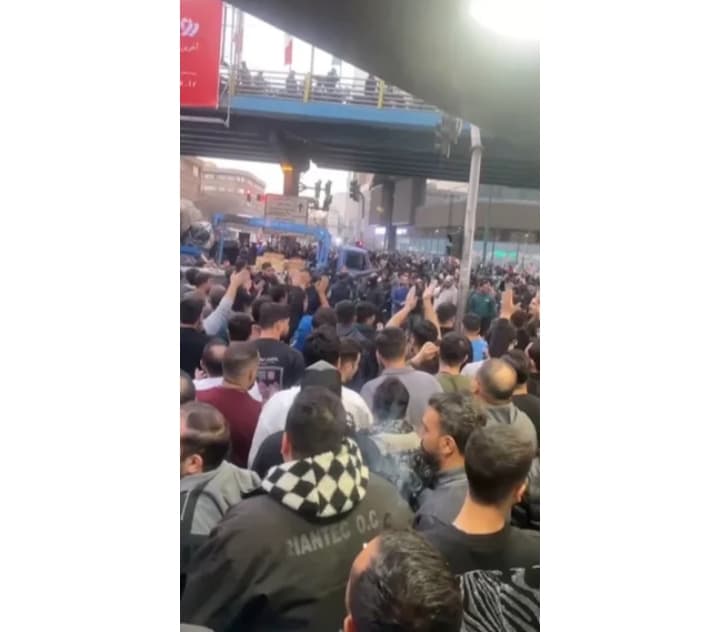
Tehran's vibrant bazaars turned into focal points of protest as shopkeepers expressed their frustration over the collapsing rial, which has fallen to unprecedented lows against major currencies. The Iranian government’s inability to stabilize the economy and curb spiraling inflation has left many merchants feeling hopeless.
The protests saw shopkeepers closing their stores and gathering in large numbers to voice their grievances. Many carried placards demanding governmental intervention to address the economic turmoil. “We can no longer afford to buy goods,” one protester stated. “If this continues, we will face total ruin.”
The rial's decline has been attributed to a combination of factors, including international sanctions, poor economic management, and rising global prices. As the currency's value diminishes, prices for everyday goods have skyrocketed, making basic necessities increasingly inaccessible for average Iranians.
Economic experts warn that without immediate action from the government, the situation could escalate further, leading to more severe social unrest. In response, officials have promised to implement measures to stabilize the currency, but skepticism remains high among the public, who have seen little progress in recent months.
Shopkeepers remain resolute, emphasizing that their struggle is not just about profit but also about survival. The protests serve as a stark reminder of the economic challenges facing everyday Iranians and the urgent need for a comprehensive economic plan to restore stability and trust in the national currency.
Published by Banx Network. This article is part of the Banx decentralized media programme, powered by the BXE token on the XRP Ledger.