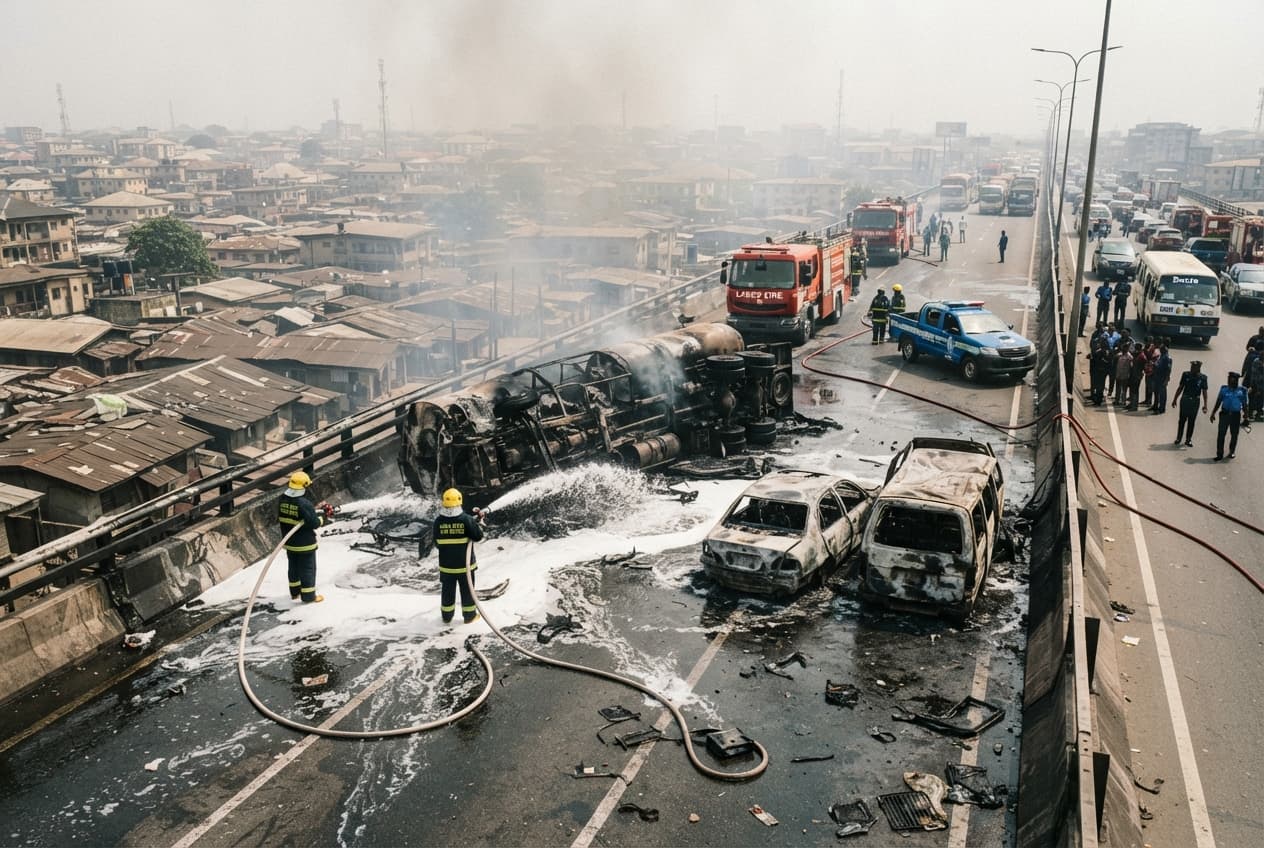
When disaster strikes, every second carries immense value. Earthquakes, collapsed buildings, industrial accidents, and other emergencies often create environments too dangerous for immediate human entry. For decades, engineers have sought ways to extend the reach of rescue teams through technology. Today, advances in artificial intelligence and robotics are bringing that vision closer to reality, offering new tools designed to support—not replace—the expertise and judgment of emergency responders.
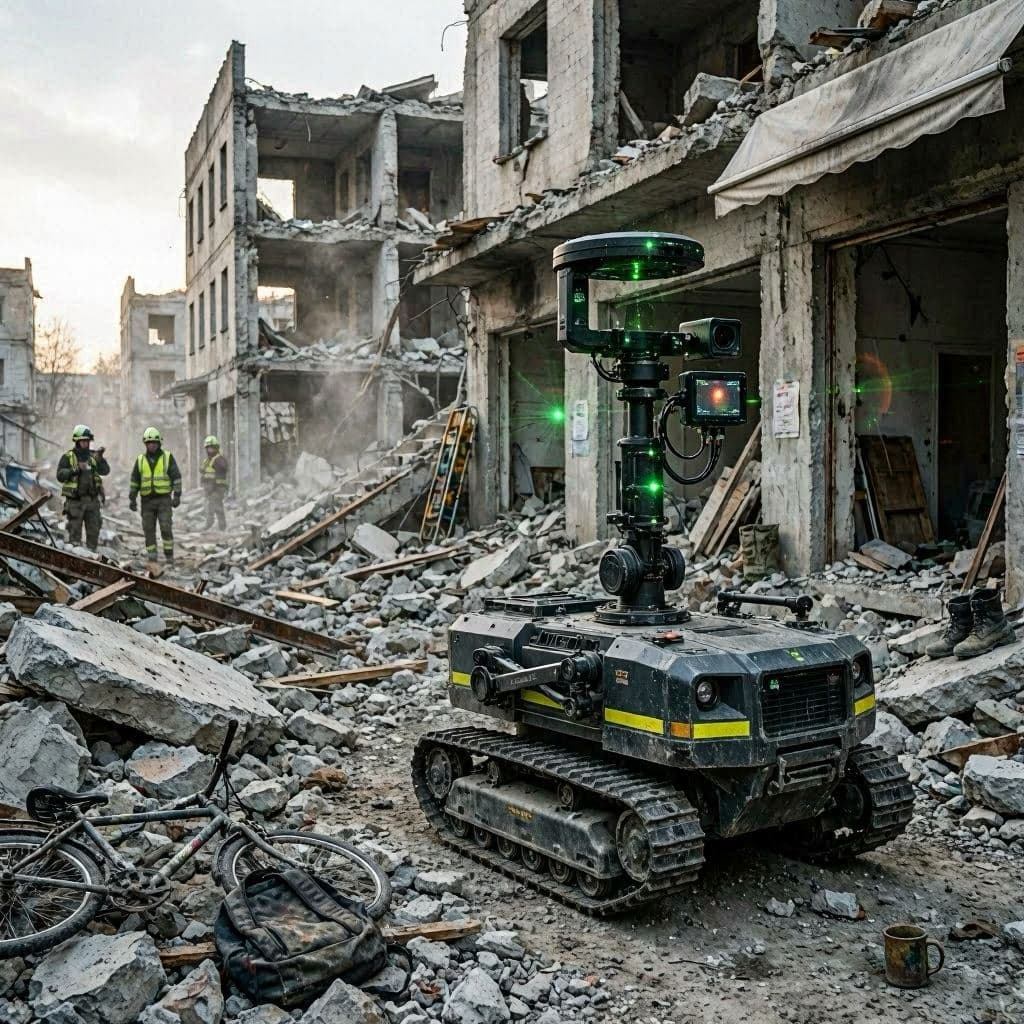
A team of engineers has developed an AI-powered robot capable of performing complex disaster rescue tasks in hazardous environments. The robotic system combines advanced sensors, autonomous navigation, and artificial intelligence to identify obstacles, search for survivors, and assist rescue personnel during emergency operations. Researchers say the technology is intended to improve safety and efficiency when human access is limited by unstable structures or dangerous conditions.
According to the development team, the robot is equipped with cameras, thermal imaging systems, LiDAR sensors, and environmental monitoring instruments that allow it to build detailed maps of damaged areas. Artificial intelligence algorithms process this information in real time, enabling the robot to navigate debris, recognize potential hazards, and locate objects or individuals that may require immediate attention. Human operators can supervise missions remotely while retaining overall control of operational decisions.
One of the system's key strengths is its ability to function in environments where visibility is poor or communication is difficult. Smoke, dust, darkness, and unstable terrain often present significant challenges during disaster response. By combining multiple sensor technologies, the robot can continue operating even when traditional visual observation becomes unreliable. Researchers believe this capability could prove valuable during earthquakes, landslides, industrial incidents, and urban search-and-rescue missions.
Artificial intelligence plays an important role in helping the robot interpret complex surroundings. Machine learning models analyze sensor data to distinguish between structural debris, equipment, and potential human movement while continuously updating navigation routes. Engineers emphasize that the system is designed to assist emergency responders rather than replace them, allowing rescue teams to gather information before entering hazardous locations.
Emergency management specialists note that robotics has become an increasingly important area of disaster preparedness research. Robots can reduce risks to first responders by conducting initial inspections, delivering essential supplies, and monitoring environmental conditions before rescue operations begin. Continued advances in battery technology, mobility systems, and communications are expected to further improve the usefulness of robotic platforms in future emergencies.
The research team plans to conduct additional field testing in collaboration with emergency response organizations. Simulated disaster exercises will evaluate the robot's performance under realistic operational conditions while helping engineers refine software, mechanical systems, and user interfaces. Feedback from firefighters, medical personnel, and search-and-rescue professionals will play a central role in guiding future improvements before broader deployment.
The development of this AI-powered rescue robot highlights how technological innovation can strengthen humanitarian response without diminishing the importance of human expertise. As artificial intelligence continues to mature, collaborative systems that combine advanced automation with experienced emergency personnel may become valuable tools for protecting lives during future disasters. Continued research and responsible deployment will remain essential to ensuring these technologies serve communities safely and effectively.
AI Image Disclaimer: This illustration was generated using artificial intelligence to depict a disaster response concept and does not represent an actual photograph of the robotic system described.
Sources (verification check): Reuters, IEEE Spectrum, MIT News, Nature Machine Intelligence, Science Robotics
Published by Banx Network. This article is part of the Banx decentralized media programme, powered by the BXE token on the XRP Ledger.