

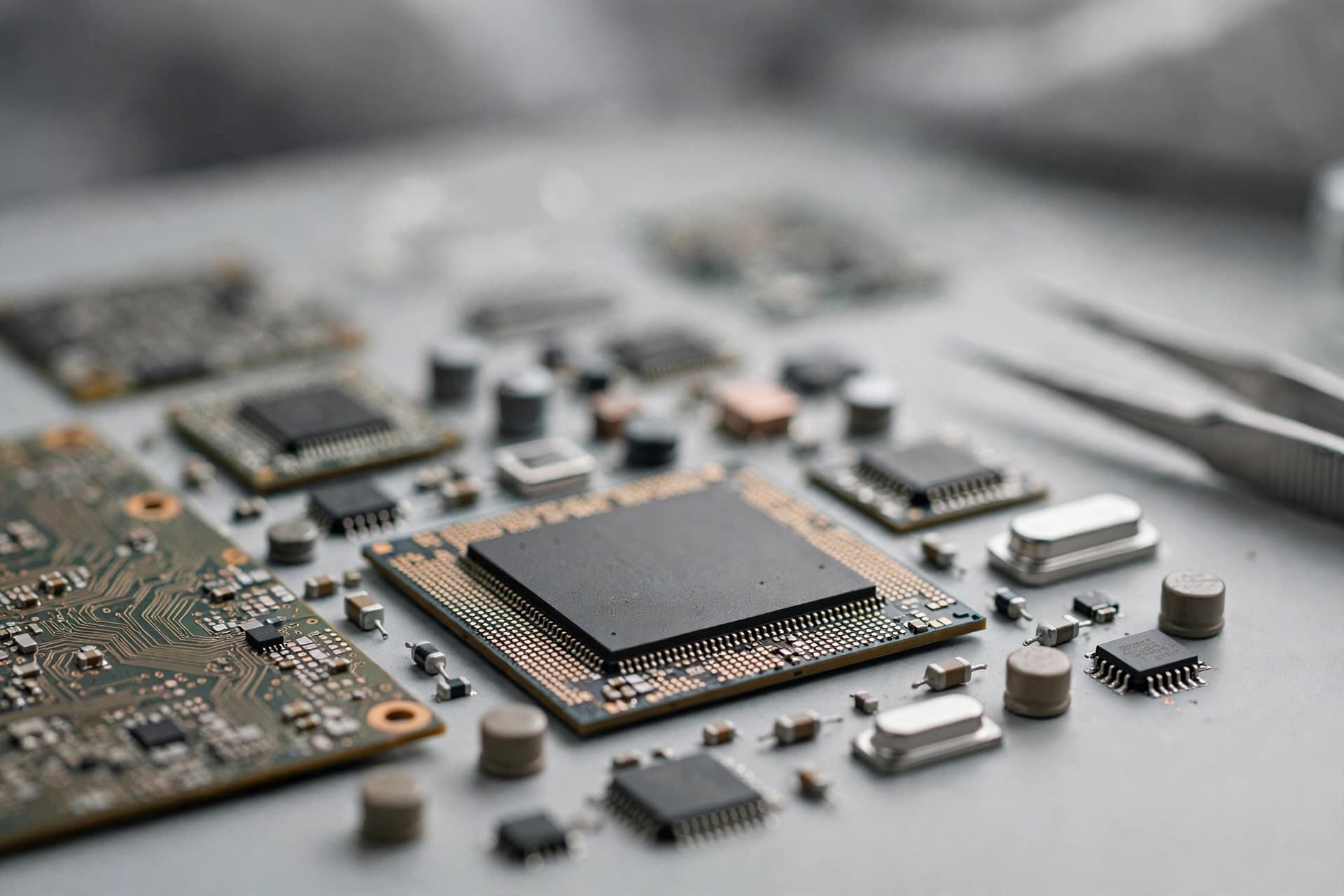
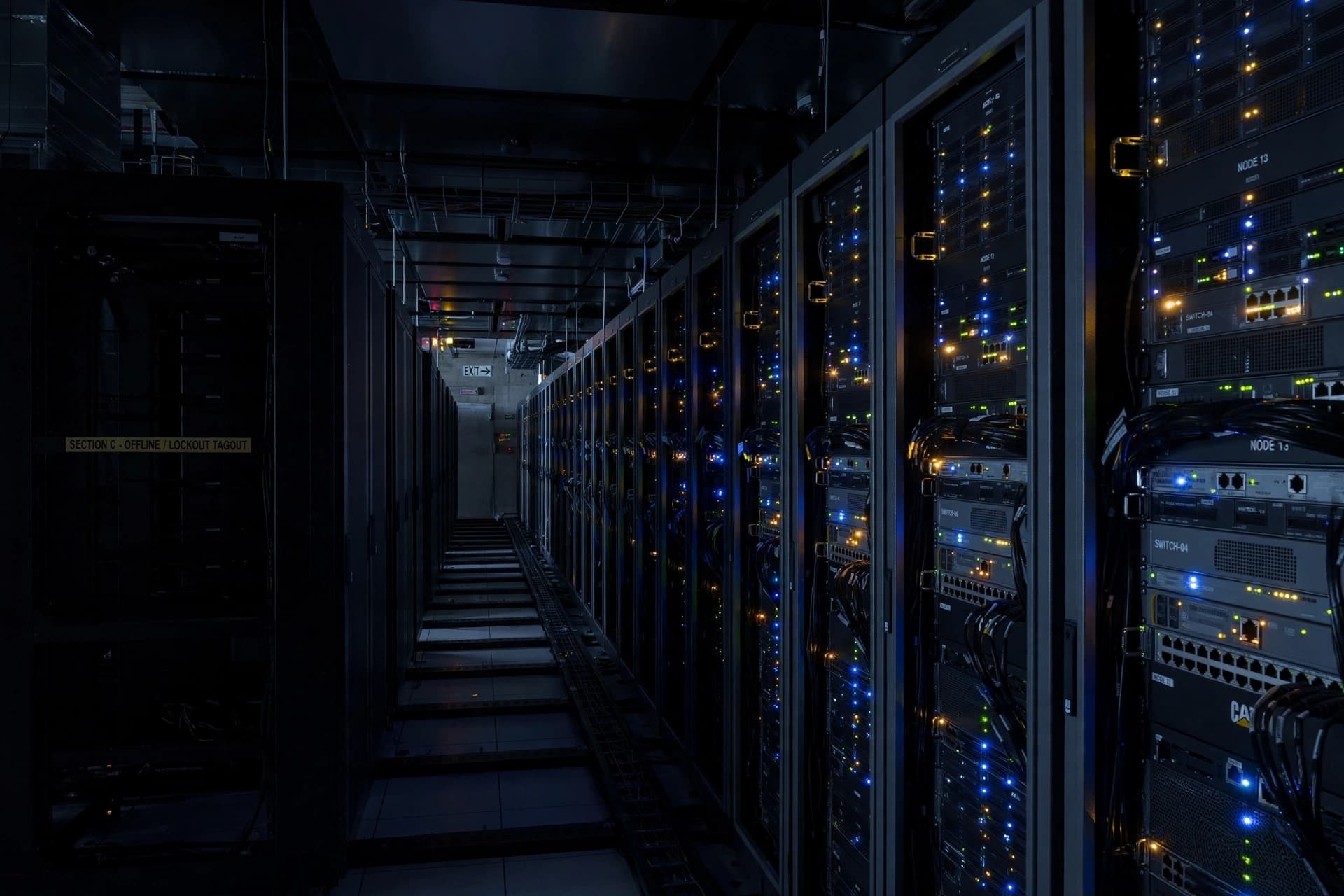
The rapid growth of technology and artificial intelligence is increasing demand for the materials needed to build advanced systems. From data centers to electronic devices, modern innovation depends on a complex network of resources and global supply chains. Critical minerals have become especially important because they support industries such as computing, renewable energy, telecommunications, and advanced manufacturing. Artificial intelligence development requires significant infrastructure, including powerful processors, energy systems, and specialized hardware. As companies compete to expand AI capabilities, demand for reliable resources continues increasing. Governments and businesses are focusing on securing supply chains to avoid disruptions. Recent global events have shown how shortages of important materials can affect industries and increase production costs. The race for technological leadership has encouraged investment in mining, recycling, and alternative materials. Some researchers are also exploring ways to reduce dependence on limited resources through innovation. Technology growth creates both opportunities and challenges. While AI and digital systems can improve efficiency and create new industries, they also require careful planning around energy use and resource management. The future technology economy will depend not only on software development but also on access to the physical materials needed to support innovation. As competition increases, countries with strong resource strategies may gain advantages in the global technology landscape.
Published by Banx Network. This article is part of the Banx decentralized media programme, powered by the BXE token on the XRP Ledger.

.jpg&w=3840&q=75 "The Artemis Revolution: How NASA Plans to Build Humanity's Future on the Moon")