Key Highlights
- Growing Interest:Tech companies are exploring data center opportunities in Argentina's Patagonia region.
- Renewable Energy:The area's cool climate and renewable energy potential are key attractions for investors.
- Infrastructure Challenges:Significant investment is needed to develop the necessary infrastructure for large-scale data centers.
At the southern edge of South America, Patagonia is known for its vast landscapes, strong winds, and remote settlements. These characteristics are increasingly attracting technology companies looking to establish large data centers. As the demand for digital services continues to rise, Patagonia's unique environment is being considered for infrastructure that supports global computing needs.
A report by Reuters on September 7, 2026, highlights the growing interest among tech firms and investors in Argentina's Patagonia region for potential data center projects. The appeal lies in the region's relatively cool temperatures, available land, and renewable energy resources, particularly from the Vaca Muerta shale gas formation. While many proposals are still in the early stages, the potential for development is significant.
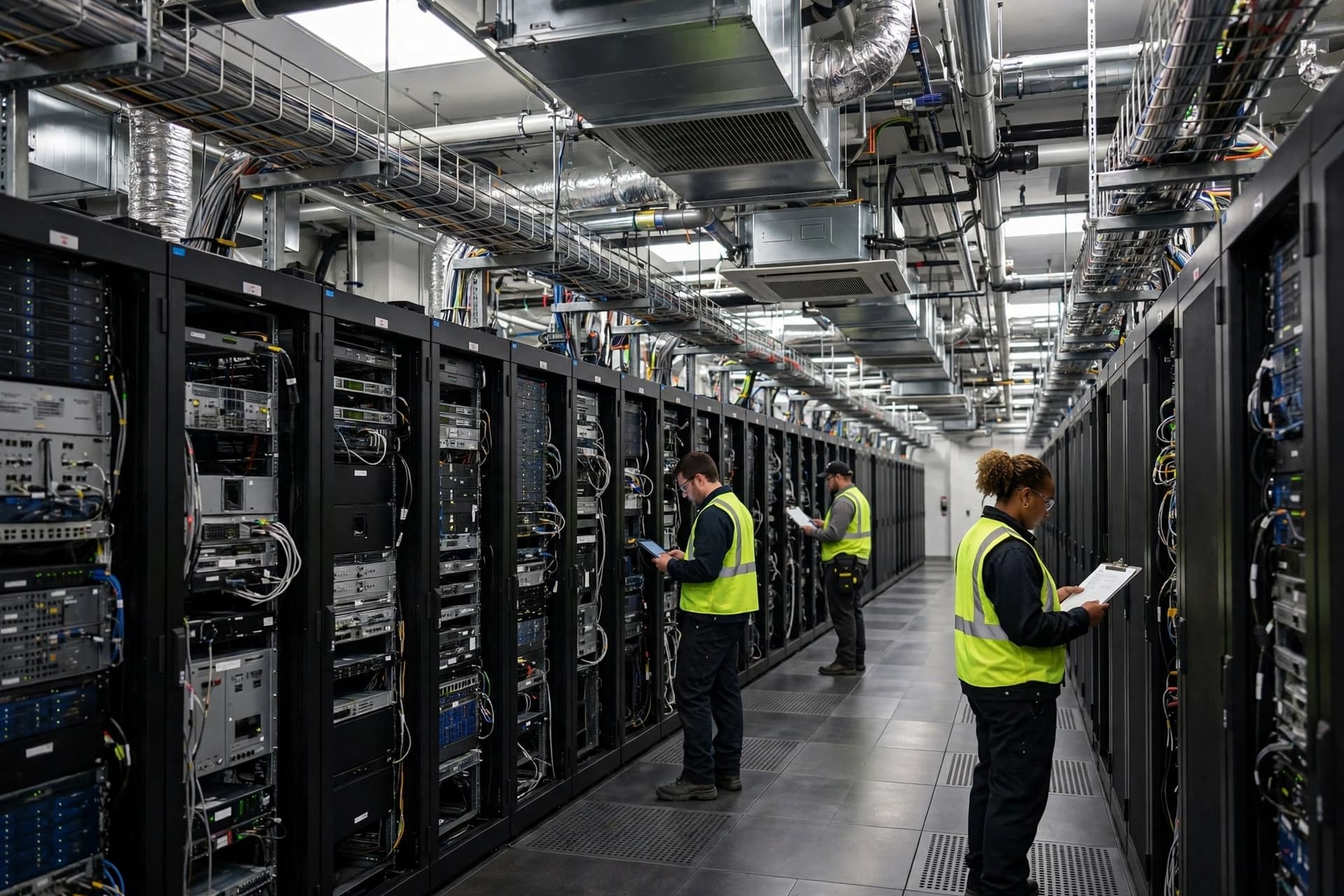
Data centers are critical for housing the servers and networking equipment that power cloud services, online platforms, and artificial intelligence systems. As the demand for computing capacity grows, operators are seeking locations that can provide reliable electricity, efficient cooling, and robust communications networks. The choice of location can significantly impact both operational costs and the speed of project development.
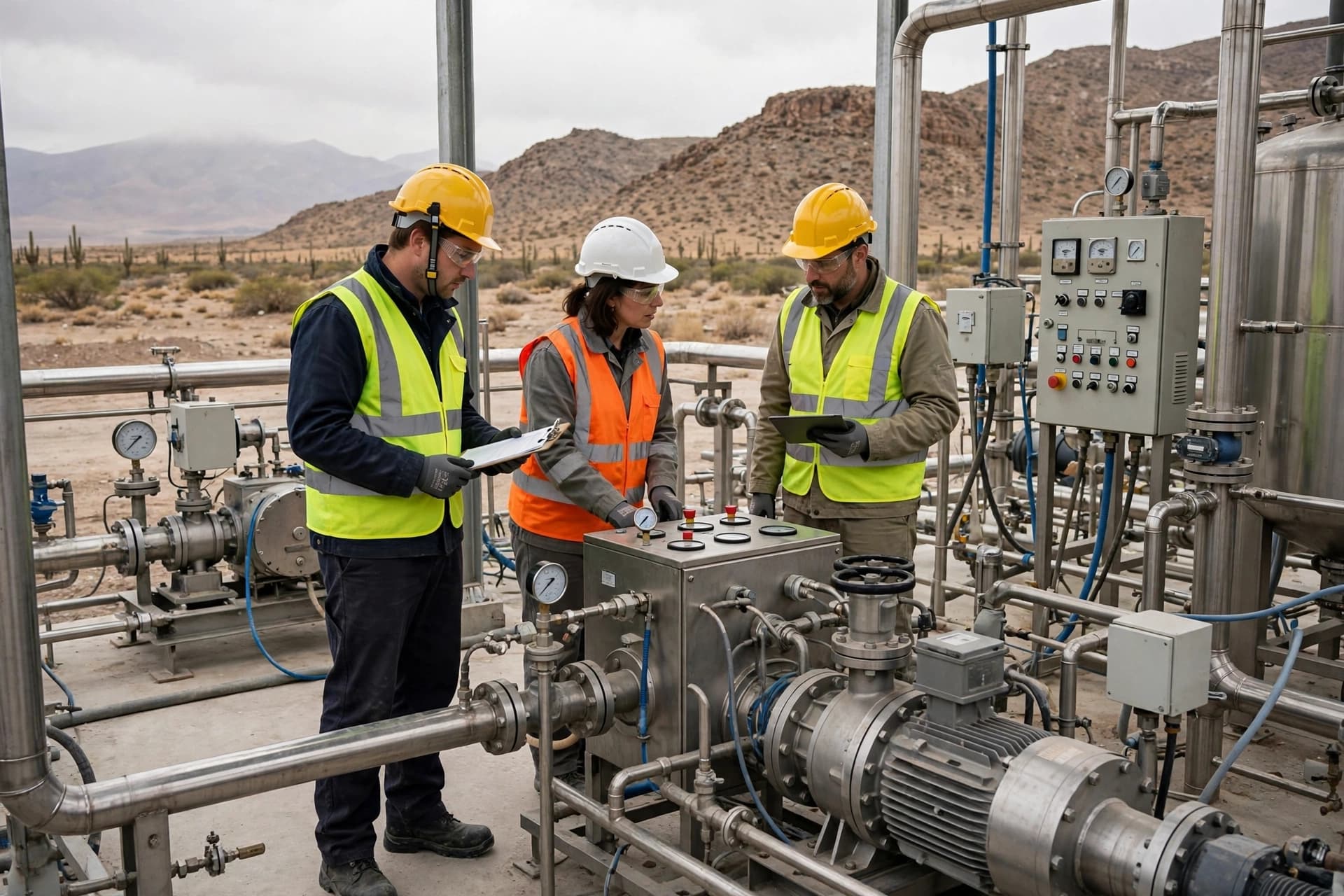
Patagonia presents several advantages for data center construction. The cooler outdoor temperatures can help reduce energy consumption for cooling equipment, depending on the facility's design. Additionally, the region boasts extensive land availability and potential access to wind and solar energy generation. In Neuquén province, developers are exploring options to situate facilities near existing power infrastructure and the Vaca Muerta formation, which could provide a reliable energy source.
One notable proposal involves Pampa Energía, a major Argentine power producer, which is considering a data center project of up to 500 megawatts near its Loma de la Lata power plant in Neuquén. The company is in discussions with potential partners, and the project would necessitate significant investment in electrical infrastructure. This ambitious plan underscores both the potential scale of opportunities in Patagonia and the practical challenges that must be addressed.
Other proposals are being discussed in Neuquén and Chubut provinces, with some developers aiming to integrate data center facilities with renewable energy generation. While some projects are ambitious, targeting hundreds of megawatts, others are more long-term, contingent on securing financing and infrastructure. However, these announcements should be viewed with caution, as they do not guarantee immediate construction or operational capacity.
Argentina's broader investment climate has also played a role in attracting interest in the region. Economic reforms and incentives for large investments have prompted companies across various sectors to explore opportunities in the country. Nevertheless, the factors that draw investors during the planning phase do not ensure that projects will receive funding, necessary approvals, or become commercially viable.
Infrastructure remains a significant hurdle for data center development. Large facilities require stable electricity supplies, substantial transmission capacity, reliable fiber-optic connectivity, and effective cooling and backup systems. The financial outlay for building these facilities can be considerable, often necessitating extensive investment before any servers are operational. Developers must also consider the impact of large energy demands on local grids and the implications for other electricity consumers.
Environmental and community considerations are crucial as well. Data centers can consume large amounts of electricity, and certain cooling systems may require significant water resources. The environmental impact varies based on facility design, energy sources, cooling technology, and local conditions. Additionally, noise, land use, and the distribution of economic benefits are important factors for nearby communities, including Indigenous groups with historical ties to the region.
The future of data center development in Patagonia hinges on whether proposed projects can secure investors, power agreements, communications infrastructure, and regulatory approvals. While the region's natural advantages may attract interest, they cannot substitute for the detailed planning necessary for large industrial facilities. For now, Patagonia is emerging as a key player in the global conversation about the future of digital infrastructure.
Published by Banx Network. This article is part of the Banx decentralized media programme, powered by the BXE token on the XRP Ledger.