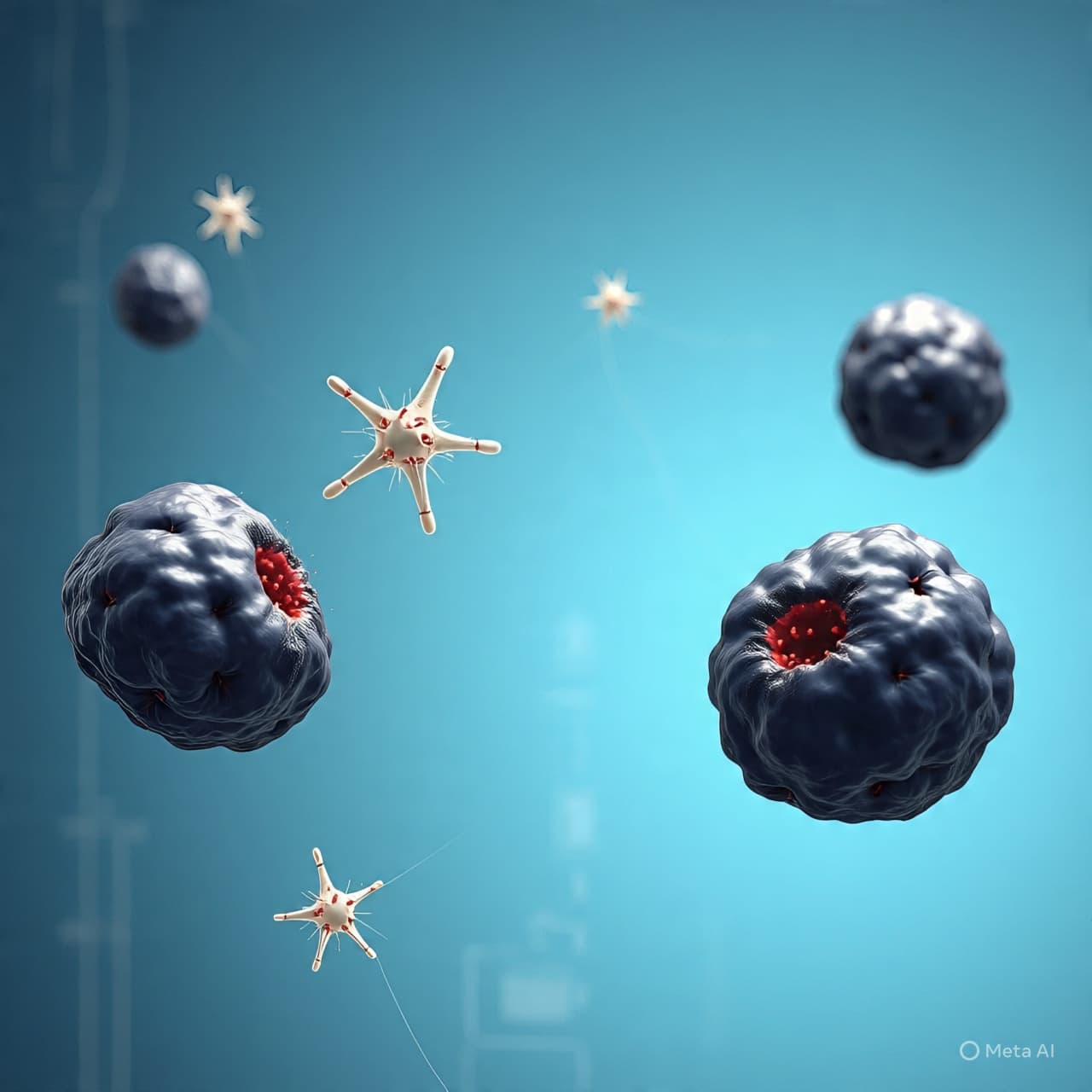
In cancer treatment, power has often come at a cost. Therapies strong enough to destroy malignant cells frequently exact a toll on the body itself, triggering immune storms, neurological damage, or prolonged recovery. For years, CAR-T therapy has stood at this uneasy intersection — astonishingly effective, yet shadowed by dangerous side effects. A new study suggests that balance may finally be shifting.
Researchers report the development of an innovative CAR-T approach that eliminates cancer cells while avoiding the severe immune reactions that have limited wider use of the therapy. Rather than overwhelming the immune system, this redesigned treatment appears to act with restraint, targeting tumors precisely while leaving surrounding tissues largely unharmed.
Traditional CAR-T therapy works by genetically reprogramming a patient’s T cells to recognize and attack cancer. Once unleashed, those cells can multiply rapidly, releasing inflammatory signals that sometimes spiral into life-threatening complications. The new strategy alters how these engineered cells activate and communicate, dampening the cascade that leads to toxicity without weakening the attack on cancer itself.
In laboratory models and early clinical testing, the modified CAR-T cells destroyed malignant targets efficiently while showing little evidence of the cytokine surges typically responsible for severe side effects. Neurological complications and systemic inflammation — long considered an almost unavoidable risk — were notably absent or greatly reduced.
The shift is not simply technical, but philosophical. Instead of amplifying immune aggression, the therapy relies on control. Built-in regulatory mechanisms allow the engineered cells to respond proportionally, adjusting their activity to the presence of cancer rather than remaining locked in an all-or-nothing state.
While the results are early, the implications are significant. Safer CAR-T therapies could expand treatment beyond rare blood cancers to solid tumors and earlier disease stages. They could also make the therapy accessible to patients previously considered too vulnerable to tolerate its risks.
There is caution, as always. Larger trials will be needed to confirm durability, safety, and long-term outcomes. But the direction is clear. Cancer treatment may be moving away from brute force and toward precision not only in targeting disease, but in respecting the limits of the human body.
If these findings hold, CAR-T therapy may no longer be defined by the damage it risks, but by the balance it achieves — a quiet recalibration of power that could change how immune medicine is imagined.
AI Image Disclaimer Visuals are AI-generated and intended as conceptual representations.
Sources Nature Medicine Science Translational Medicine National Cancer Institute
Published by Banx Network. This article is part of the Banx decentralized media programme, powered by the BXE token on the XRP Ledger.