
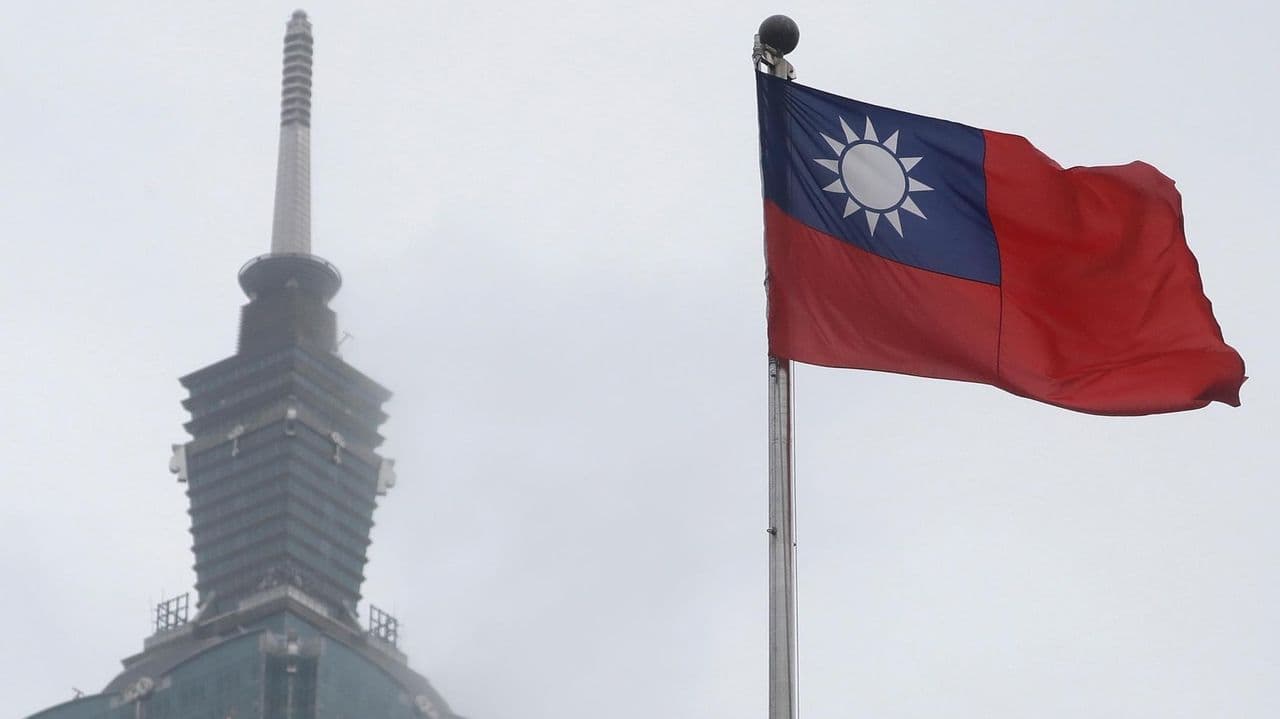
In a startling development, Taiwanese journalists have been accused of offering bribes to military officers in return for confidential information about China. This comes amid heightened tension between Taiwan and its neighbor, who has long claimed ownership of the island. According to authorities, reporters allegedly offered money to multiple military officials to obtain secret documents and intelligence, posing a significant threat not only to Taiwan's national security, but also raising broader questions about journalistic ethics in a politically sensitive environment. The Taiwanese government condemned these actions, emphasizing its zero-tolerance policy towards espionage. "We are taking these allegations seriously," said the spokesperson for the Ministry of Defence. "Protecting national security is our top priority, and we will bring those responsible to justice." Espionage has become an increasing concern in Taiwan as relations with its neighbor continue to worsen. The incident sparked a national discussion about journalists' responsibilities and ethical implications in sensitive areas, while media organizations and advocacy groups are closely monitoring developments. Press freedom advocates are concerned about potential consequences for journalists in Taiwan, as well as the chilling effects such allegations may have on investigative journalism in the region, underscoring the delicate balance between press freedom and national security.
Published by Banx Network. This article is part of the Banx decentralized media programme, powered by the BXE token on the XRP Ledger.


