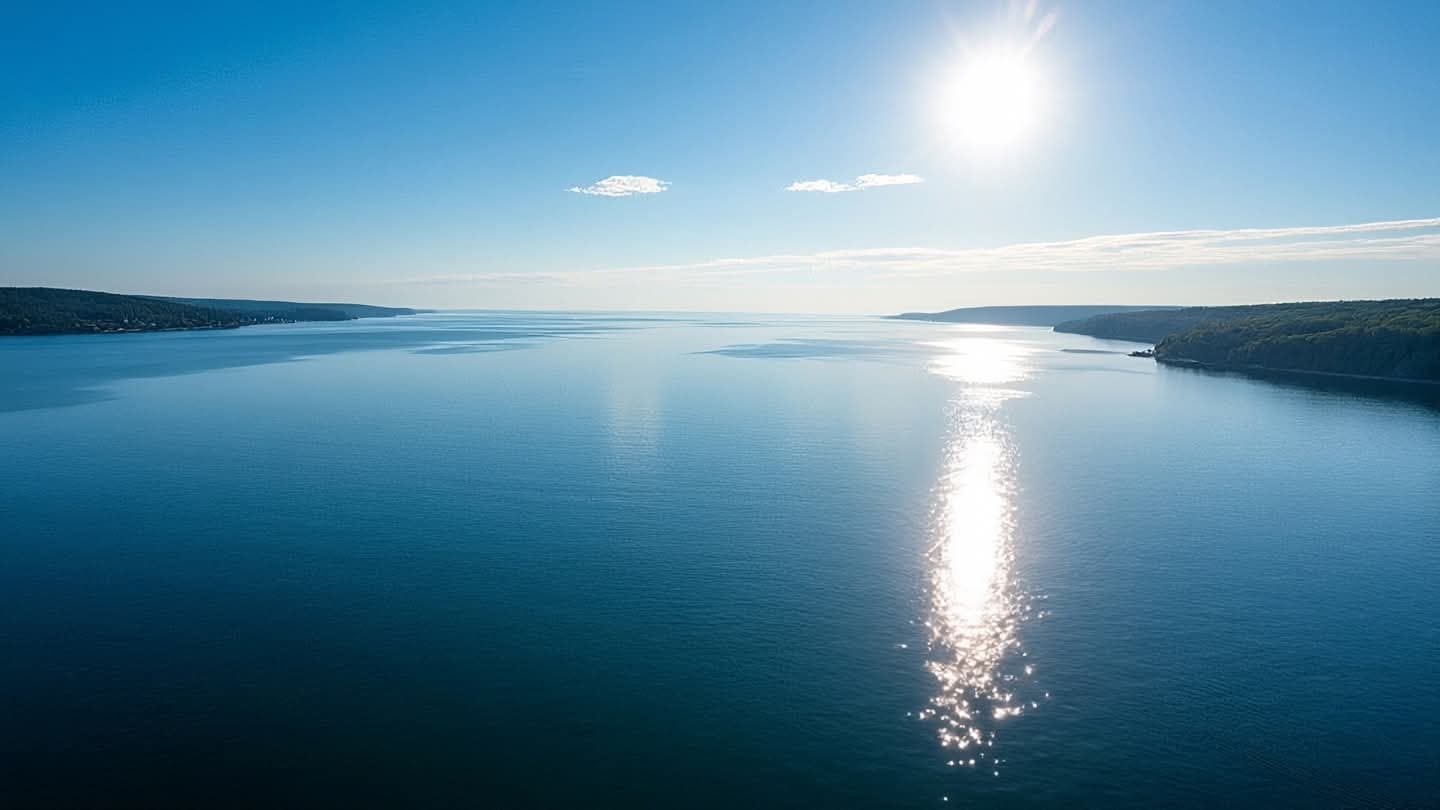
Geography is often seen as immutable, a fixed map upon which the drama of human history plays out. Yet, in the realm of political rhetoric, even the most enduring natural features can become subjects of debate. Amidst escalating trade tensions with Canada, former President Donald Trump floated the idea of renaming Lake Ontario to "Lake America." The suggestion, whether serious or strategic provocation, highlights the intense emotions surrounding international commerce and national identity. It is a moment where the boundaries of diplomacy are tested by the boldness of language.
The comment emerged during a period of heightened economic friction between the United States and its northern neighbor. With tariffs looming and negotiations stalling, Trump’s proposal to rename one of the Great Lakes serves as a symbolic assertion of American dominance. Lake Ontario, shared by the U.S. and Canada, has long been a symbol of bilateral cooperation, making the suggestion to rename it a striking departure from traditional diplomatic norms.
Critics have dismissed the idea as impractical and diplomatically insensitive, noting that geographic names are governed by international agreements and historical precedent. However, supporters view it as a clever negotiating tactic, a way to signal strength and resolve in the face of what the administration perceives as unfair trade practices. For them, the name change represents a reclaiming of American interests in a relationship that has become increasingly contentious.
Canadian officials have responded with a mix of amusement and concern, emphasizing the deep cultural and economic ties that bind the two nations. They argue that such rhetoric undermines the spirit of partnership that has defined North American relations for decades. The prospect of renaming a shared natural resource is seen not just as a logistical impossibility but as a breach of mutual respect.
The Great Lakes themselves are a vital ecological and economic resource, supporting millions of people on both sides of the border. Any attempt to alter their status or identity would have far-reaching implications, extending beyond politics into environmental management and regional stability. Experts warn that such moves could destabilize the cooperative frameworks that have successfully protected these waters for generations.
Public reaction has been polarized, with some Americans embracing the nationalist sentiment and others viewing it as an unnecessary escalation. The debate reflects broader divisions in how the country views its role in the world, balancing isolationist impulses with global interdependence. It is a conversation that touches on pride, history, and the future of international relations.
As the trade war continues, the focus remains on finding a resolution that benefits both economies. While the renaming proposal may fade from headlines, the underlying issues of tariffs and market access remain unresolved. The dialogue between Washington and Ottawa will require patience and pragmatism to navigate these choppy waters.
Donald Trump’s suggestion to rename Lake Ontario underscores the high stakes of the current trade dispute. While the idea may be more rhetorical than real, it serves as a reminder of how deeply intertwined economics and identity are in modern geopolitics.
AI Image Disclaimer: The visual materials associated with this article are AI-generated and serve as illustrative aids rather than factual documentation.
Sources: Reuters CBC News Al Jazeera The Detroit News
Published by Banx Network. This article is part of the Banx decentralized media programme, powered by the BXE token on the XRP Ledger.