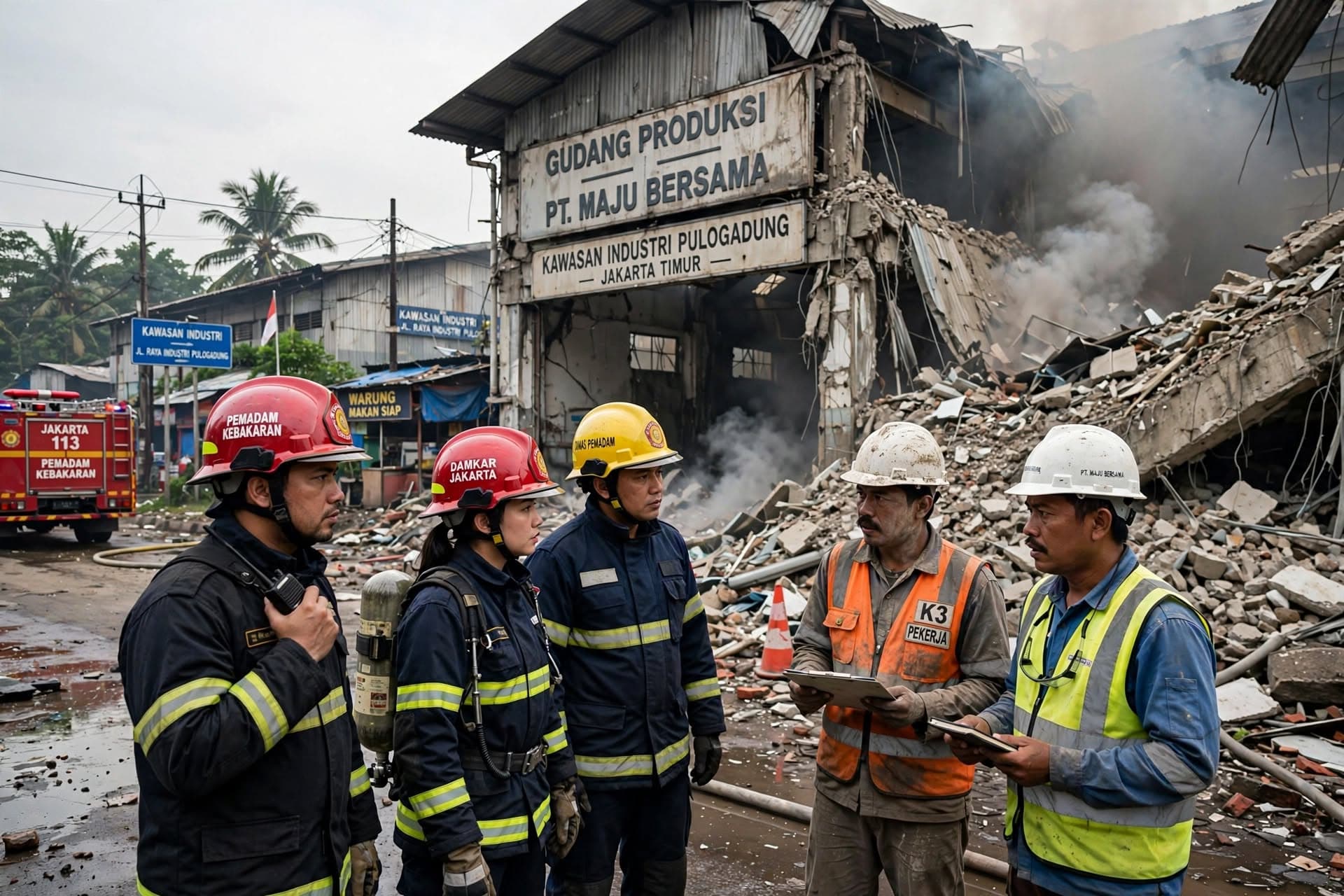
There are wounds that heal with time and bandages, and there are wounds that require something more—a community of care, a reimagining of what recovery can mean, and the willingness to treat survivors not as patients but as people with futures to rebuild. In the aftermath of the 2017 Manchester Arena bombing, which killed 22 people and injured hundreds, a pioneering rehabilitation programme emerged that has now been shown to offer remarkable hope.
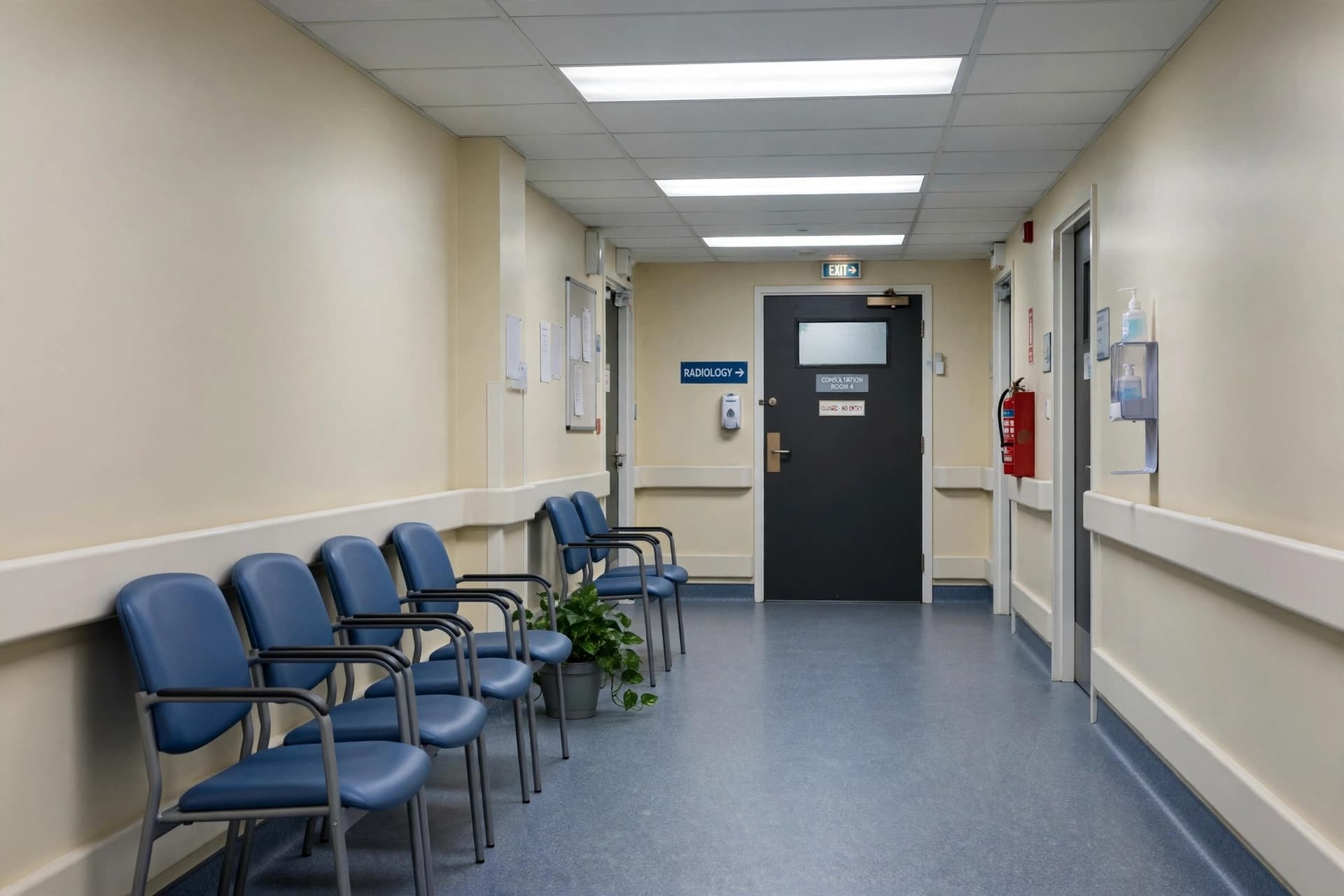
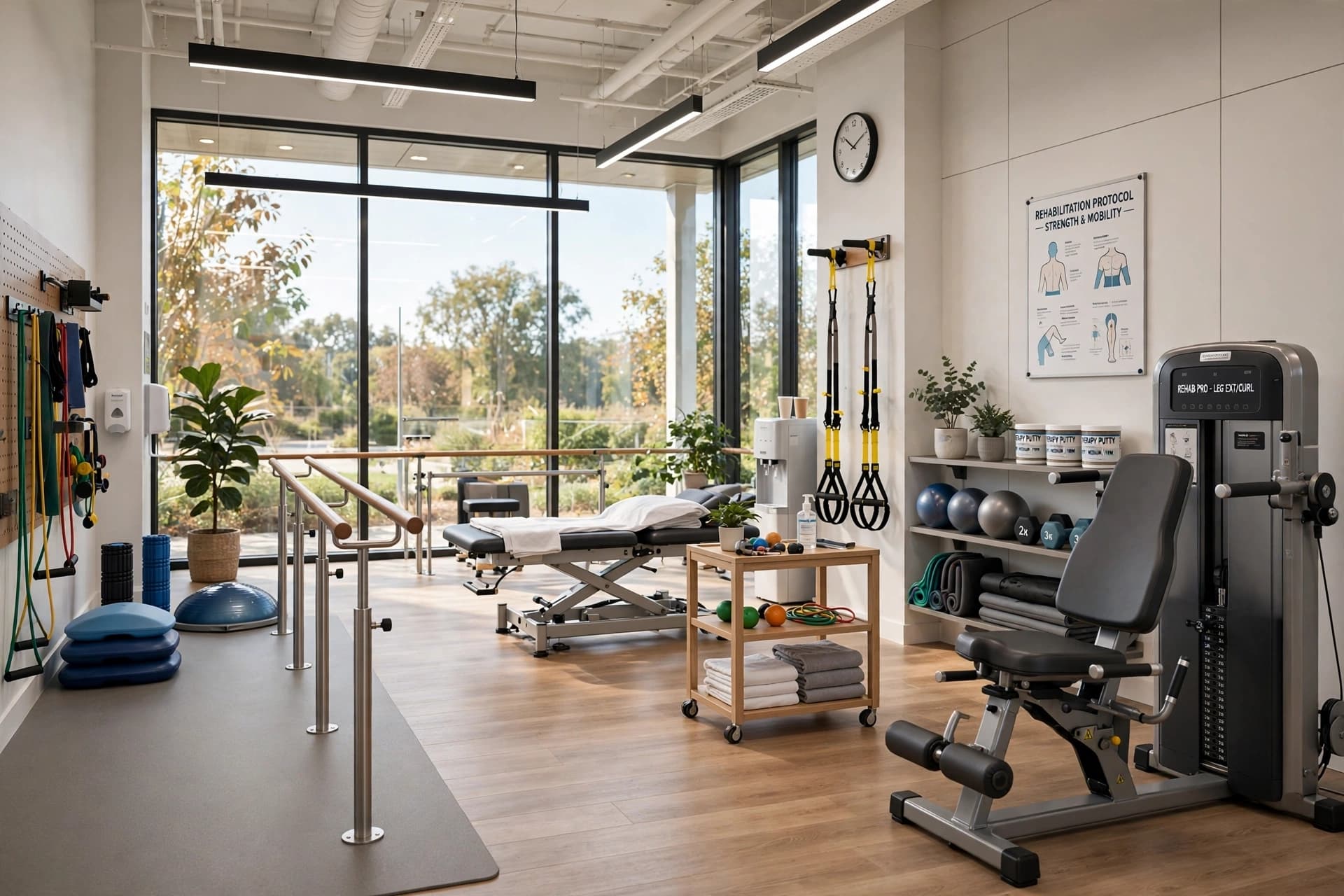
The Enhanced Rehabilitation Programme was established a year after the attack, a collaboration between the NHS, universities, and the Manchester Institute of Health and Performance—a facility typically used by elite athletes. The programme brought together physiotherapists, psychologists, occupational therapists, surgeons, and sports scientists to address the complex physical and psychological needs of survivors still struggling more than a year after the event .
The results, published in the journal Physiotherapy, describe a programme that achieved substantial improvements in physical recovery, confidence, fitness, mental wellbeing, and overall quality of life. Survivors described achieving goals they once thought impossible—walking without aids, reducing pain medication, returning to work, pursuing further education, and rebuilding independence .
"What was clear from both patients and clinicians is that recovery after major trauma involves much more than healing physical wounds," said Professor Jason Wong, Consultant Trauma Surgeon at Manchester University NHS Foundation Trust. "Psychological wellbeing, confidence, identity and social participation are all fundamental parts of rebuilding lives after injury" .
The programme's setting at a sports performance institute proved transformative. Patients described shifting their mindset from simply coping with injury to "training like an athlete." One participant spoke of the value of time and attention: "It's not just the facility, it's the time which is a major factor. You might get an hour allocated where it's all very rushed. That extra time devoted to you is invaluable" .
But the study also identified a concern that resonates beyond Manchester. Both patients and clinicians described a feeling of stepping off a rehabilitation "cliff edge" once the programme concluded, with anxieties about maintaining progress through existing NHS services . The programme has already shared its learning with rehabilitation institutes in Ukraine, suggesting its model could inform trauma care far beyond its original context .
For the survivors of the Arena attack, the programme was not merely medical treatment. It was, as one participant put it, "a lifesaver." And for a world that continues to experience mass trauma, it offers a template for what recovery can look like when care is holistic, personalized, and sustained.
AI Image Disclaimer: Visual content accompanying this article is generated by artificial intelligence and does not depict actual patients or clinical settings.
Sources: Manchester University NHS Foundation Trust, Physiotherapy (journal), University of Manchester, BBC News, Greater Manchester Combined Authority
Published by Banx Network. This article is part of the Banx decentralized media programme, powered by the BXE token on the XRP Ledger.