Key Highlights
- Supreme Court Hearing:The Supreme Court of Canada recently heard arguments regarding a federal ban on approximately 1,500 firearm models.
- Legal Challenge:The ban, enacted in 2020 after a mass shooting in Nova Scotia, faces scrutiny over its constitutionality and procedural legitimacy.
- Ongoing Impact:Firearm owners have been unable to use or transfer banned firearms since the ban's implementation, leading to frustration and uncertainty.
The Supreme Court of Canada is currently deliberating a significant legal challenge to a federal firearm ban that has been in place since 2020. This ban, which prohibits around 1,500 models of firearms, including the controversial AR-15, was instituted in response to a tragic mass shooting in Nova Scotia that claimed 22 lives. The court recently conducted two days of hearings, where both the government and challengers presented their arguments regarding the legality and necessity of the ban.
The federal government defends the ban as a crucial public safety measure, asserting that military-style firearms pose an unacceptable risk in civilian hands. They argue that the ban is justified under the precautionary principle, which mandates government action to protect citizens from potential harm. Conversely, opponents of the ban argue that it represents an overreach of government authority, claiming that it deprives lawful firearm owners of their property rights without due process. They contend that such significant regulatory changes should only be enacted through legislative action, not executive orders.
The case has drawn considerable attention from both gun control advocates and firearm rights groups, each framing the outcome as pivotal for the future of gun legislation in Canada. The legal proceedings have been slow-moving, with the case navigating through lower courts before reaching the Supreme Court. The justices' decision will not only address the specific legal questions raised but will also set a precedent for how Canada balances public safety with individual rights in the context of firearm ownership.
As the court deliberates, the implications of the ban continue to affect firearm owners across the country. Since the ban's implementation, many individuals have found themselves unable to use or transfer their firearms, leading to a sense of uncertainty and frustration. Although a compensation program for affected owners has been announced, it has not yet been fully realized, leaving many in a state of limbo.
The arguments presented during the hearings highlighted the deep divisions surrounding this issue. Government lawyers emphasized the need for proactive measures to prevent potential violence, while challengers underscored the importance of adhering to the rule of law, arguing that the government should not have the power to prohibit property without clear legislative authority.
There is currently no set timeline for when the Supreme Court will issue its ruling. Given the complexity of the case, it is expected that the justices will take their time to carefully consider the arguments presented. When a decision is finally rendered, it will not only resolve the immediate legal questions but will likely influence the broader debate on gun control in Canada for years to come.
As the justices retreat to deliberate, the fate of the firearm ban—and the rights of those affected by it—hangs in the balance, illustrating the ongoing tension between public safety and individual rights in Canadian law.
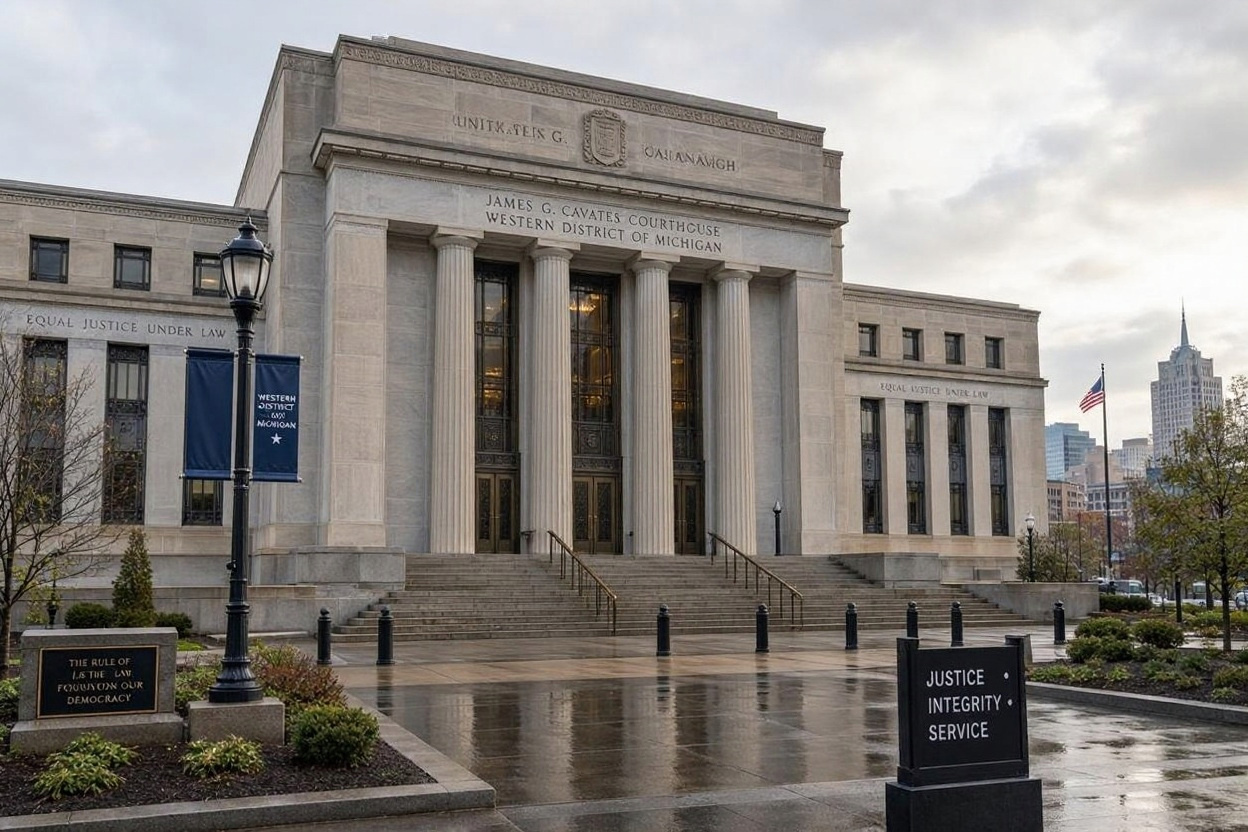
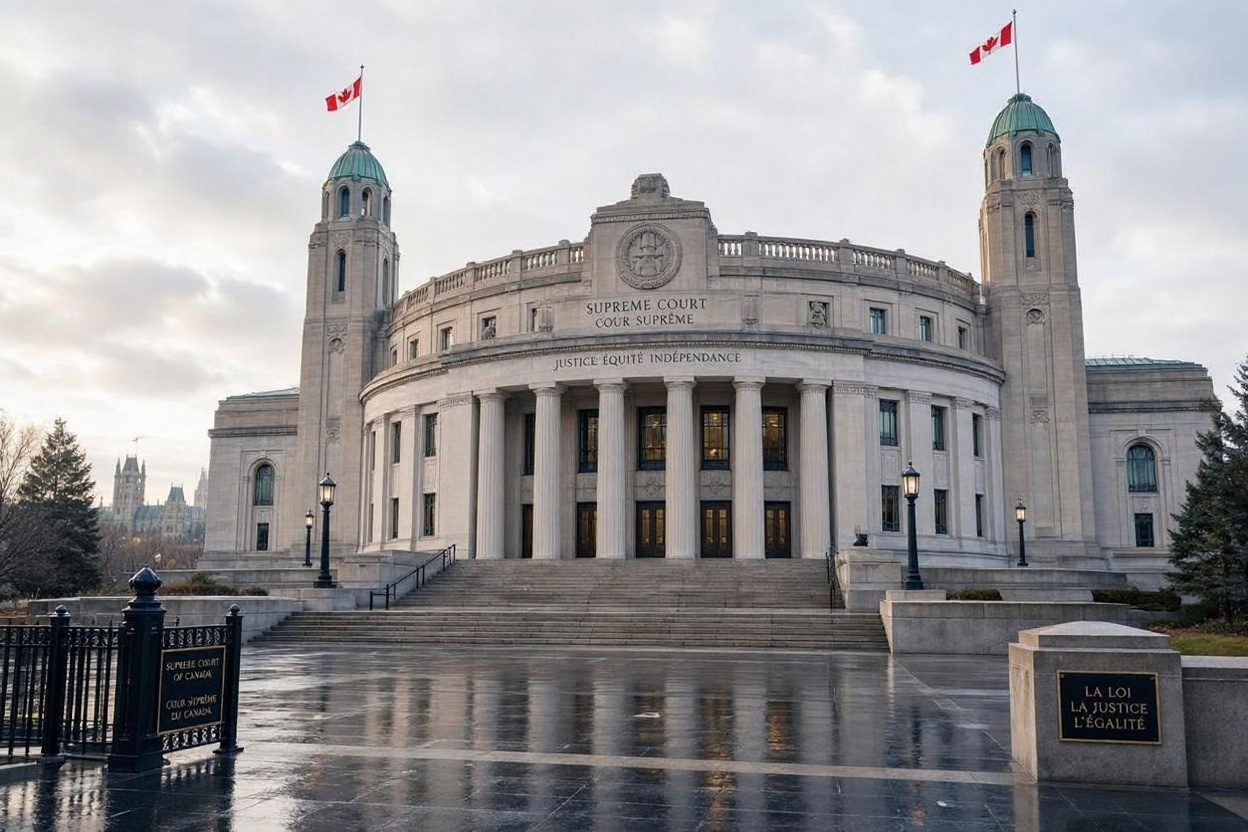
The visual elements in this article were generated using AI.
Published by Banx Network. This article is part of the Banx decentralized media programme, powered by the BXE token on the XRP Ledger.