Key Highlights
- New Knesset:Israel's parliament was sworn in with Gadi Eisenkot as a key figure.
- Eisenkot's Agenda: Plans to reverse Netanyahu's policies and introduce judicial reforms.
- Coalition Formation:Eisenkot has six weeks to form a government amid ongoing negotiations.
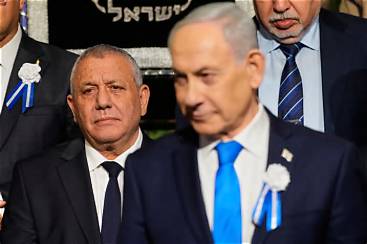
Israel's new Knesset was officially sworn in, marking a significant moment in the country's political landscape as Gadi Eisenkot, a former military chief, pledged to reverse key policies of outgoing Prime Minister Benjamin Netanyahu. This transition comes at a critical time, with Eisenkot tasked with forming a coalition government within the next six weeks. His bloc has already introduced several bills aimed at addressing pressing national issues, including a state inquiry into the Hamas attacks that occurred on October 7, 2023.
Eisenkot's agenda includes proposals to impose term limits on the prime minister, a move that could reshape the future of Israeli leadership. Additionally, he aims to undo recent changes that have weakened judicial powers, a contentious issue that has sparked widespread debate in Israeli society. The former military chief's commitment to these reforms signals a potential shift in governance and policy direction, contrasting sharply with Netanyahu's administration.
As negotiations for coalition formation unfold, Netanyahu and his Cabinet remain in office, allowing the parliament to continue legislating. This unique situation presents both challenges and opportunities for Eisenkot as he navigates the complexities of Israeli politics. The new Knesset's composition reflects a diverse array of political ideologies, making coalition-building a nuanced task.
The inquiry into Hamas' attacks is particularly significant, as it seeks to hold accountable those responsible for the violence that shook the nation. This move is expected to resonate with the public, who are eager for answers and accountability following the traumatic events of October 7. Eisenkot's leadership will be closely scrutinized as he attempts to balance the demands of his coalition partners with the expectations of the Israeli populace.
In summary, the swearing-in of the new Knesset and Eisenkot's agenda represent a pivotal moment in Israel's political history. As the former military chief embarks on this journey to reshape the country's policies, the implications of his actions will be felt across various sectors of society. The coming weeks will be crucial in determining the stability and direction of the new government, as Eisenkot works to fulfill his promises amidst a backdrop of political complexity and public scrutiny.
Published by Banx Network. This article is part of the Banx decentralized media programme, powered by the BXE token on the XRP Ledger.