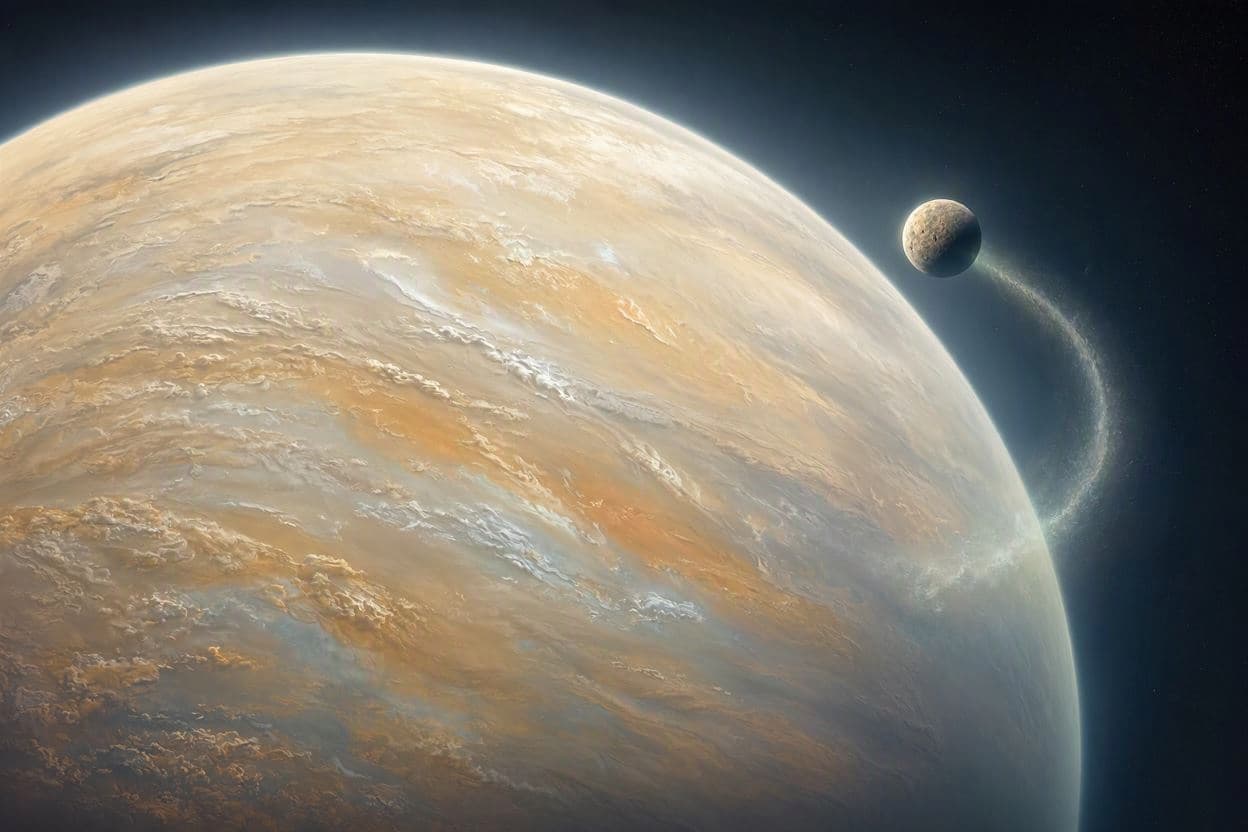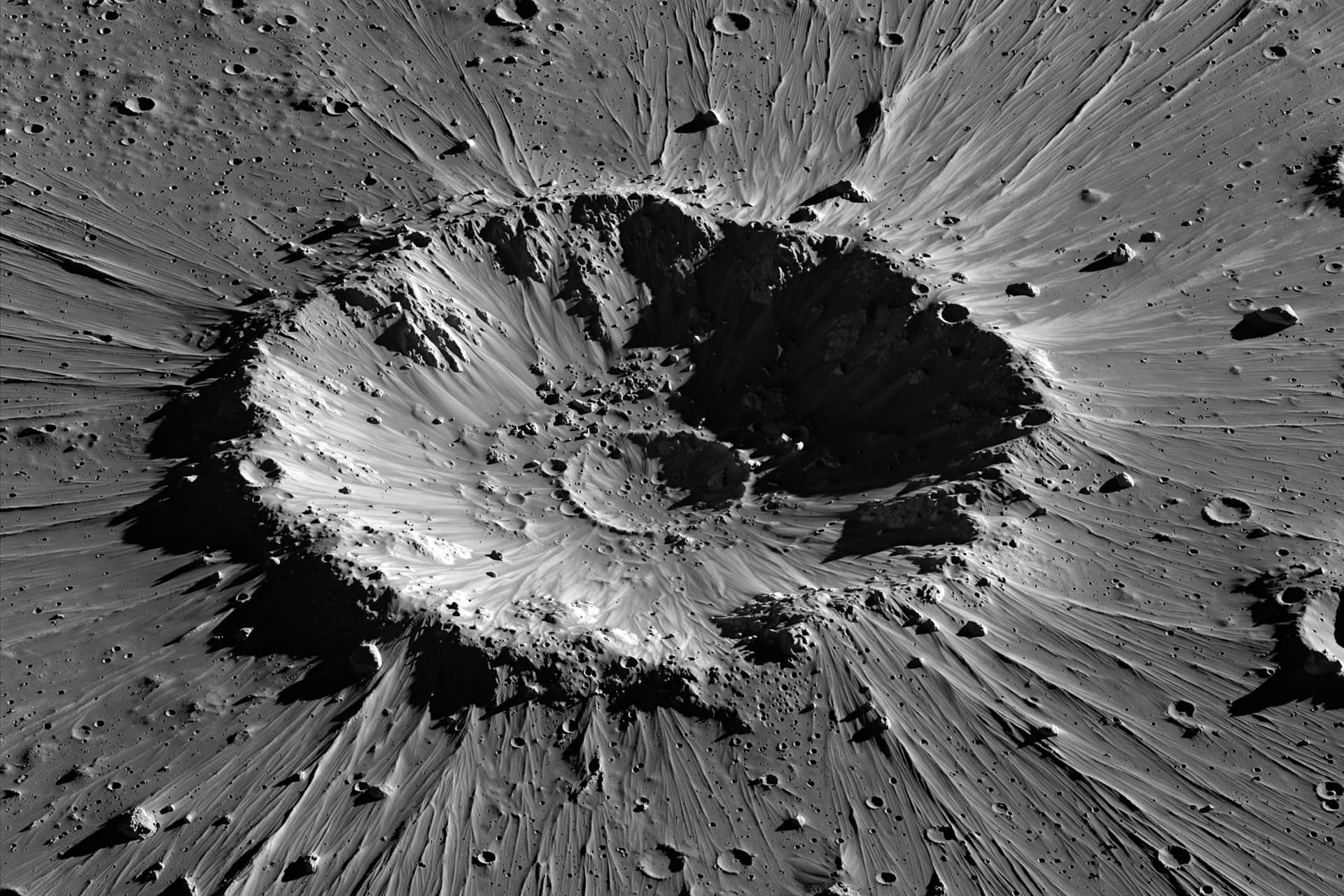
The Moon, often seen as a static and unchanging companion in our night sky, recently revealed a fresh scar on its surface. NASA’s Lunar Reconnaissance Orbiter (LRO) has identified a new impact crater, formed in 2024, that measures approximately 222 meters in diameter. This discovery, described by scientists as a "once-in-a-lifetime" event, offers a rare opportunity to study the immediate effects of a large impact on the lunar surface.
The crater, named McGetchin Crater after a prominent planetary scientist, was discovered through a comparison of images taken by the LRO before and after the impact. The change was striking, with a bright new feature appearing in a region that had previously been undisturbed. The size of the crater suggests that the impacting object was likely a sizable asteroid or comet, releasing energy equivalent to a significant explosion upon contact.
What makes this discovery particularly valuable is the timing. Because the impact occurred recently, scientists can analyze the ejecta blanket—the material thrown out during the collision—with minimal weathering or degradation from micrometeorite bombardment. This fresh layer provides clues about the composition of the subsurface regolith and the mechanics of impact processes on airless bodies.
The LRO has been orbiting the Moon since 2009, continuously mapping its surface in high detail. Its cameras are capable of resolving features as small as half a meter, making it an ideal tool for monitoring changes over time. The detection of McGetchin Crater highlights the importance of long-term observation missions in capturing transient events that might otherwise go unnoticed.
For planetary scientists, the crater serves as a natural laboratory. By studying the distribution of ejecta and the shape of the crater rim, researchers can better understand the velocity and angle of the impactor. This information helps refine models used to predict impact risks for future lunar missions and habitats, ensuring the safety of astronauts and equipment.
The event also underscores the dynamic nature of the solar system. Even in the seemingly quiet environment of the Moon, impacts continue to shape the landscape. Each new crater is a reminder of the ongoing bombardment that all planetary bodies face, and the need for vigilance in space exploration planning.
Public interest in the discovery has been high, with many people fascinated by the idea of witnessing a change on the Moon within their lifetime. Images released by NASA have captured the imagination, showing the stark contrast between the dark lunar surface and the bright, fresh ejecta of the new crater. It is a moment that connects the public with the scientific process in a tangible way.
The identification of McGetchin Crater marks a significant addition to our knowledge of lunar geology. As scientists continue to analyze the data, the findings will contribute to a broader understanding of impact processes and the evolution of planetary surfaces, offering lessons that extend beyond the Moon to other worlds in our solar system.
AI Image Disclaimer: The images associated with this article are AI-generated visualizations of the lunar surface and impact events, not actual photographs from the Lunar Reconnaissance Orbiter.
Sources: NASA Science.org CNN SciTechDaily Fox Baltimore
Published by Banx Network. This article is part of the Banx decentralized media programme, powered by the BXE token on the XRP Ledger.