Concrete is the backbone of modern civilization, shaping our cities and connecting our communities. Yet, its production comes with a significant environmental cost, contributing heavily to global carbon emissions. In the quest for sustainability, scientists are turning to unlikely allies: industrial waste and the subtle power of magnetism. Recent research suggests that combining iron waste with magnetized water could enhance the performance of concrete, offering a greener alternative to traditional building materials. This innovation represents a small but significant step toward a more sustainable future.
The study focuses on the use of iron ore tailings, a byproduct of mining that is often discarded as waste. By incorporating this material into concrete mixtures, researchers aim to reduce the demand for natural aggregates and minimize landfill usage. However, the key to unlocking the potential of iron waste lies in the treatment of the water used in the mixing process. Magnetizing the water alters its physical properties, potentially improving the bonding strength and durability of the final product.
Early experiments have shown promising results, with magnetized water helping to distribute the iron particles more evenly throughout the mixture. This uniformity leads to a denser, stronger concrete that is less prone to cracking and erosion. The process is simple and cost-effective, making it an attractive option for large-scale construction projects. It transforms a liability—industrial waste—into a valuable resource.
The environmental benefits extend beyond waste reduction. Traditional concrete production is energy-intensive, requiring high temperatures to produce cement. By optimizing the mixture with recycled materials and enhanced water, the overall carbon footprint of construction can be lowered. This aligns with global efforts to meet climate goals and promote circular economy principles in the building sector.
Engineers are cautiously optimistic about the scalability of this method. While laboratory results are encouraging, real-world applications require rigorous testing to ensure long-term stability and safety. Standards and regulations must be updated to accommodate new materials, a process that takes time and collaboration between industry and policymakers.
For developing nations, where infrastructure needs are growing rapidly, this technology could offer a sustainable path forward. It provides a way to build robust structures without depleting natural resources or exacerbating environmental degradation. The potential for local sourcing of materials also reduces transportation costs and emissions.
The intersection of waste management and construction innovation is a fertile ground for discovery. As researchers continue to refine the process, other industrial byproducts may also find new life in building materials. It is a reminder that solutions to complex problems often lie in reimagining what we consider worthless.
The use of iron waste and magnetized water in concrete production offers a glimpse of a more sustainable construction industry. While challenges remain, the potential for reducing environmental impact while maintaining performance is a compelling reason to pursue this innovative approach.
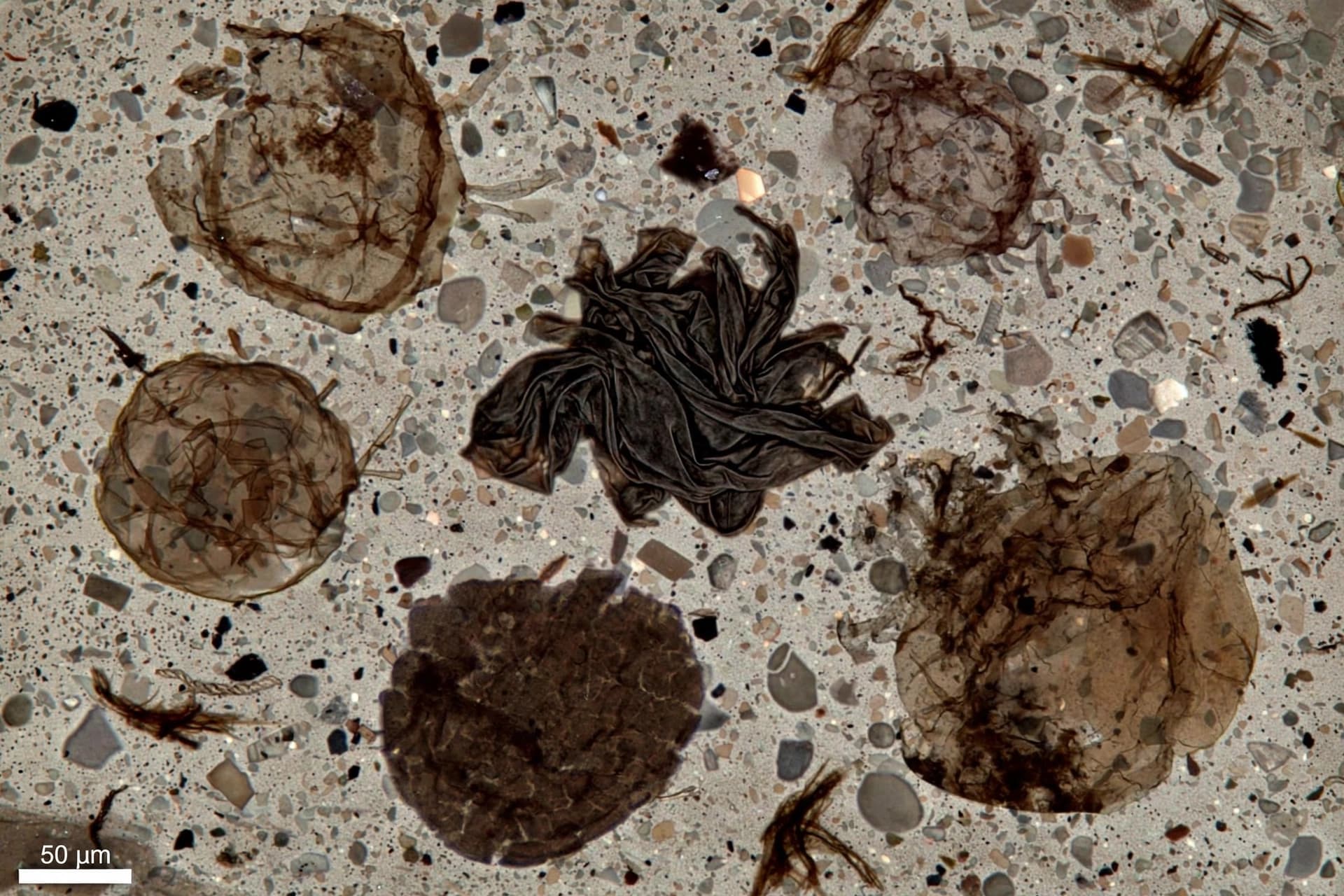
AI Image Disclaimer: The visual materials associated with this article are AI-generated and serve as illustrative aids rather than factual documentation.
Sources: ScienceDirect Journal of Cleaner Production Construction Dive Nature Sustainability
Published by Banx Network. This article is part of the Banx decentralized media programme, powered by the BXE token on the XRP Ledger.