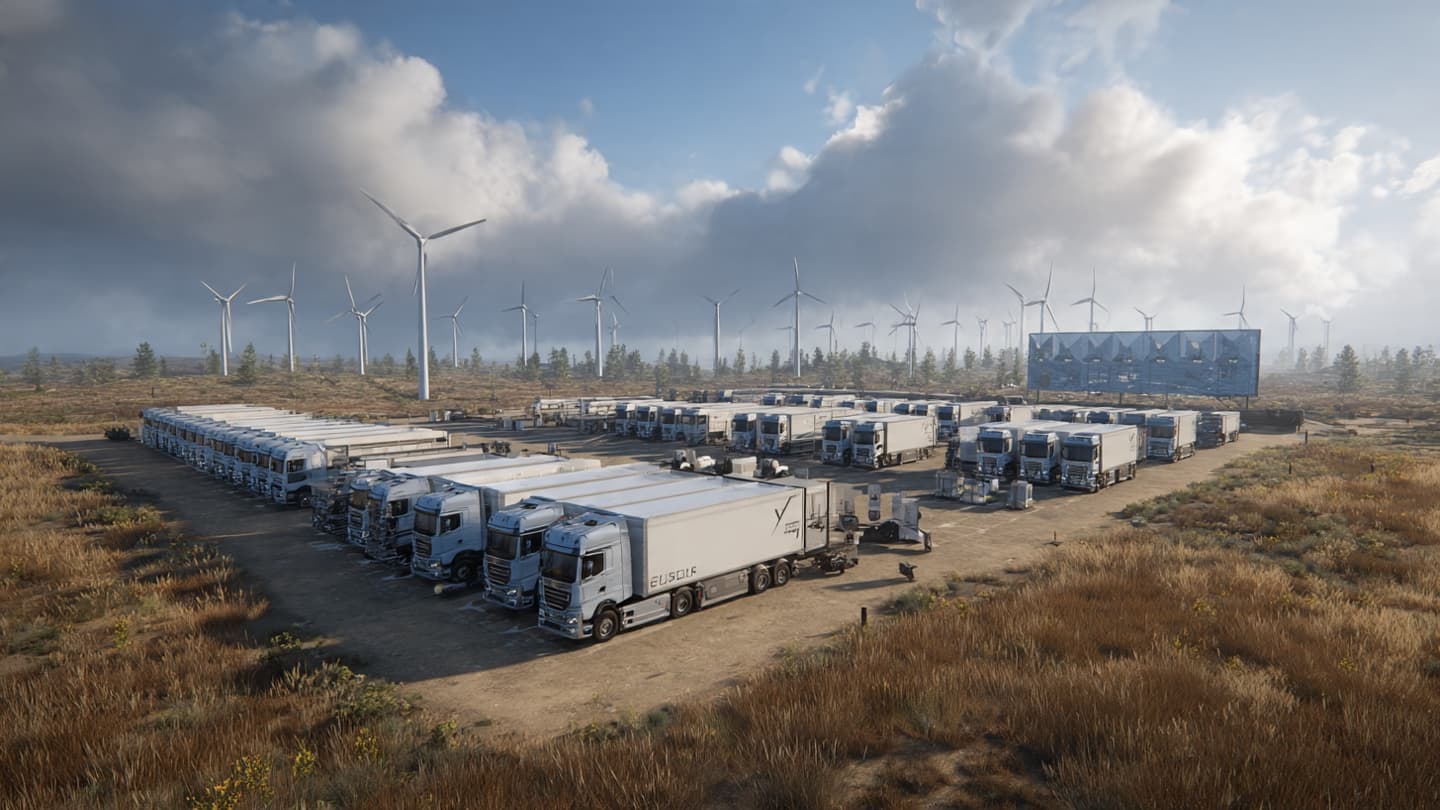
In an increasingly interconnected world, security is often viewed as a shared responsibility. Nations work together in various ways, from sharing information to conducting joint training, all with the aim of maintaining peace and ensuring readiness. Recently, the United States and Japan have taken steps in this direction, engaging in military exercises that bring together their capabilities and experience in a practical setting. These joint drills represent more than just routine activity; they are a visible expression of the partnership between the two countries. Over the years, their cooperation has grown, shaped by shared interests and a common desire for stability in the region. The exercises allow forces to work side by side, improving communication, understanding procedures, and building the kind of trust that is essential when operating in complex environments. A notable element of these recent activities has been the deployment of the Typhon missile system. This advanced capability brings new dimensions to the defense architecture of the area. For those involved, it is an opportunity to test and integrate modern technology, ensuring that systems work effectively together and that personnel are familiar with their operation. It is a process of learning and adaptation, designed to enhance overall effectiveness. However, as with any military development, these moves are observed and interpreted in different ways by different observers. In the broader context of regional security, the introduction of new systems and the holding of large-scale exercises can be seen from various perspectives. Some view them as necessary steps to deter potential threats and protect shared interests, while others express concerns about the implications for regional dynamics and the potential for increasing military presence. The Asia-Pacific region is home to many nations, each with their own histories, concerns, and visions for the future. Security arrangements in one area often resonate across borders, influencing perceptions and policies. It is a delicate landscape, where actions are weighed carefully and where the maintenance of peace requires not just strength, but also wisdom and diplomacy. The United States and Japan have emphasized that their activities are aimed at defense and at contributing to a secure environment. They point to the importance of being prepared, of having the ability to respond if needed, and of working with allies and partners to uphold international rules and norms. At the same time, there is recognition of the need for dialogue, and for efforts to ensure that military preparedness goes hand in hand with diplomatic engagement. As these exercises conclude and the equipment is redeployed, the situation remains one of careful management. The capabilities demonstrated add another layer to the security picture, but they also bring additional responsibilities. The challenge lies in using these tools in a way that supports stability, reduces risks, and creates space for peaceful cooperation. Ultimately, the goal shared by many in the region is a future where differences are managed through discussion, where trade and cultural exchange flourish, and where military strength serves as a foundation for peace rather than a cause for tension. The path toward that future is built through actions like these, but also through the ongoing commitment to understanding and mutual respect. AI Image Disclaimer Visuals are created with AI tools and are not real photographs. Sources
• Asahi Shimbun
• The Japan Times
• Defense News
• Stars and Stripes
• Nikkei Asia
Published by Banx Network. This article is part of the Banx decentralized media programme, powered by the BXE token on the XRP Ledger.