
Key Highlights
- Community Concern:Residents and shopkeepers in Palais du Midi call for urban renewal.
- Infrastructure Issues:Deferred maintenance affects safety and commerce.
- Municipal Response:Authorities acknowledge the need for intervention amid competing priorities.
Urban areas are dynamic ecosystems, shaped by the interactions of their residents, businesses, and the physical environment. In the Palais du Midi neighborhood, this ecosystem is showing signs of distress. Residents and shopkeepers are uniting in a call for restoration and revitalization, seeking attention for a community that has suffered from neglect and decay over time.
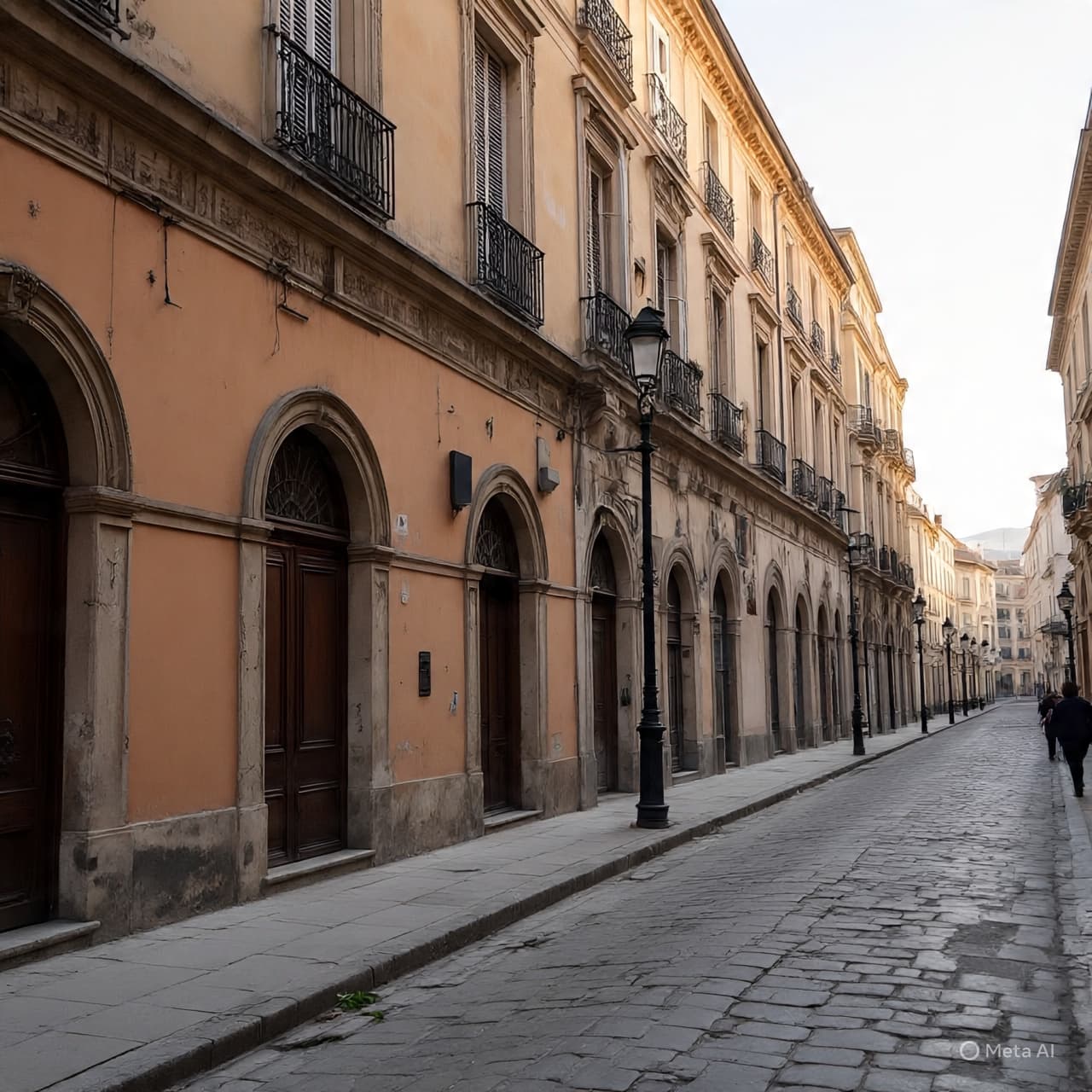
The primary concern revolves around urban maintenance. Many buildings, sidewalks, and public spaces in Palais du Midi exhibit the effects of deferred upkeep, which complicates daily operations for local businesses. Poor infrastructure not only deters foot traffic but also undermines client confidence, directly impacting the economic vitality of the area. For residents, these conditions affect their quality of life, safety, and the sense of belonging that transforms streets into vibrant community spaces.
Municipal authorities have recognized the urgent need for intervention, yet the timelines and budgets often extend beyond the immediate needs of the community. This creates a palpable tension: a neighborhood in need of revitalization versus a city grappling with competing priorities. The voices of residents and merchants serve a dual purpose; they advocate for necessary care while reminding policymakers that the vitality of urban spaces is fostered through attentive stewardship.
Revitalization efforts in urban areas require a careful balance of various elements. The restoration of infrastructure, support for local businesses, and investment in public spaces must be coordinated and guided by a long-term vision. Quick fixes, while well-intentioned, may fail to address the underlying challenges that contribute to urban decay. Observers note that the implications of neglect extend beyond aesthetics; they can influence perceptions of safety, property values, and the overall cohesion of civic life.
The Palais du Midi exemplifies this delicate balance. The petitions from residents and appeals from merchants reflect a desire not just for clean streets and repaired facades, but also for recognition — a sense that their daily lives and contributions are valued in the broader context of city planning. As discussions continue, there is hope that thoughtful interventions will not only restore the physical environment but also reinvigorate the social fabric of the area.
In doing so, the Palais du Midi could evolve from a neighborhood in pause to a vibrant quarter alive with activity, pride, and shared purpose. For now, the streets wait patiently, while the voices of the community rise with measured insistence, advocating for the care and renewal that sustains both commerce and community alike.
Published by Banx Network. This article is part of the Banx decentralized media programme, powered by the BXE token on the XRP Ledger.



