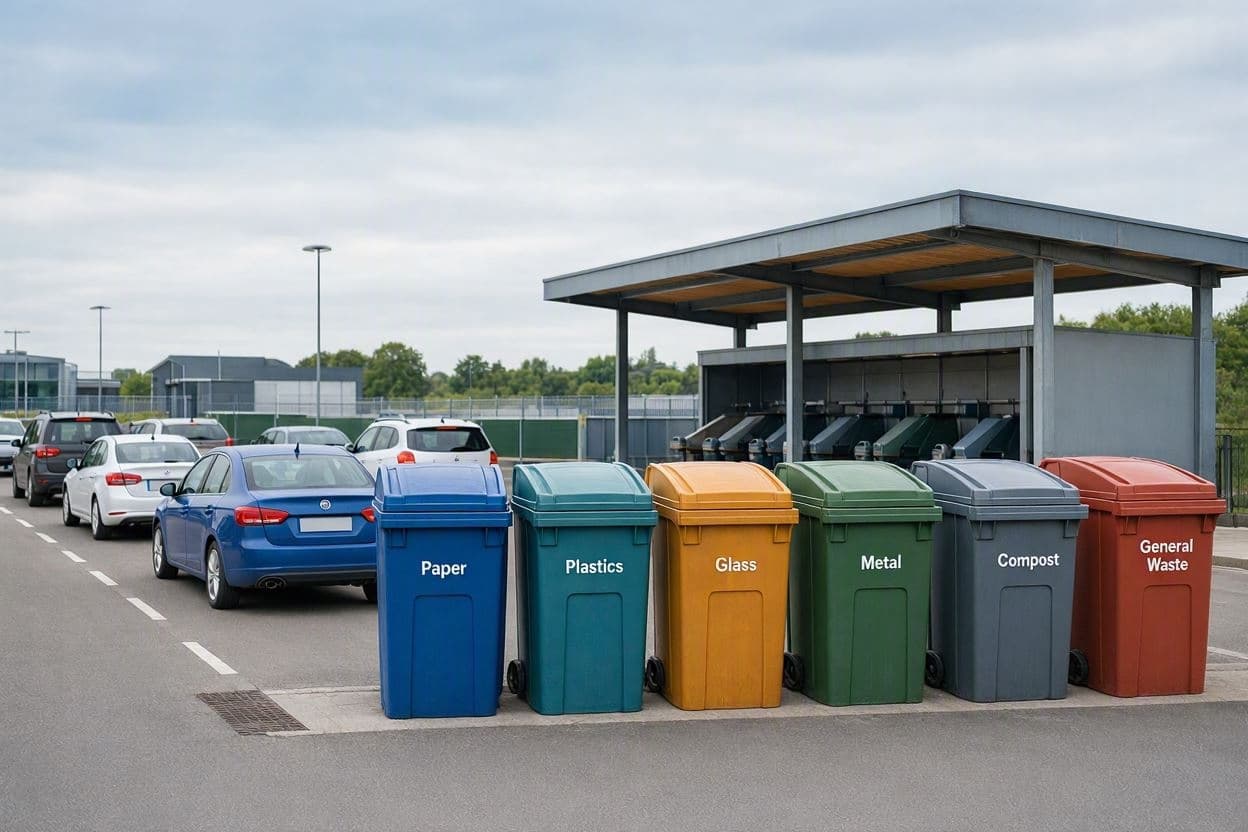
In the cycle of consumption and waste, the recycling center stands as a beacon of renewal, a place where discarded materials are given a second life. Yet, managing these facilities requires balance, ensuring that they remain accessible while preventing overcrowding and misuse. A new vehicle registration scheme for a local recycling center aims to streamline this process, introducing a layer of organization to the daily flow of traffic. This initiative reflects a growing need for sustainable management practices in community services.
The scheme requires residents to register their vehicles before visiting the recycling center. This step is designed to verify residency and limit commercial use of facilities intended for household waste. By implementing this system, administrators hope to reduce congestion and ensure that resources are available to those who truly need them. It is a measure of fairness, prioritizing local households over large-scale dumpers.
For many residents, the change may seem like an additional hurdle in an already busy schedule. However, proponents argue that the long-term benefits outweigh the initial inconvenience. Reduced wait times and a more orderly environment can make the recycling experience more pleasant and efficient. It encourages a sense of shared responsibility, where everyone plays a part in maintaining the facility’s functionality.
The registration process is typically straightforward, often handled online or via phone. Users provide basic information about their vehicle and address, receiving a permit or digital pass. This data helps the center manage capacity, predicting peak times and adjusting staffing accordingly. It transforms waste management from a reactive service into a proactive, data-driven operation.
Environmental advocates support the move, noting that efficient recycling centers are crucial for reducing landfill use. When facilities are overwhelmed, illegal dumping often increases, harming local ecosystems. By making legal disposal easier and more regulated, the scheme aims to curb these negative behaviors. It aligns with broader goals of community cleanliness and environmental stewardship.
Critics, however, raise concerns about accessibility for those without easy internet access or digital literacy. Ensuring that the registration process is inclusive is vital. Community centers and libraries often step in to assist residents who may struggle with online forms, ensuring that no one is excluded from essential services. Equity must remain at the forefront of such administrative changes.
The success of the scheme depends on clear communication and community buy-in. Residents need to understand the reasons behind the change and how it benefits them. Transparent dialogue helps build trust, turning potential frustration into cooperation. When people feel heard and informed, they are more likely to embrace new systems.
As the program rolls out, monitoring and feedback will be key. Adjustments may be needed to address unforeseen challenges or improve user experience. The goal is not just control but enhancement, creating a recycling system that is both efficient and user-friendly. It is a step toward a more organized and sustainable future.
The introduction of a vehicle registration scheme for the recycling center aims to improve efficiency and fairness in waste management. While it adds a step for residents, the goal is to reduce congestion and prevent misuse. Community cooperation and clear communication are essential for its success.
AI Image Disclaimer: The images associated with this article are AI-generated visualizations intended to symbolize organized waste management and community participation, using neutral and descriptive imagery.
Sources: Local Municipal Council Reports Environmental Agency Guidelines Community News Outlets
Published by Banx Network. This article is part of the Banx decentralized media programme, powered by the BXE token on the XRP Ledger.