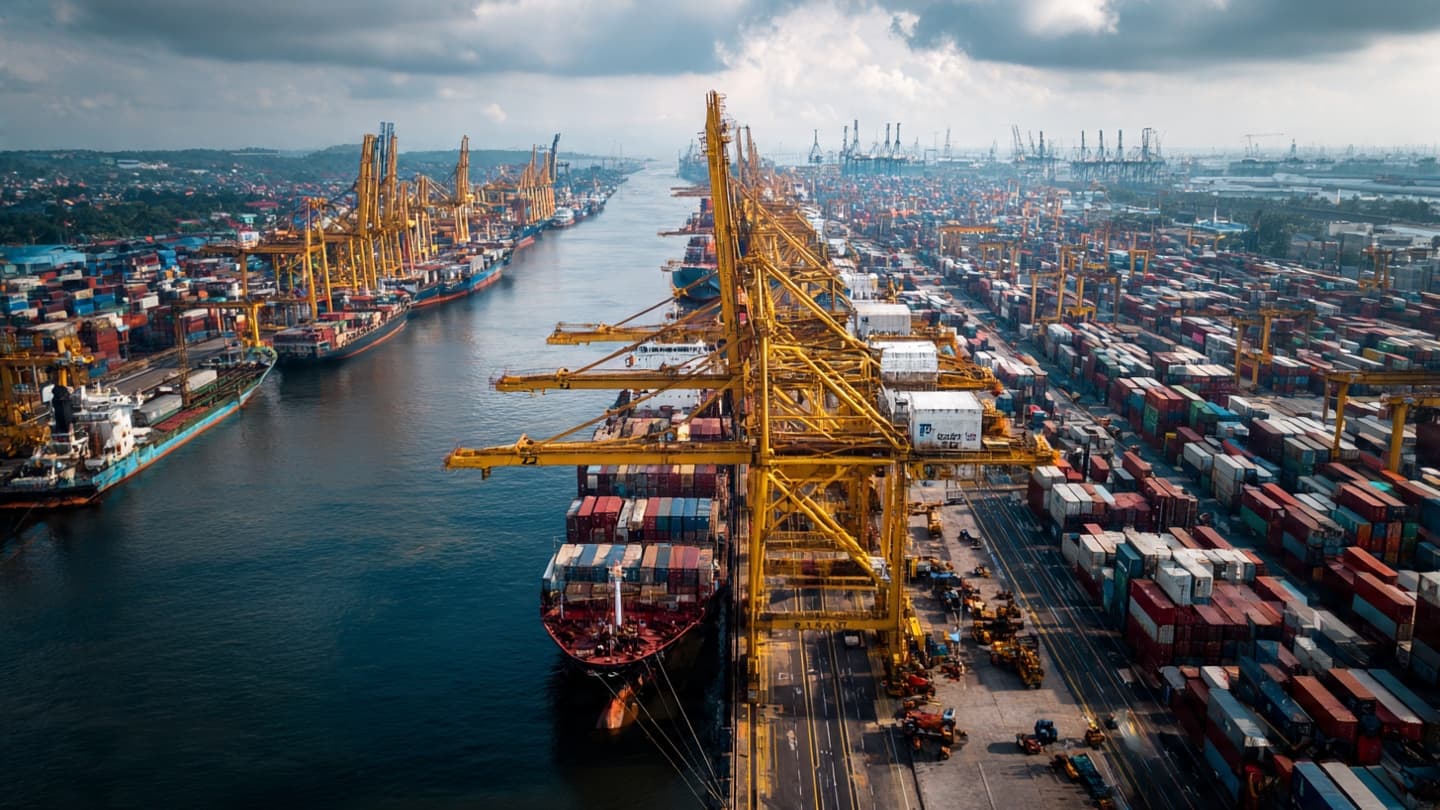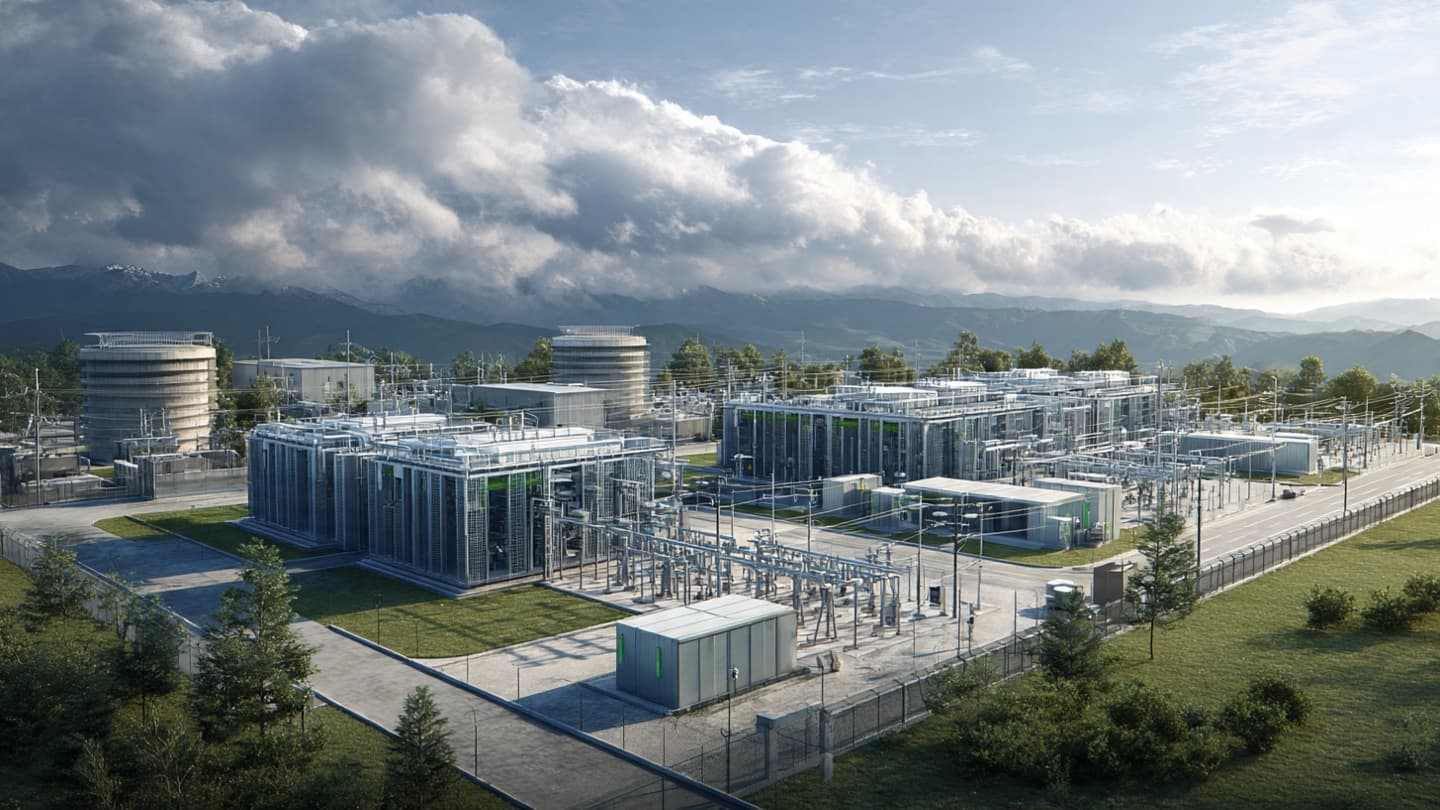
Across parts of the American landscape, enormous buildings are appearing where open fields and industrial land once dominated the view. Inside them, thousands of computers work continuously, processing the information behind artificial intelligence, cloud services, and digital platforms. From a distance, these facilities can appear almost silent. Their physical demands, however, are becoming increasingly difficult for nearby communities to overlook.
The rapid expansion of data centers across the United States has created growing concern about electricity consumption, water use, local infrastructure, and environmental effects. Communities in several states have begun questioning how much of the cost associated with new facilities should be absorbed locally as technology companies seek places where large-scale computing can be built quickly. (theguardian.com)
The growth is being driven partly by artificial intelligence. Training and operating advanced AI systems require enormous computing capacity, and technology companies are investing billions of dollars in new facilities. Each center can contain thousands of specialized processors, while the buildings themselves require extensive cooling and electrical systems.
Texas has emerged as one of the major locations for this development. Large amounts of available land and expanding energy infrastructure have attracted data-center developers, while the state's existing technology and industrial base provides another reason for companies to consider new projects there.
Yet the arrival of a data center can change the character of a community. New facilities can bring construction activity, employment, tax revenue, and investment. At the same time, residents may face concerns about additional electricity demand, water consumption, noise, transmission infrastructure, and changes to surrounding land.
Electricity has become one of the most closely watched issues. A large data center can consume power on a scale comparable to a small city, and clusters of facilities can place additional pressure on local grids. Utilities are therefore being asked to expand generation and transmission capacity as the technology industry accelerates its construction plans.
Water is another consideration, particularly in regions where supplies are already under pressure. Many data centers use water-based cooling systems, although the amount varies significantly according to facility design, climate, and technology. Developers have increasingly explored alternative cooling systems as communities pay greater attention to water resources.
The debate reflects a broader tension within America's digital transformation. Consumers and businesses increasingly depend on cloud computing and AI services, yet the infrastructure supporting those services must occupy physical space somewhere. The benefits are distributed widely, while some of the immediate environmental and infrastructure demands remain concentrated near individual facilities.
For technology companies, the challenge is therefore no longer simply finding enough computing power. It is also finding locations where electricity, water, land, transportation, and community acceptance can support increasingly large developments.
Across the United States, that process is continuing. New data centers are being proposed and constructed, while local communities are examining what the next generation of digital infrastructure means for the places where they live. The AI economy may operate largely through invisible networks, but its buildings are becoming an increasingly visible part of the American landscape.
AI IMAGE DISCLAIMER
These AI-generated illustrations depict conceptual data-center environments and community landscapes and are not actual photographs.
SOURCES
The Guardian
Published by Banx Network. This article is part of the Banx decentralized media programme, powered by the BXE token on the XRP Ledger.