As summer nights stretch out across the hemisphere, the cosmos prepares to offer a spectacular display of light and motion. A rare meteor shower is poised to deliver one of the best sky shows in years, promising a dazzling array of streaks across the dark canvas of space. For stargazers and casual observers alike, this event offers a chance to reconnect with the wonder of the universe. It is a reminder that even in our busy lives, there are moments of pure, unadulterated beauty waiting above us.
The anticipation builds as astronomers predict high activity levels, fueled by favorable lunar conditions and dense debris trails. It invites us to look up and appreciate the silent drama of celestial mechanics.
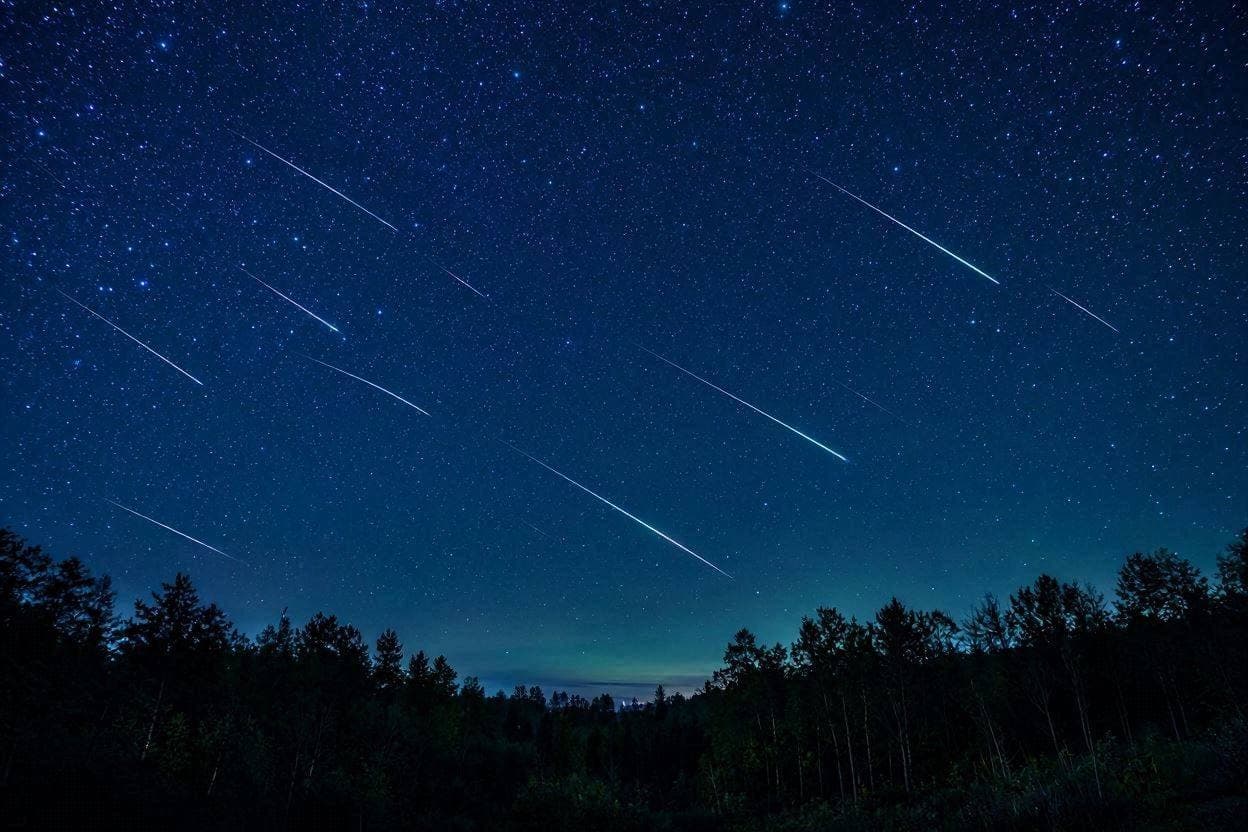
The meteor shower, likely the Perseids or another major annual event depending on the specific timing, occurs when Earth passes through a stream of cosmic dust left behind by a comet or asteroid. As these tiny particles enter the atmosphere at high speeds, they burn up, creating bright trails of light known as meteors. In years with optimal conditions, viewers can see dozens of meteors per hour.
This year’s display is expected to be particularly impressive due to a new moon phase, which ensures a dark sky free from lunar glare. The absence of moonlight allows fainter meteors to be visible, enhancing the overall experience. Clear weather forecasts in many regions further boost the potential for a memorable viewing session.
To enjoy the show, observers should find a location away from city lights, where the sky is darkest. Lying back and allowing eyes to adjust to the darkness for at least 20 minutes improves visibility. No special equipment is needed; the naked eye provides the widest field of view, capturing the full sweep of the radiant point.
Meteor showers have fascinated humans for centuries, inspiring myths and scientific inquiry alike. They serve as a tangible connection to the solar system’s history, reminding us that we are part of a dynamic and evolving cosmic neighborhood. Each streak of light is a visitor from deep space, burning up in a final, brilliant flash.
For photographers, the event presents both a challenge and an opportunity. Long-exposure techniques can capture multiple meteors in a single frame, creating stunning images of the night sky. Patience and preparation are key, as is a bit of luck with the weather.
Community astronomy groups often organize viewing parties, providing telescopes, expert guidance, and hot drinks. These gatherings foster a sense of shared wonder and education, making the experience accessible to newcomers. It is a chance to learn about constellations and the science behind the spectacle.
Beyond entertainment, meteor showers provide valuable data for scientists studying the composition of comets and asteroids. By analyzing the brightness and trajectory of meteors, researchers can gain insights into the origins of our solar system. Citizen science projects often invite public participation in counting and reporting observations.
As the peak approaches, excitement grows among enthusiasts worldwide. Social media buzzes with tips, locations, and predictions, building a global community of sky watchers. The shared anticipation adds to the joy of the event.
The upcoming rare meteor shower promises a exceptional viewing experience, thanks to dark skies and high activity. It invites everyone to step outside and marvel at the beauty of the night sky.
AI Image Disclaimer: Images used in this report are AI-generated depictions intended to illustrate the themes of astronomical observation and celestial beauty.
Sources: Space.com EarthSky Royal Museums Greenwich American Meteor Society
Published by Banx Network. This article is part of the Banx decentralized media programme, powered by the BXE token on the XRP Ledger.