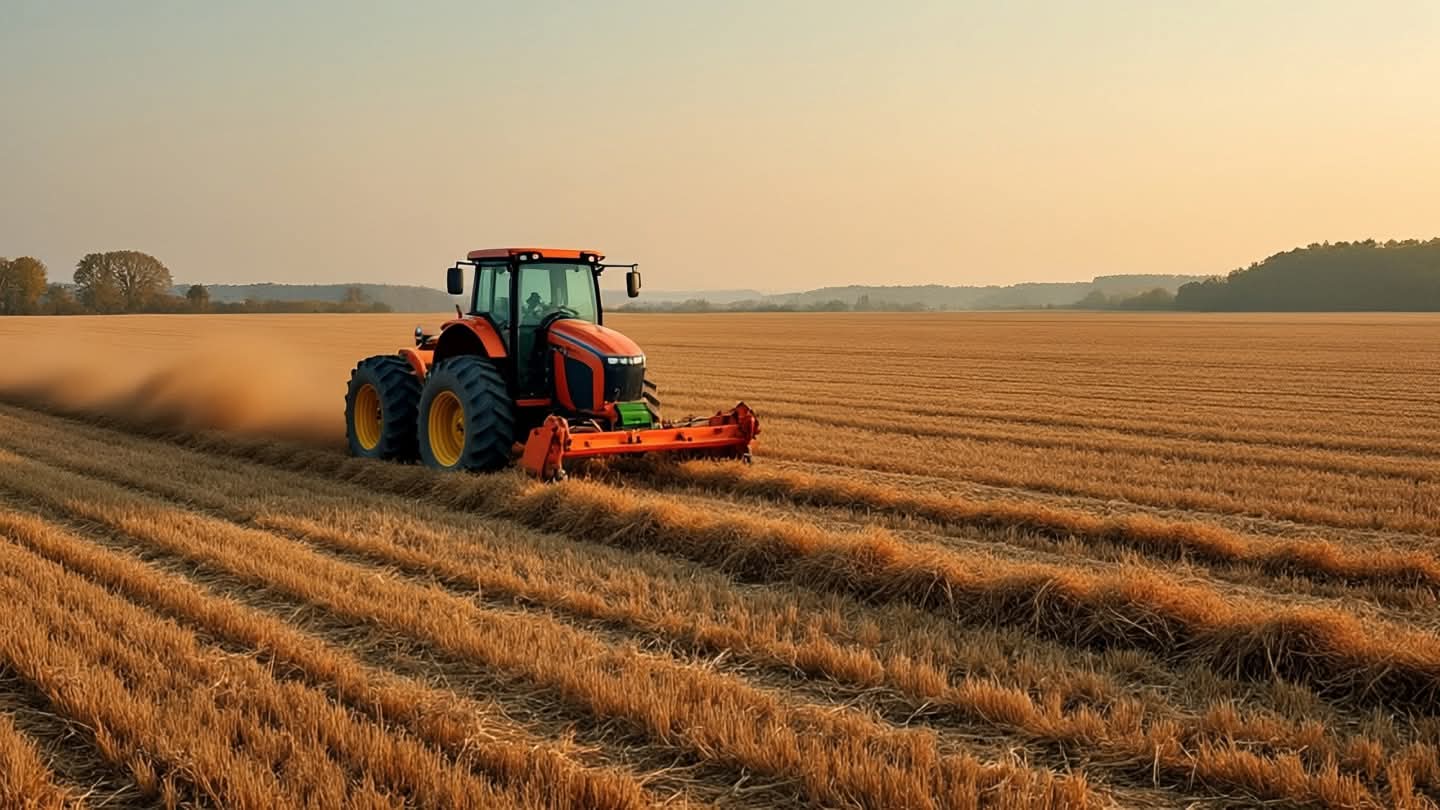
In the fields where harvest ends, a quiet transformation begins. For centuries, farmers burned or removed crop residue, viewing it as waste. Today, a growing body of research suggests that returning straw to the soil is a powerful tool for combating climate change. By incorporating these organic remnants back into the earth, we can boost soil carbon storage, improve fertility, and create a more resilient agricultural system.
Straw, the dry stalks of crops like wheat, rice, and corn, is rich in carbon. When left on the field or tilled into the soil, it decomposes slowly, adding organic matter to the ground. This process sequesters carbon that would otherwise be released into the atmosphere as carbon dioxide. Studies show that straw return can increase soil organic carbon content by up to 20%, making it a significant contributor to carbon farming strategies.
Beyond carbon storage, straw return enhances soil structure. It improves aggregation, allowing the soil to hold more water and resist erosion. This is particularly important in regions facing extreme weather, where healthy soil acts as a buffer against drought and flood. Farmers who adopt this practice often report better crop yields and reduced need for synthetic fertilizers, creating a win-win for productivity and sustainability.
The benefits extend to microbial life as well. Straw provides food for soil bacteria and fungi, which play crucial roles in nutrient cycling. A diverse and active microbial community supports plant health, reducing the risk of disease and pest outbreaks. This biological vitality is the foundation of a thriving ecosystem, turning the soil from a mere substrate into a living, breathing entity.
However, the practice is not without challenges. In some cases, straw decomposition can temporarily tie up nitrogen, requiring careful management of fertilizer application. Additionally, in wet climates, leftover straw can harbor pests or diseases. Farmers must adapt their techniques to local conditions, balancing the benefits of carbon storage with practical agricultural needs.
Government policies and incentives are increasingly supporting straw return initiatives. Subsidies for equipment that facilitates residue incorporation and education programs help farmers make the transition. These efforts recognize that agriculture is not just about food production but also about environmental stewardship. By rewarding sustainable practices, we encourage a shift toward regenerative farming.
The global potential of straw return is immense. With billions of tons of crop residue produced annually, widespread adoption could sequester significant amounts of carbon. It is a low-tech, high-impact solution that leverages existing resources. By valuing what was once considered waste, we unlock a hidden potential for climate mitigation.
As we face the urgent challenge of climate change, solutions like straw return offer a path forward. They remind us that nature often provides the answers, if we are willing to listen. By working with the land rather than against it, we can build a future that is both productive and sustainable, ensuring that the earth remains fertile for generations to come.
AI Image Disclaimer: Visuals in this article are AI-generated illustrations of agricultural landscapes and soil profiles, designed to highlight the concept of carbon sequestration.
Sources: ScienceDirect, EurekAlert!, Frontiers in Microbiology, MDPI
Published by Banx Network. This article is part of the Banx decentralized media programme, powered by the BXE token on the XRP Ledger.