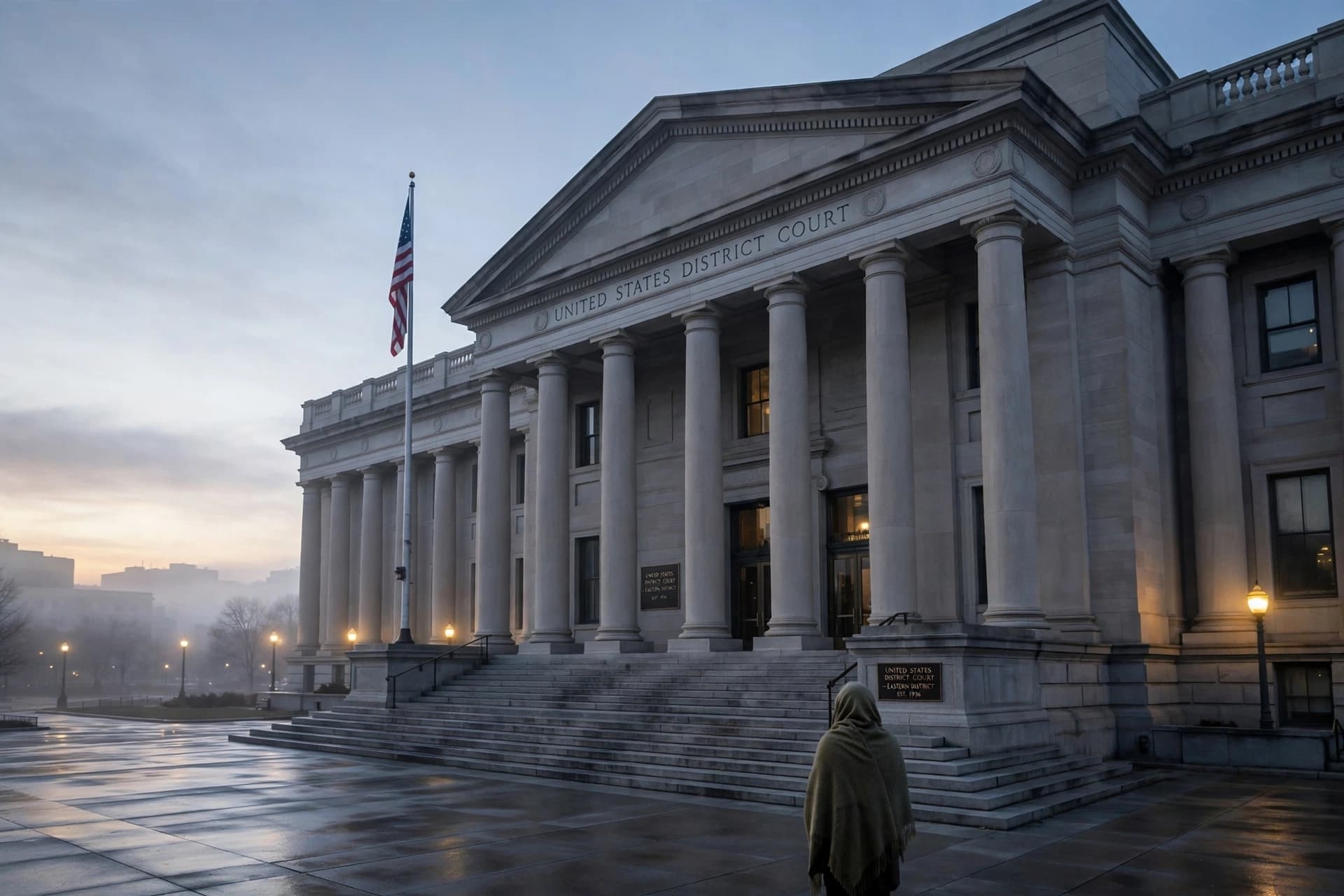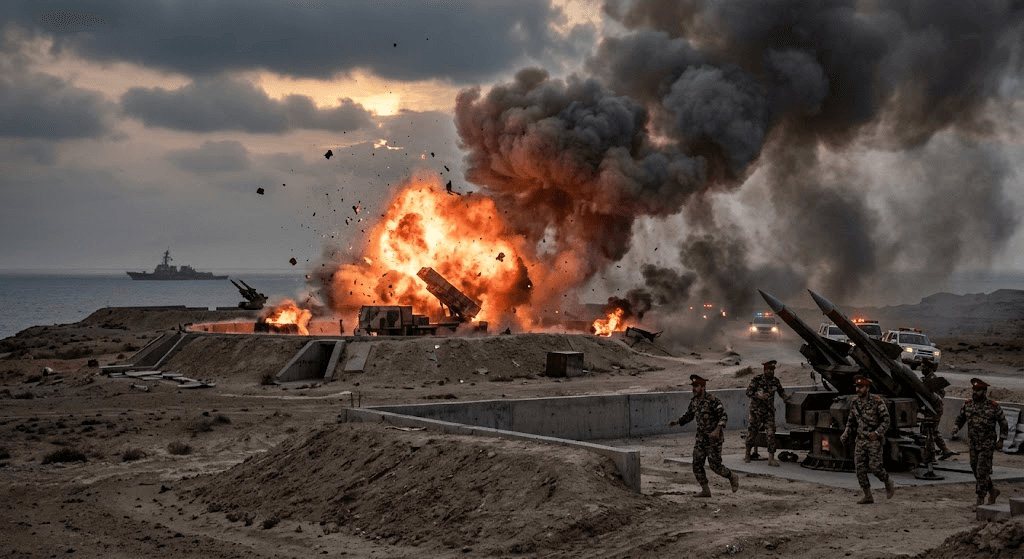
WASHINGTON / TEHRAN — Tensions in the Middle East flared on Monday, November 2, 2026, after the United States military carried out targeted airstrikes on Iran’s strategic Qeshm Island, located in the narrow Strait of Hormuz.
Iran’s state-run IRNA news agency reported multiple loud explosions echoing across the island. The operation represents one of the most direct military engagements between U.S. forces and Iranian military infrastructure in the vital maritime transit corridor in recent months.
According to U.S. defense officials speaking on condition of anonymity, American forces carried out the limited strike after Iranian Islamic Revolutionary Guard Corps (IRGC) units stationed on Qeshm Island targeted a U.S. aircraft with surface-to-air missiles.
A fighter jet deployed by the U.S. military swiftly neutralized an Iranian surface-to-air missile launcher on the island in response. Officials emphasized that the operation was strictly defensive and designed to protect U.S. personnel and assets operating in international airspace near the Gulf.
"The defensive measures were taken directly in response to Iranian surface-to-air missile systems engaging American assets over the Strait," a U.S. official confirmed, adding that Washington intentionally limited the scope of the operation to prevent wider tactical escalation.
Qeshm Island, the largest island in the Persian Gulf, sits directly along the northern flank of the Strait of Hormuz—a crucial chokepoint through which approximately one-fifth of the world’s petroleum passes daily.
Because of its geographical positioning, the island has long served as a key outpost for the IRGC, housing radar installations, missile batteries, and fast-attack naval units. Any military activity near the island raises immediate alarms across global energy markets, with Brent crude and West Texas Intermediate futures surging in early trading following reports of the strikes.
The strikes coincide with delicate diplomatic maneuvers behind the scenes. Despite the kinetic engagement on the ground, diplomatic channels mediated by Qatari officials have remained active in an attempt to de-escalate broader regional hostilities and resume formal negotiations.
While global energy markets reacted nervously to the overnight developments, Pentagon and White House representatives reiterated that the United States is not seeking a broader war, though forces in the region will continue to defend international shipping lanes and U.S. military assets against direct attack.
Published by Banx Network. This article is part of the Banx decentralized media programme, powered by the BXE token on the XRP Ledger.