
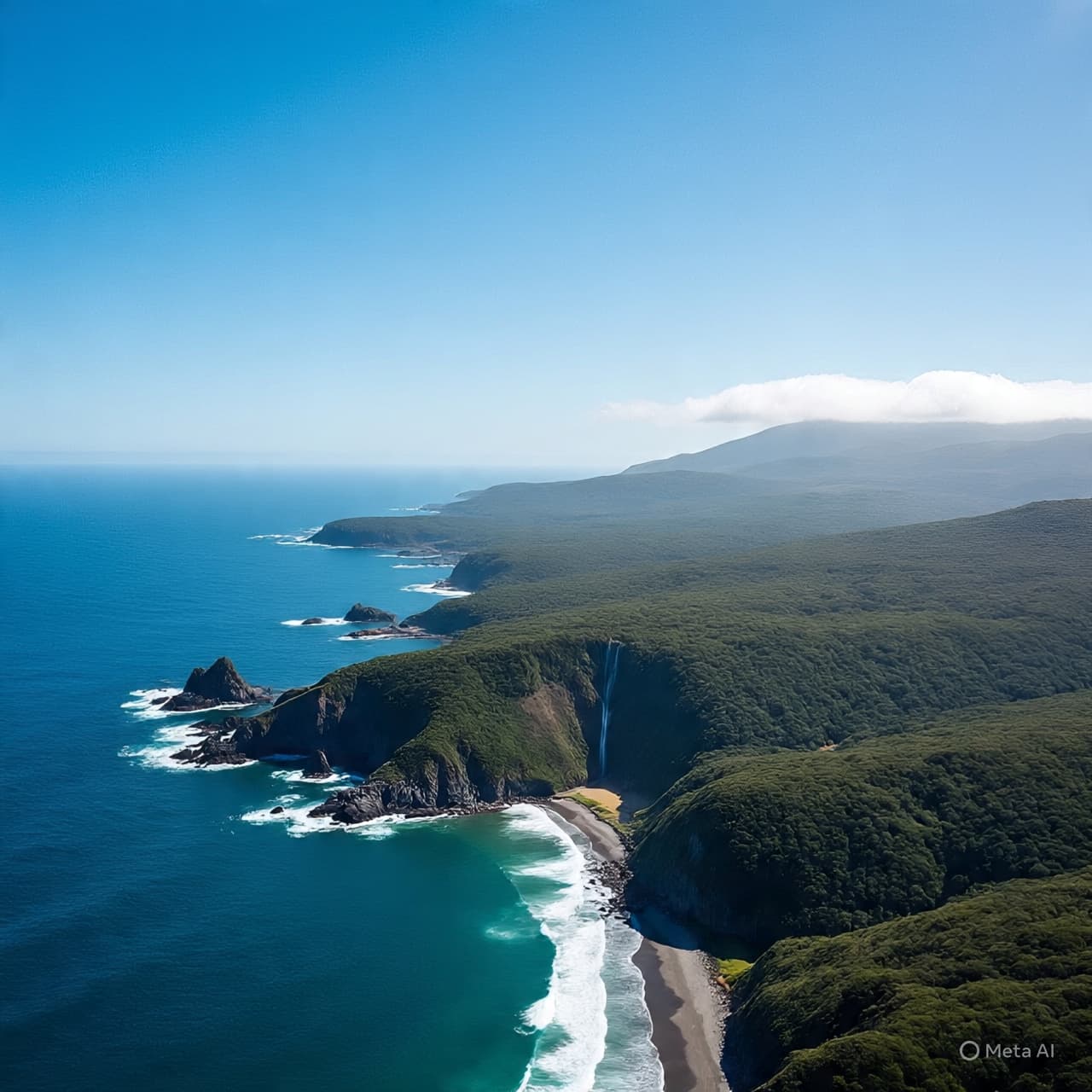
At the very edge of the world, where wind-torn coastlines meet silent forests and the sky feels impossibly vast, nature still holds some of its last unbroken rhythms. It is into this wilderness — an expanse that feels as much a human dream as an ecological treasure — that Chile is now stepping boldly, weaving a long-held vision into reality. With plans to designate a vast new national park at the southern tip of the Americas, Chile will complete a nearly 2,800 km wildlife corridor spanning Patagonia — a corridor that may one day become one of the planet’s great stitched-together landscapes of life and story.
The Chilean government is poised to formally establish Cape Froward National Park, a rich mosaic of coastline, forested valleys and peat bogs covering nearly 200,000 hectares (roughly 500,000 acres) on the remote Brunswick Peninsula. When officially protected, it will become Chile’s 47th national park and the culmination of a conservation initiative stretching 2,800 kilometres from northern Patagonia to the extreme south — an ecological spine often called the Ruta de los Parques de la Patagonia.
Conceived by environmental groups such as Tompkins Conservation and its successor Rewilding Chile, this corridor links a chain of protected lands, public reserves and donated wilderness areas that together shelter an extraordinary array of life. The area’s biodiverse habitats are home to endangered species like the huemul deer and the huillín — a rare river otter — while cameras have recorded pumas and scores of birds and mammals moving through these wild places.
Kristine Tompkins, a U.S. conservationist whose philanthropy has helped spark this effort, described Cape Froward as “one of the few truly wild forest and peak territories left in the country.” Its rugged shores, boggy interiors and Indigenous heritage make the region not just biologically significant but culturally resonant, with archaeological sites reflecting millennia of human presence.
Importantly, the corridor isn’t only about ecology — it bridges landscapes and communities. The broader Ruta de los Parques initiative promotes sustainable tourism and local development across Patagonia, encouraging nature-based economies even as it safeguards enormous tracts of wilderness. Those 2,800 km are more than a measurement; they signify an integrated vision of conservation and shared stewardship that stretches from Puerto Montt in the north to Cape Horn in the south.
The planned national park at Cape Froward still faces procedural steps — including an Indigenous consultation process required before formal designation. If this is not completed within two years, the land donated by conservation groups may revert to their stewardship, underscoring ongoing questions about governance and partnership even in high-profile conservation projects.
In a world where wild land often yields to industry, desertification and fragmentation, Chile’s grand corridor offers a different story: one of connection, resilience and intentional foresight. The creation of Cape Froward National Park will not merely add another protected area to the map — it will complete one of Earth’s longest continual wilderness corridors, a living testament to what sustained conservation ambition can achieve. And in the silence of those forests and windswept plains, the future of Patagonia’s wild heart will continue to unfold.
AI Image Disclaimer “Visuals are created with AI tools and are not real photographs.”
Sources The Guardian Reuters News Minimalist Ruta de los Parques de la Patagonia (official) Rewilding Chile official information
Published by Banx Network. This article is part of the Banx decentralized media programme, powered by the BXE token on the XRP Ledger.


