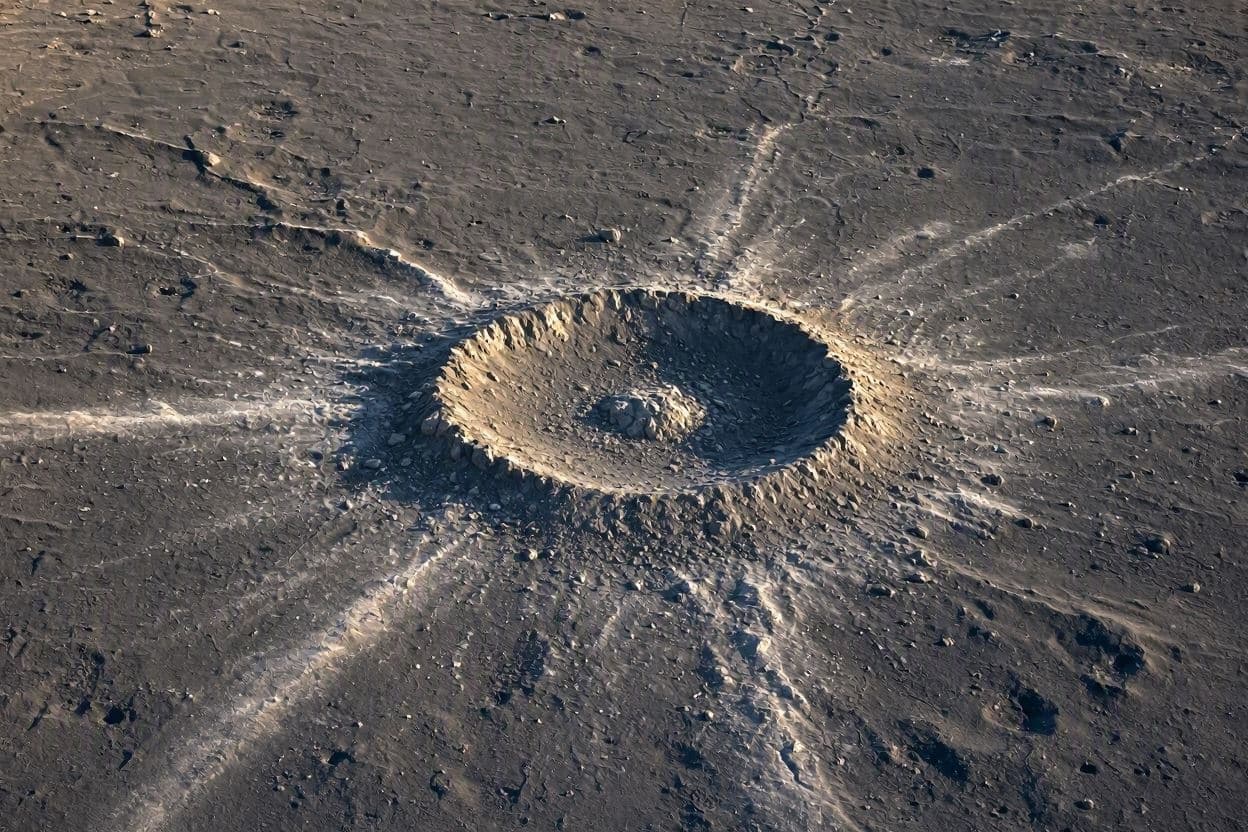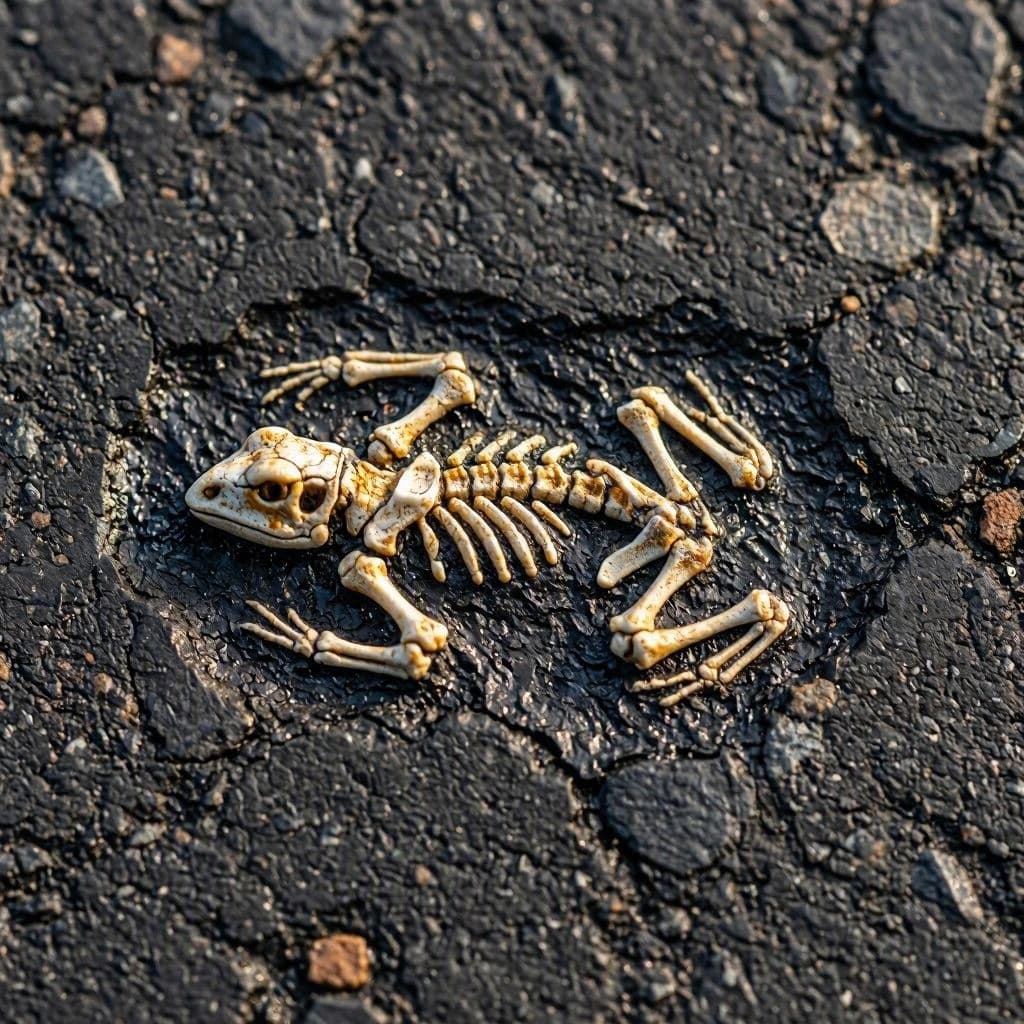
In the heart of bustling Los Angeles, amidst the roar of traffic and the glow of city lights, lies a window into the distant past. The La Brea Tar Pits, famous for preserving the bones of mammoths and saber-toothed cats, have yielded another secret: the remains of an extinct toad from the Ice Age. This small amphibian, trapped in the sticky asphalt thousands of years ago, offers a rare glimpse into the ecosystem of prehistoric Southern California, reminding us that even the smallest creatures have stories to tell.
The discovery was made during routine excavation and sorting of fossils at the George C. Page Museum. Among the larger, more charismatic megafauna, researchers identified the delicate bones of Bufo species, now extinct in the region. The preservation of such small, fragile skeletons in tar is unusual, as they are often crushed or decomposed. However, the unique properties of the asphalt, which seals out oxygen and moisture, allowed these tiny remains to survive intact for millennia.
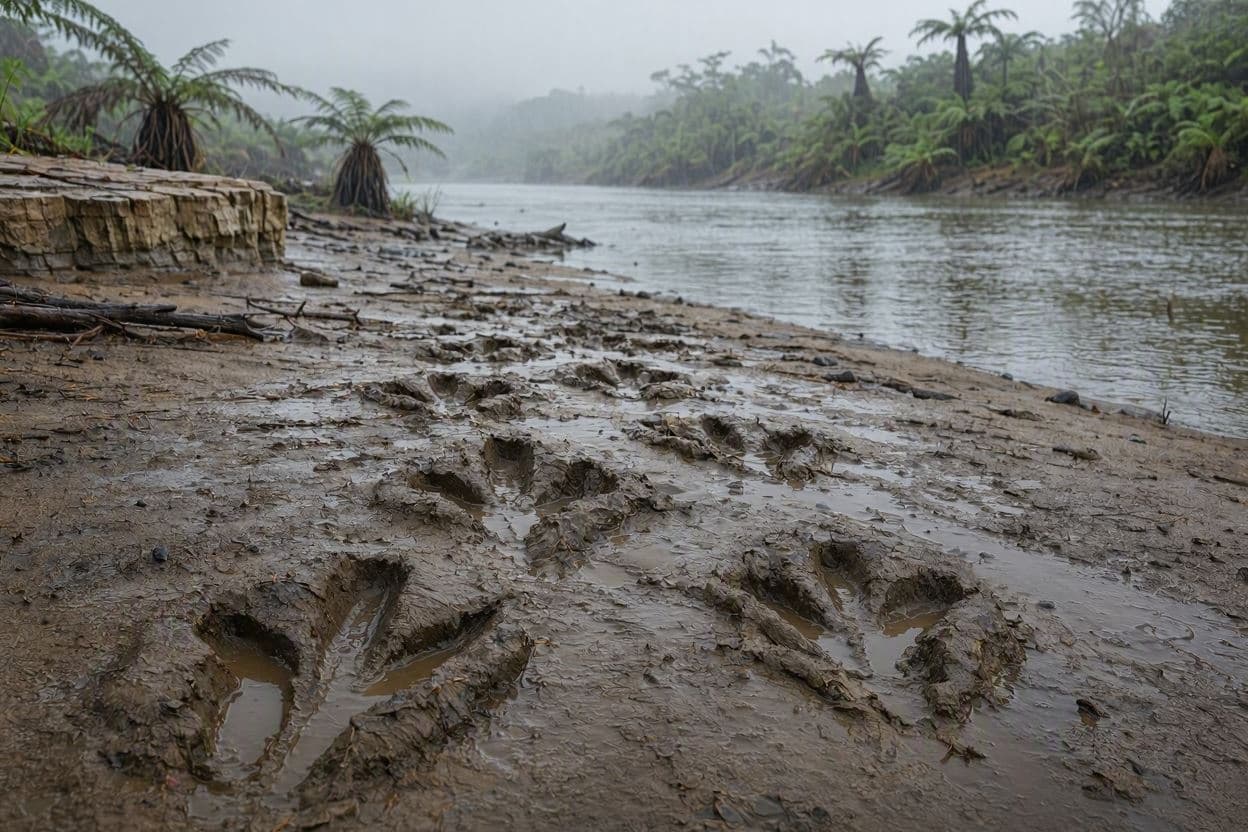
This toad lived during the Late Pleistocene, a time when the climate of Los Angeles was cooler and wetter than it is today. The presence of amphibians indicates a landscape rich in ponds and wetlands, supporting a diverse array of life. As the climate warmed and the environment changed, many species, including this toad, could not adapt and eventually disappeared. Their fossils serve as markers of environmental shift, documenting the loss of biodiversity over time.
For paleontologists, the find is significant because it adds detail to the picture of the local ecosystem. While large mammals dominate the narrative of the Ice Age, smaller animals like frogs, toads, and rodents played crucial roles in the food web. Understanding their presence and absence helps scientists reconstruct the habitat conditions and ecological dynamics of the past. It is a holistic approach to history, valuing every link in the chain.
The La Brea Tar Pits continue to be a prolific source of fossils, with new discoveries emerging regularly. Each find contributes to a growing database of Pleistocene life, helping researchers track changes in species distribution and climate. The museum’s ongoing work ensures that these treasures are preserved and studied, providing insights that are relevant to current conservation efforts.
Public interest in the tar pits remains high, with visitors drawn to the tangible connection to deep time. The story of the extinct toad resonates because it highlights the fragility of life and the impact of environmental change. It serves as a gentle reminder that the world we live in is constantly evolving, and that we are part of a long continuum of biological history.
The discovery of the Ice Age toad at La Brea is a testament to the richness of the fossil record. It reminds us that history is written not just by the giants, but by the small and the silent. As we learn more about these ancient inhabitants, we gain a deeper appreciation for the complex web of life that has shaped our planet.
AI Image Disclaimer: The images provided are AI-generated to visually represent the paleontological and historical aspects of the story.
Sources: Natural History Museum of Los Angeles County Live Science Smithsonian Magazine
Published by Banx Network. This article is part of the Banx decentralized media programme, powered by the BXE token on the XRP Ledger.