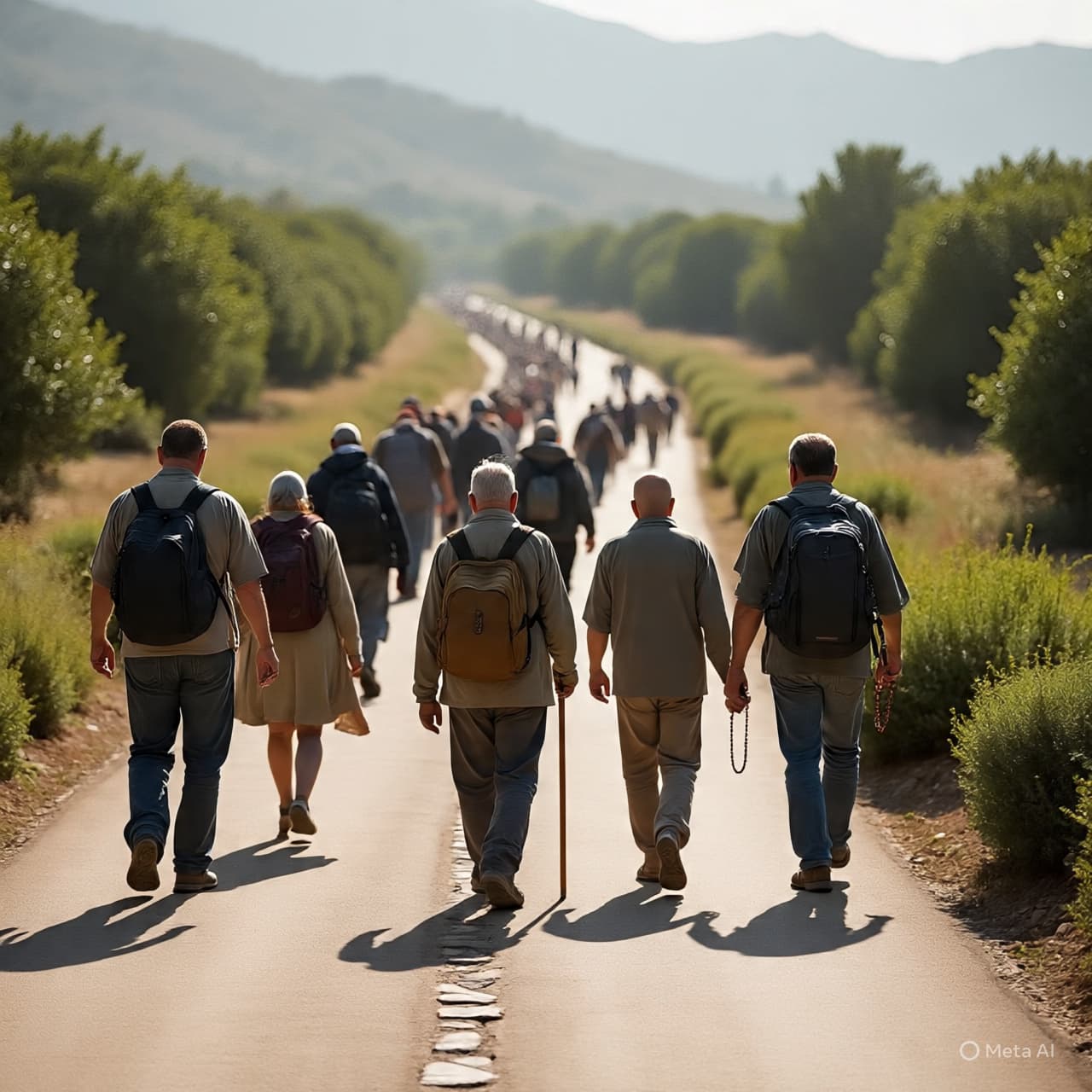
In the long arc of a human life, there are journeys measured not by distance, but by readiness. Hajj is one of them. It begins long before footsteps touch the marble of the Grand Mosque, forming quietly in intention, discipline, and care for the body that will carry devotion across days of ritual and reflection.
Preparation for Hajj is often spoken of in logistical terms—documents, schedules, accommodation. Yet beneath these necessities lies a quieter preparation, one that shapes endurance and calm. The body, after all, becomes a companion in worship. Daily habits, adjusted gently months ahead, can help pilgrims meet the physical demands of Hajj with steadier breath and clearer focus.
Walking, often overlooked, becomes a form of rehearsal. Gradual increases in daily steps help the body adapt to long distances walked under the sun. Simple routines—walking after prayer, choosing stairs over elevators—can slowly build resilience without strain. Alongside movement, rest remains essential, allowing muscles and joints to recover and strengthen.
Nutrition, too, takes on a thoughtful role. Balanced meals rich in fruits, vegetables, lean proteins, and whole grains help sustain energy during long days. Reducing excess sugar and heavily processed foods can ease digestion and prevent fatigue. Hydration, practiced consistently at home, becomes second nature when faced with heat and crowds.
Health preparation also includes quiet vigilance. Routine medical checkups help identify conditions that may require attention during travel. Vaccinations, taken well in advance, are part of collective care, protecting not only oneself but fellow pilgrims. Managing chronic conditions with clear medication plans offers reassurance amid unfamiliar surroundings.
Mental readiness flows alongside physical care. Hajj tests patience as much as stamina. Simple practices—controlled breathing, moments of silence, mindful prayer—can help pilgrims respond gently to delays and density. Emotional steadiness allows worship to remain centered, even when circumstances shift.
As departure nears, preparation becomes less about change and more about continuity. Habits already formed carry forward, reducing uncertainty. The body recognizes the rhythm it has been trained for, and the mind settles into purpose.
In the end, Hajj unfolds as it always has: vast, demanding, deeply personal. Preparation does not guarantee ease, but it offers steadiness. With thoughtful care for health and lifestyle, pilgrims arrive not only ready to perform the rites, but ready to be present within them.
AI Image Disclaimer Illustrations were produced with AI and serve as conceptual depictions rather than real-life photographs.
Source Check (Credible References Exist)
World Health Organization Saudi Ministry of Hajj and Umrah Centers for Disease Control and Prevention National Health Service (UK) The Lancet
Published by Banx Network. This article is part of the Banx decentralized media programme, powered by the BXE token on the XRP Ledger.