On a winter morning when the horizon seemed to hold both chill and promise, a long line of saffron robes traced its way through the heart of Washington, D.C., as though each step were a small ripple on a vast, quiet pond. For 15 weeks, walkers — known simply as Buddhist monks — had traced a path from Texas to the U.S. Capitol, their soles brushing against asphalt and earth in a rhythm that seemed to echo far beyond footsteps. This was not merely a journey measured in miles; it was an unfolding of intent, a gentle unfolding of peace into a world that often seems too busy to listen.
The monks began their pilgrimage from the Huong Dao Vipassana Bhavana Center in Fort Worth, Texas, in late October, embarking on a 2,300-mile trek that carried them through towns and cities across the southeastern United States. Along the way they walked quietly, single file, accompanied by Aloka, a rescue dog whose calm presence became a companion to many. As they passed through snowy mornings and clear autumn afternoons, their journey attracted attention online and in person — people gathered to greet them, offer flowers, share moments of stillness and watch as they walked by. Their mission, as articulated by the Venerable Bhikkhu Pannakara and others, was not one of advocacy or political protest, but a simple invitation to cultivate mindfulness and inner peace.
The walk was rooted in ancient tradition. In Theravada Buddhism, peace walks are a cherished practice, a moving meditation that embodies compassion and mindfulness through every step. Some monks chose to walk barefoot or in socks for much of the trek, feeling the ground’s texture as part of being present in the moment. Their route took them through town squares, churchyards, city halls and university campuses, where thousands paused to watch, offer greetings and reflect on the quiet power of such purposeful movement. Along the way, audiences of thousands turned out to witness the procession, while millions more followed their journey online, resonating with the simplicity of their message.
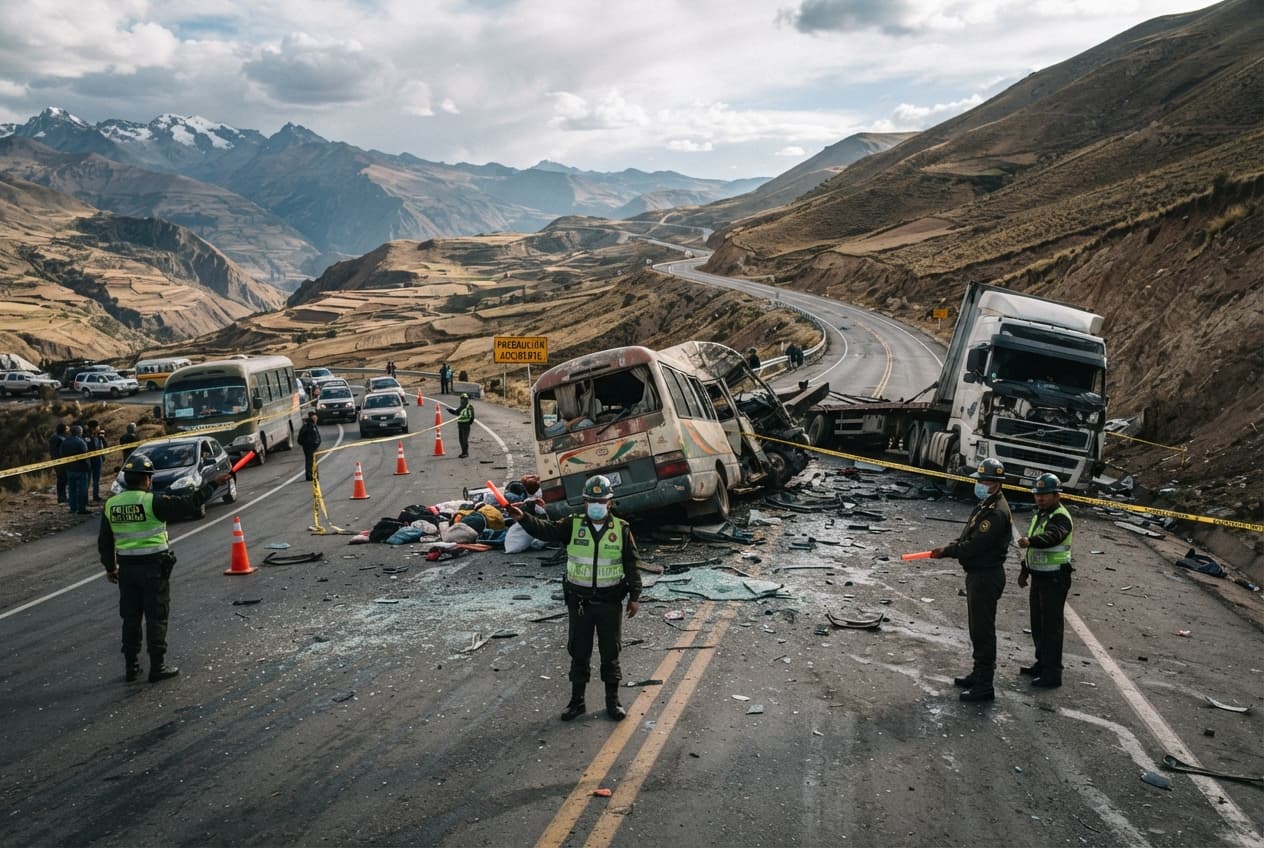
The pilgrimage was not without hardship. In November, near Houston, an escort vehicle was struck by a truck, seriously injuring several monks. One monk, the Venerable Maha Dam Phommasan, ultimately had a leg amputated, yet chose to rejoin the group near Washington, symbolizing resilience and acceptance in the face of adversity. These moments underscored the human dimension of a spiritual quest — that peace is not a destination untouched by challenge, but a resolve that persists despite it.
On Wednesday morning, the monks walked to the Peace Monument near Capitol Hill, followed by about 100 monks and nuns who had joined them for the final leg. Crowds lining the sidewalks waved peace signs and, in silence or soft greeting, thanked the walkers for their steadfast dedication. From George Washington University to the U.S. Capitol, the simplicity of the procession felt like a poetic counterpoint to the city’s pulse of power, an expression of mindful presence in a place where decisions about national life are made.
In the coming days the group planned to walk to the Lincoln Memorial, where a concluding gathering was expected to commemorate the end of their mission. The monks will later return to Texas, their spiritual pilgrimage woven now into the memories of those who watched, walked with or followed them from afar. It was, in every step, an unfolding quiet thought — that peace, like a ripple on water, begins with the calm within.
AI Image Disclaimer “Graphics are AI-generated and intended for representation, not reality.”
Media Names (sources, no URLs):
Associated Press Reuters PBS NewsHour Yahoo News UK (AP syndicated) The Guardian (earlier coverage)
Published by Banx Network. This article is part of the Banx decentralized media programme, powered by the BXE token on the XRP Ledger.