In the vast silence of space, collisions do not arrive with noise or suddenness, but with a slow unfolding of light and gravity. A galactic interaction within the broader Milky Way environment has been described as triggering bursts of stellar activity that resemble distant fireworks suspended in time.
Astronomers studying deep-sky observations from space telescopes have long known that galaxies are not static islands but dynamic systems shaped by interaction. When gravitational forces draw them together, gas clouds compress and new stars may ignite in visible clusters.
Recent analyses suggest that a smaller galactic structure interacting with regions of the Milky Way may be contributing to increased star formation activity. These events are not collisions in the everyday sense but extended gravitational encounters unfolding over millions of years.
The resulting stellar nurseries can appear as bright, concentrated regions of light when viewed through telescopes. These patterns help scientists map how matter moves and transforms across galactic environments.
Such interactions also provide insight into how galaxies like our own grow and evolve. The Milky Way itself bears signs of past mergers, preserved in stellar streams and orbital patterns that continue to shape its structure today.
Researchers emphasize that “fireworks” is a descriptive metaphor rather than a sudden explosive event. The processes involved are gradual, governed by gravity, density, and time scales far beyond human experience.
Still, these observations offer a reminder that the universe is not still. It is constantly reshaping itself, even when the changes unfold quietly across cosmic distances.
The galactic interaction serves as another chapter in the ongoing story of cosmic evolution, where even slow gravitational encounters can produce luminous and revealing transformations.
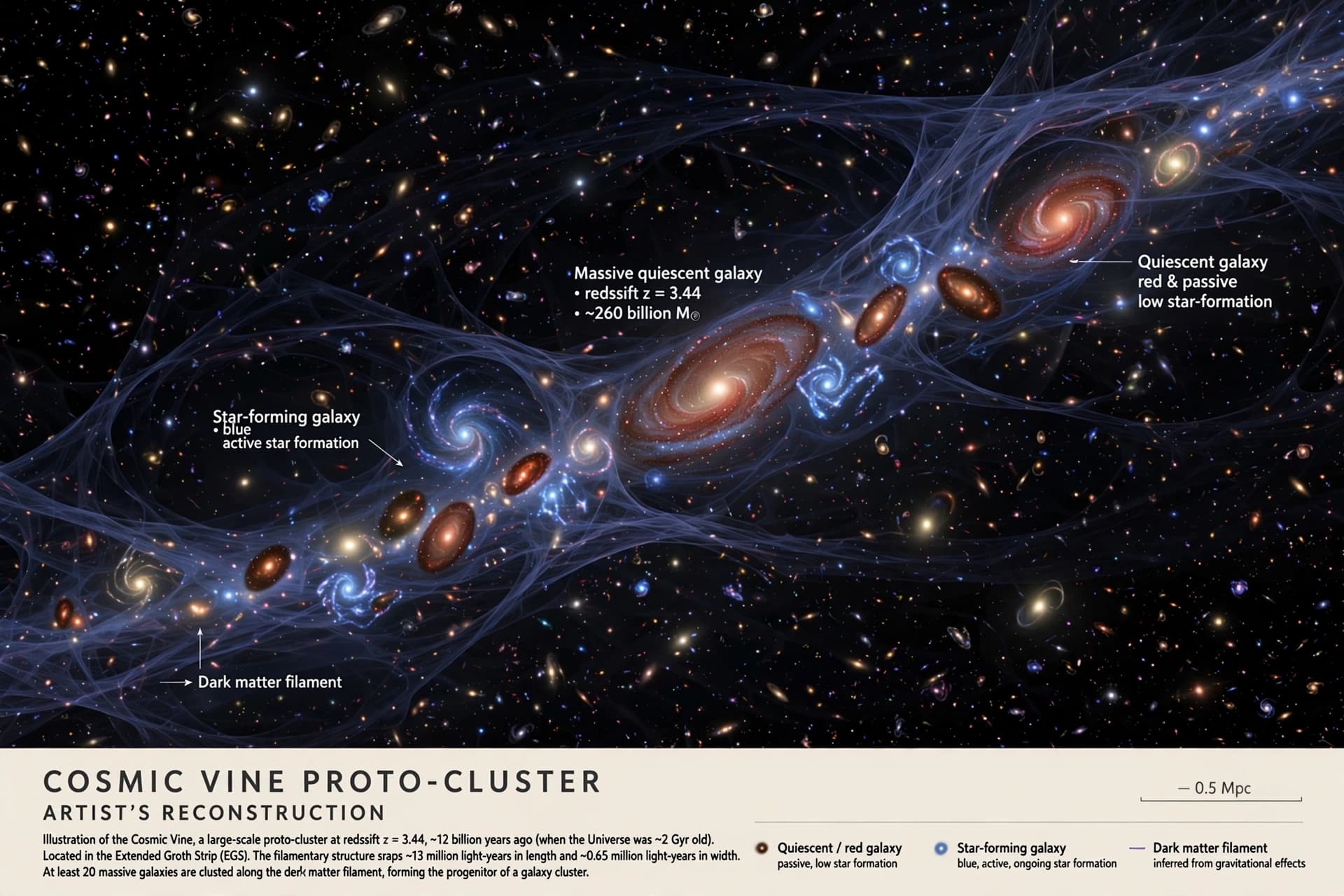
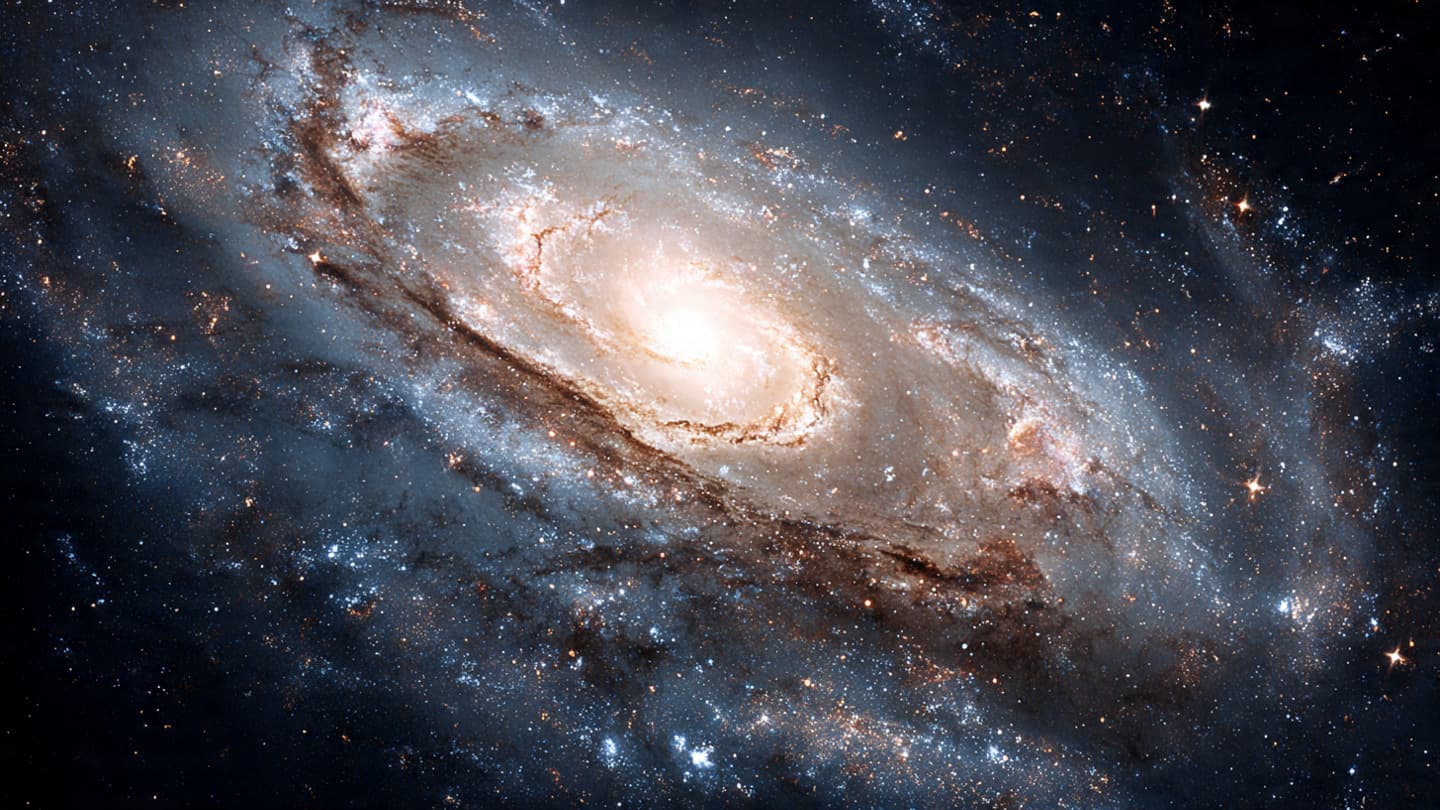
AI Image Disclaimer: Images are AI-generated illustrations intended to represent astronomical concepts and are not direct telescope captures.
Source Verification Check: NASA, ESA (European Space Agency), Hubble Space Telescope publications, Nature Astronomy, Astrophysical Journal
Published by Banx Network. This article is part of the Banx decentralized media programme, powered by the BXE token on the XRP Ledger.