Each spring, Barcelona becomes a city of illuminated screens. Along the wide avenues near the Fira Gran Via, banners ripple in the Mediterranean wind as engineers, executives, and journalists gather for the annual convergence known as the Mobile World Congress. For years, the rhythm has been familiar: thinner phones, brighter displays, faster chips. Progress measured in millimeters and milliseconds.
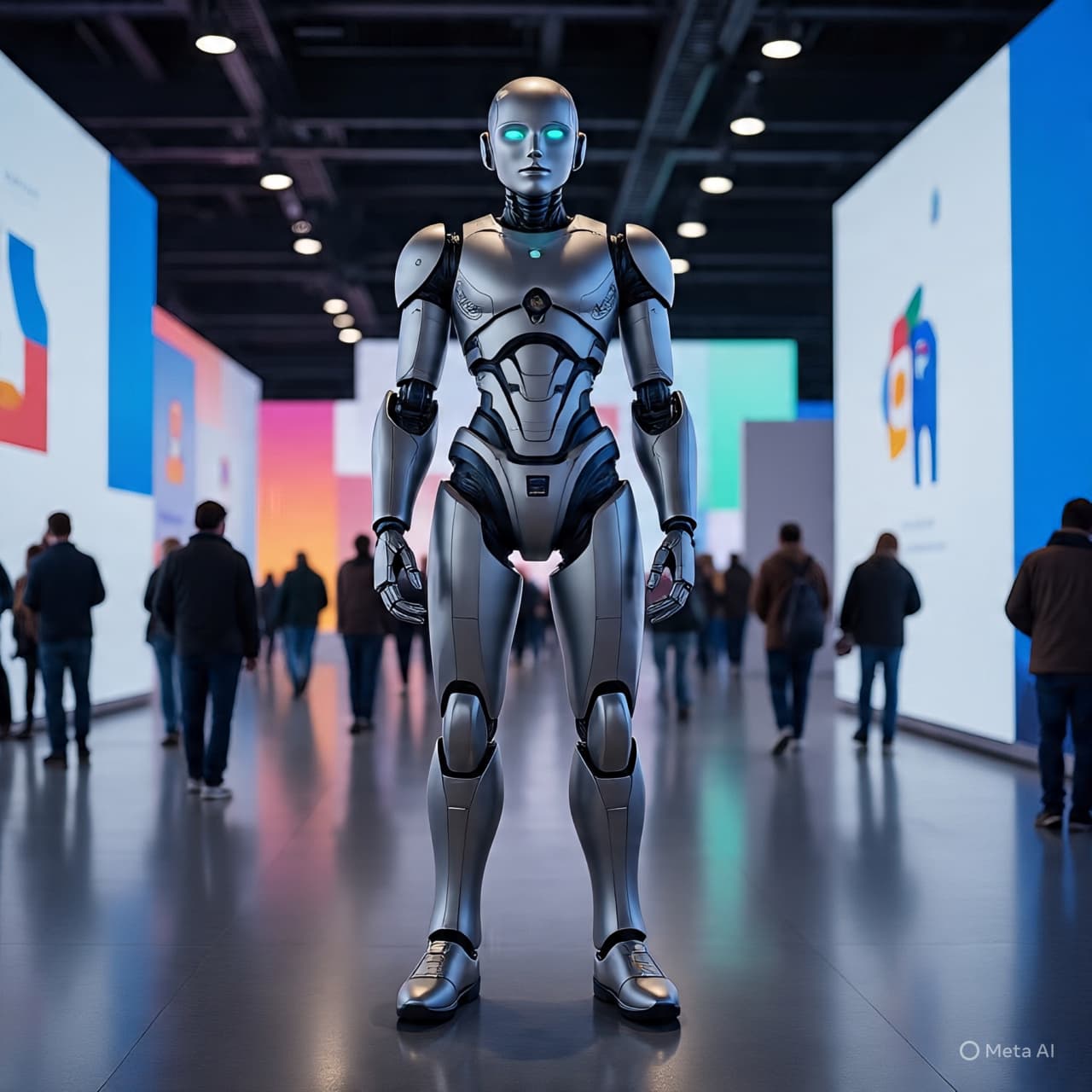
This year, something taller is expected to stand among the glass cases and demo tables.
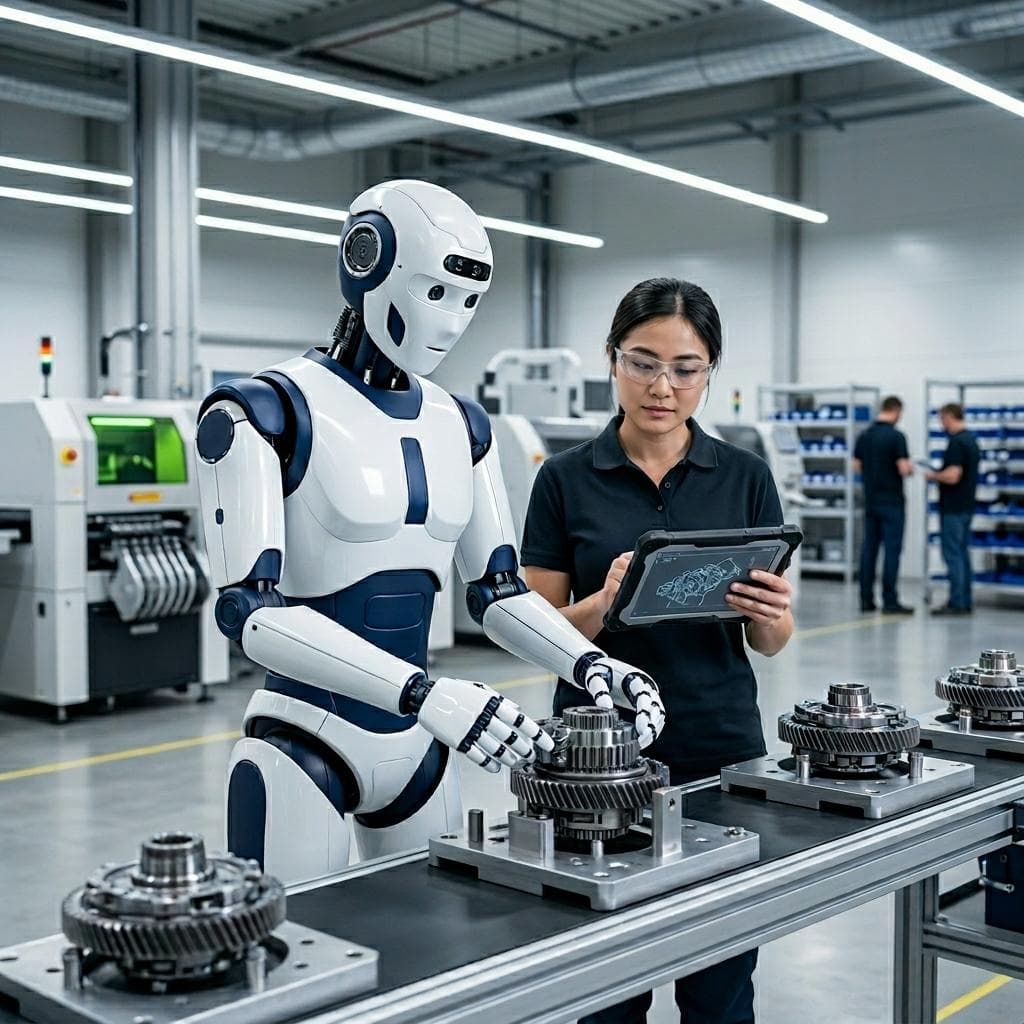
Honor, long recognized for its smartphones and connected devices, is bringing a humanoid robot to the exhibition floor. The move signals an expansion beyond handheld technology into embodied intelligence — a machine shaped in human outline, designed not to fit into a pocket but to occupy physical space.
Details about the robot’s full capabilities are still emerging, but its presence alone reflects a broader industry shift. Smartphone manufacturers are increasingly positioning themselves as ecosystem builders, integrating artificial intelligence, cloud services, wearables, and now robotics into unified platforms. In this landscape, a humanoid form becomes both symbol and experiment — a demonstration of how software intelligence can animate hardware in three dimensions.
Mobile World Congress has gradually evolved from a telecommunications showcase into a stage for wider technological ambition. Automakers unveil connected dashboards; chipmakers outline AI roadmaps; robotics firms demonstrate autonomous mobility. Against this backdrop, Honor’s decision to present a humanoid machine suggests an attempt to reposition its brand narrative — from device maker to innovation architect.
Humanoid robots, once confined to research labs and speculative fiction, have gained renewed attention as advances in AI models, sensors, and actuators converge. The promise is not merely mechanical motion, but contextual awareness: machines that can interpret environments, respond to voice commands, and interact with people in ways that feel intuitive.
Yet exhibition floors are environments of choreography. Demonstrations are carefully staged, interactions rehearsed. The true test for such machines lies beyond the spotlight — in durability, scalability, and real-world application. Whether designed for domestic assistance, service industries, or research purposes, humanoid robotics remains a field balancing aspiration with engineering complexity.
For Honor, the unveiling may serve as both technological statement and strategic signal. As smartphone markets mature and global competition intensifies, diversification becomes essential. Robotics, particularly when paired with proprietary AI systems, offers a pathway toward differentiated ecosystems.
There is also a symbolic resonance in choosing Barcelona as the setting. Mobile World Congress has historically marked inflection points in mobile technology — the rise of 4G, the debut of foldable displays, the acceleration of on-device AI. Introducing a humanoid robot at such a venue suggests a widening of scope: mobility no longer defined solely by connectivity, but by movement itself.
On the exhibition floor, among the glow of OLED screens and the hum of translation headsets, a humanoid silhouette may draw cameras and curious onlookers. Its gestures — however precise — will represent more than mechanical engineering. They will reflect an industry searching for its next horizon.
In the steady march of innovation, devices have grown smaller, lighter, more seamless. Now, in an unexpected inversion, technology appears to be growing limbs
Published by Banx Network. This article is part of the Banx decentralized media programme, powered by the BXE token on the XRP Ledger.