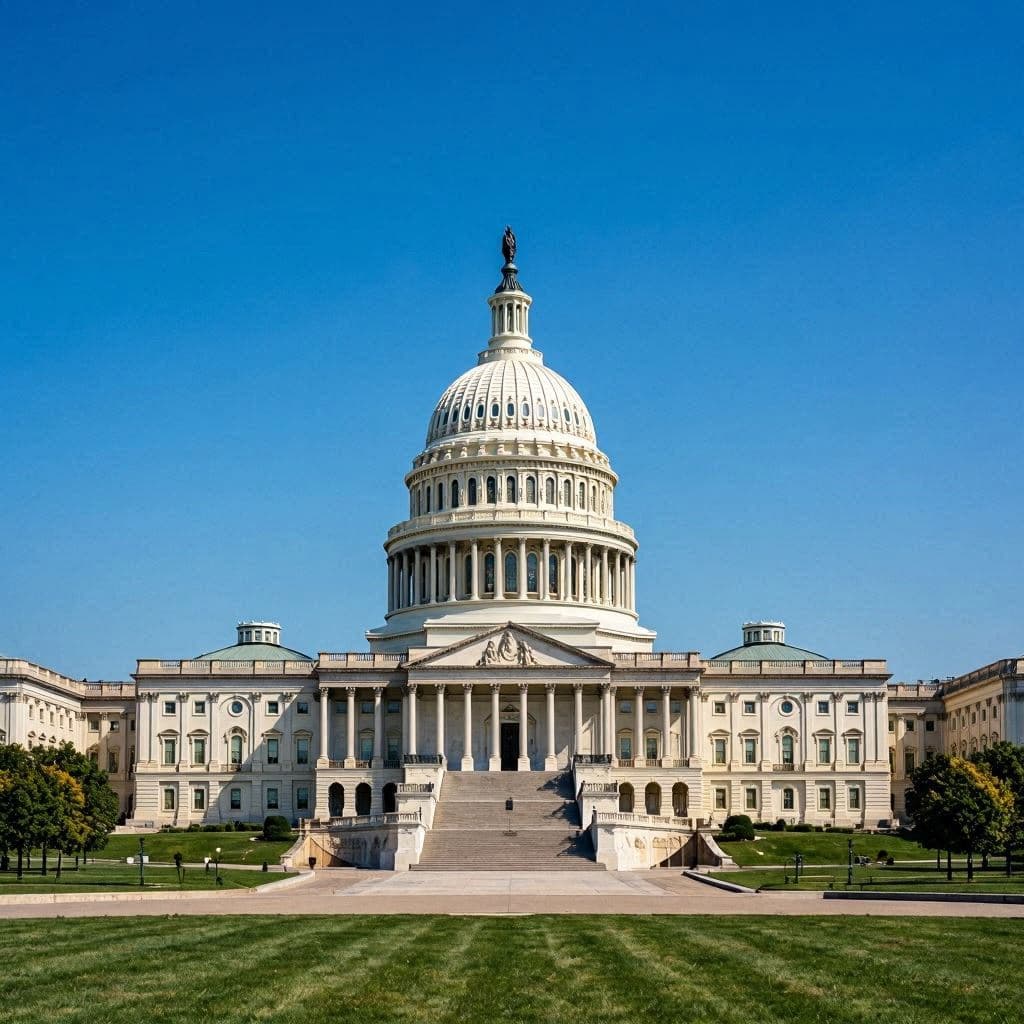
In the intricate dance of international diplomacy, alliances are often tested by the shifting sands of domestic politics and global conflict. Recently, top House Democrats have declared their firm opposition to any legislative efforts aimed at cutting United States military aid to Israel. This stance is not merely a procedural vote; it is a reaffirmation of a long-standing strategic partnership that has defined American foreign policy for decades. It invites reflection on the delicate balance between moral imperatives, strategic interests, and the political complexities of supporting a nation amidst intense regional turmoil.
Body: The declaration comes amid growing debate within the Democratic Party regarding the scale and conditions of U.S. support for Israel. While some progressive members have called for restrictions or pauses in aid due to humanitarian concerns in Gaza, party leadership remains steadfast in its commitment to Israel’s security. This unity among top Democrats signals a prioritization of traditional alliance structures over emerging internal pressures. It underscores the belief that maintaining strong defensive capabilities for allies is crucial for regional stability.
For Israel, this political backing provides a sense of continuity and reassurance during a period of unprecedented challenge. The promise of uninterrupted military aid ensures that logistical and operational planning can proceed without the uncertainty of potential funding gaps. It reinforces the message that the United States remains a reliable partner, even as global dynamics evolve and other crises compete for attention and resources.
However, the decision is not without its critics. Human rights advocates and some constituents argue that unconditional aid may undermine efforts to promote peace and accountability. They contend that leverage should be used to encourage diplomatic solutions and adherence to international law. This tension highlights the difficulty of balancing immediate security needs with long-term ethical goals. It is a dialogue that requires nuance and empathy for all affected parties.
The geopolitical context adds layers of complexity. With tensions rising across the Middle East, including threats from Iran and its proxies, the strategic value of Israel as a stable democratic ally is emphasized by proponents of continued aid. They argue that weakening Israel’s defenses could embolden adversaries and destabilize the region further. This perspective views military support as a deterrent against broader conflict.
Legislatively, the vow to oppose cuts simplifies the path for upcoming budget negotiations. By presenting a unified front, Democratic leaders aim to prevent partisan gridlock from disrupting critical foreign policy objectives. This coordination with Republican counterparts, who generally support robust aid to Israel, suggests a rare area of bipartisan consensus. It demonstrates that certain foundational alliances transcend typical political divides.
Public opinion on the issue remains divided, reflecting the broader societal debate over the conflict. Polls show varying levels of support depending on demographic and ideological lines. Navigating this landscape requires careful communication from elected officials, who must explain their rationale while acknowledging the diverse views of their constituents. Transparency and engagement are key to maintaining trust.
As the legislative process moves forward, the focus will remain on the specifics of aid packages and any attached conditions. While the core commitment stands, discussions about oversight and end-use monitoring continue. These mechanisms ensure that assistance aligns with U.S. values and legal standards. It is a framework designed to balance support with responsibility.
Closing: In the end, the opposition to cutting military aid to Israel reflects a deep-seated commitment to a historic alliance. It highlights the enduring nature of strategic partnerships in American foreign policy. As debates continue, the hope is that decisions will lead to greater stability and peace in the region, honoring both security needs and humanitarian values.
AI Image Disclaimer: Please note that any accompanying visuals for this narrative are artificially generated interpretations meant to evoke the spirit of the story, not documentary evidence.
Sources: The Hill Politico Reuters
Published by Banx Network. This article is part of the Banx decentralized media programme, powered by the BXE token on the XRP Ledger.