In the softly humming halls of the Johannesburg summit, the world’s leaders came together in a way that felt both familiar and surprising — like a river that, after years of drought, finally finds its way back into its banks. South Africa, hosting its first G20, managed to navigate stormy waters and bring nearly the entire group into a 122-point declaration, all while ignoring Washington’s warnings and absence.
For many, this outcome is less about grand declarations and more about a quiet assertion: multilateralism still matters. The United States, this year’s most powerful G20 member, skipped the summit entirely. Yet, despite that absence—and even with Argentina also opting out—the rest of the group stood firm. Their decision to issue a joint declaration at the start of the summit, rather than at the end as tradition dictates, is symbolic: a preemptive sign that global cooperation won’t wait on any one country.
South Africa pushed hard for a declaration that went beyond empty words. The text addresses debt relief, climate resilience, renewable energy, and the establishment of a global panel on inequality. These aren’t just developing-country asks. They reflect long-standing global challenges that have grown more urgent: can rich and poor nations truly share a vision for climate justice? Can multilateral institutions evolve to reflect rising demands for equity? As South Africa’s Foreign Minister, Ronald Lamola, put it, the adoption of the declaration is “a victory for multilateralism.”
Observers are calling it a moment of reclamation. For years, critics have said that summitry like the G20 no longer produces anything meaningful. This gathering suggests otherwise: when given enough political will, leaders can still find common ground.
But the victory is delicate. The White House reportedly accused South Africa of “weaponizing” its presidency by going ahead without U.S. buy-in, arguing it undermines the G20’s consensus-based traditions. And some warn that with the U.S. slated to lead the next G20, much of this declaration’s ambition could be at risk — especially if Washington narrows the G20’s agenda in its presidency.
Even so, many of the delegates saw the gathering as more than just a policy win: it was a reset of sorts. According to one, they could have chosen to appease or to stand firm — and they chose the latter. That choice, in a fractured world, is quietly powerful.
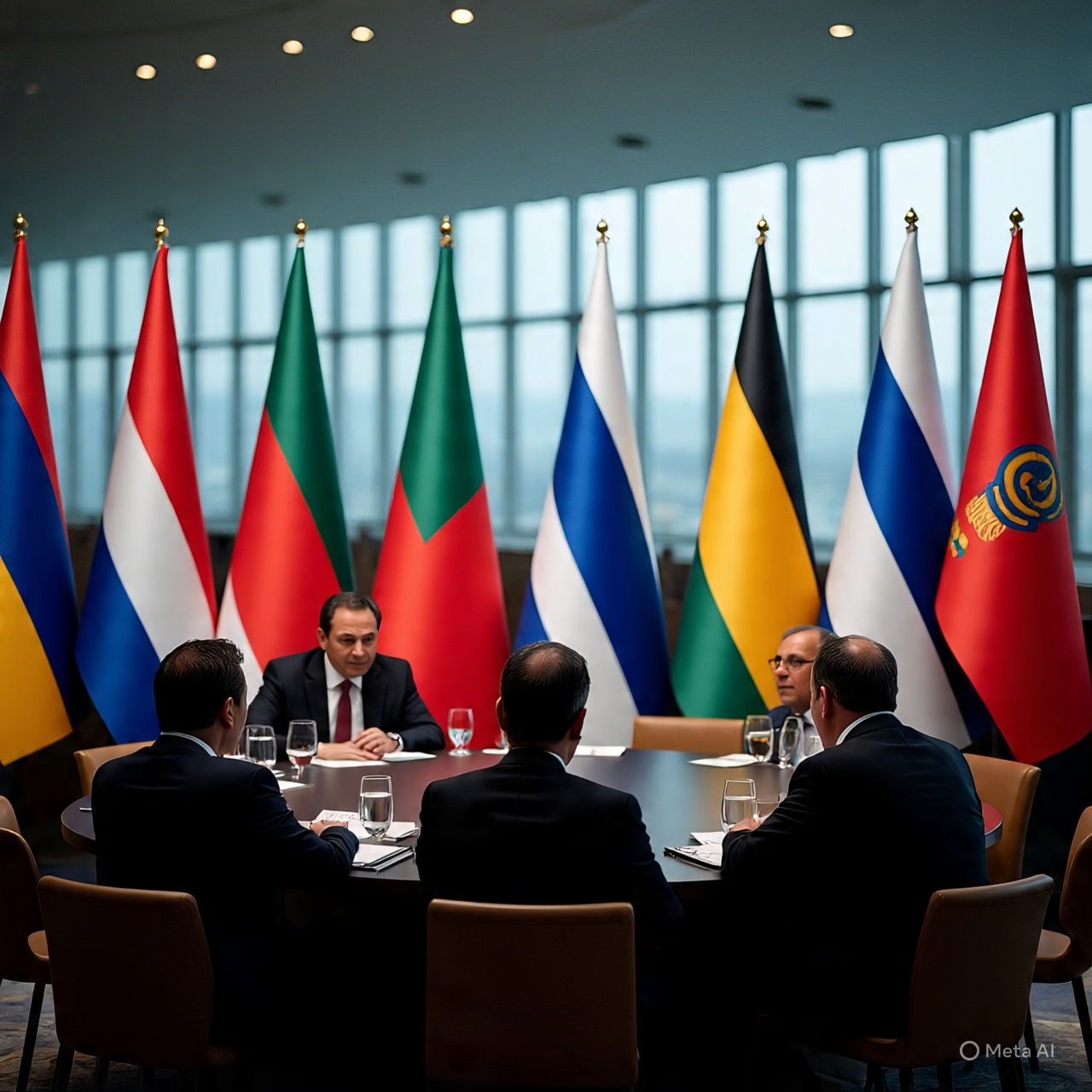
AI Image Disclaimer: “Visuals are created with AI tools and serve as conceptual illustrations, not real photographs.”
Published by Banx Network. This article is part of the Banx decentralized media programme, powered by the BXE token on the XRP Ledger.