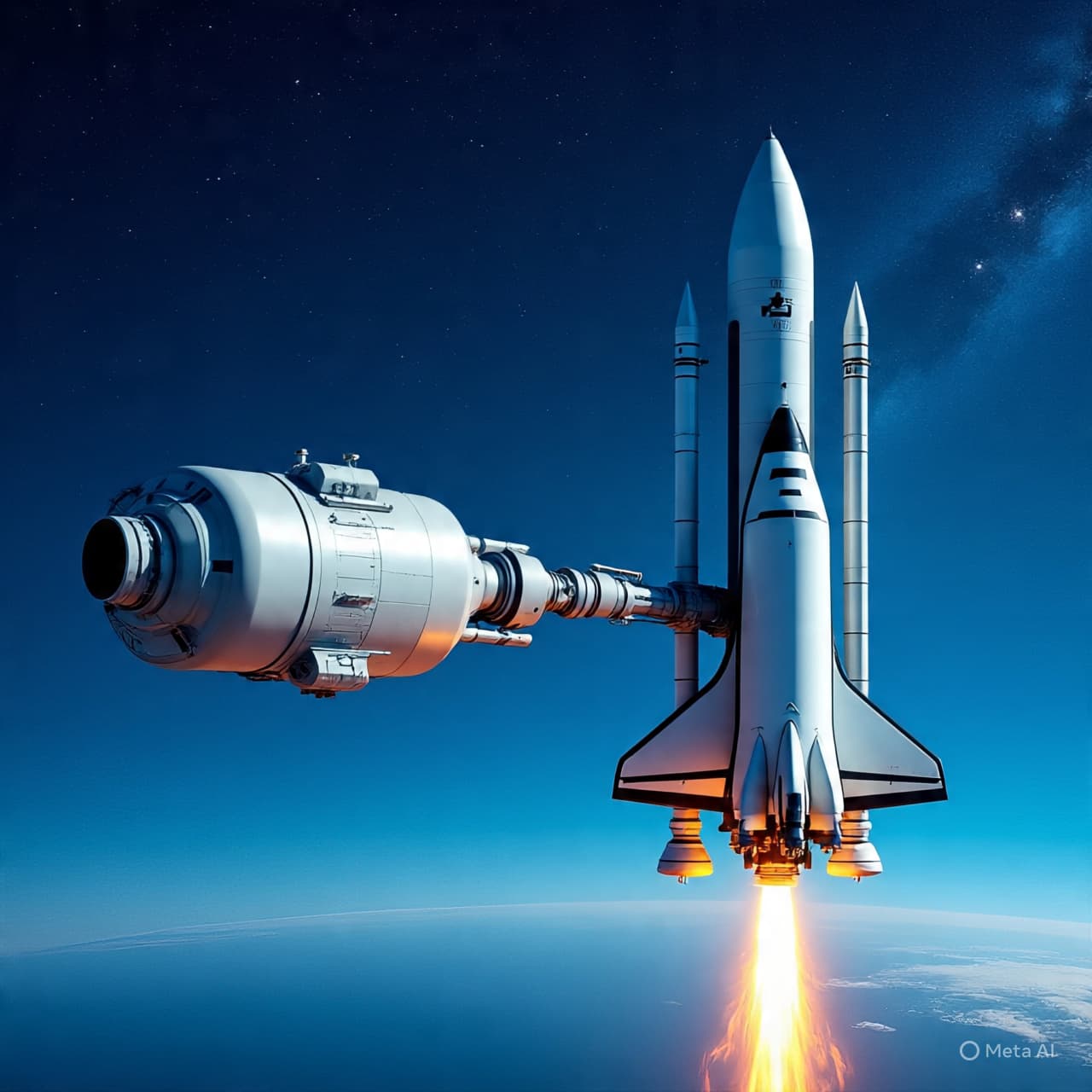
In the soft glow of Earth’s horizon, a promise was made—one that stretched toward the dusty plains of the Moon. NASA’s Artemis program, riding on the hopeful shoulders of SpaceX’s Starship, envisioned a return of humans to lunar soil, a delicate bridge between aspiration and reality. But now, that bridge seems to be shifting, its beams creaking under technical hurdles and schedule slips, leaving NASA in a quiet moment of reflection: perhaps we must wait a little longer.
At the heart of the delay lies the Starship Human Landing System (HLS), the very vessel meant to carry astronauts to the Moon’s surface. SpaceX’s ambitious design includes in-orbit refueling—a logistical ballet never before done at this scale. Yet, the timeline for this complex choreography has stretched. Key milestones have been delayed by many months, according to a GAO report, raising doubts about the readiness of Starship for a crewed landing.
Compounding the pressure, NASA’s own oversight bodies have sounded cautious. The Office of Inspector General points out that until Starship proves its ability to refuel in orbit and undergo uncrewed demonstration flights, a crewed mission remains risky.
In response, NASA appears to be reconsidering its reliance on a single provider. Acting Administrator Sean Duffy has floated the reopening of the Artemis III lander contract, signaling a willingness to invite other companies—like Blue Origin—to present competing lunar-landing plans. This is not a judgment so much as a pragmatic pivot: in the cosmic race to the Moon, time is both an ally and a rival.
The delays also carry larger implications. NASA’s Artemis schedule has shifted: the next crewed mission around the Moon (Artemis II) is now projected for 2026, and the long-awaited Artemis III landing may not happen until 2027 or later, depending on how Starship’s development evolves. Such slippages ripple through the ambitious architecture of lunar exploration, from Gateway plans to surface missions, and even to the agency’s broader vision of extending humanity into deep space.
Still, amidst the uncertainty, NASA’s posture remains steady: safety first. As Bill Nelson, NASA’s administrator, has emphasized, the agency won’t rush astronauts into space before the systems are truly ready. In this way, the delay is less a failure than a cautious recalibration, a remembering that exploration is not just about speed—but about survival.
AI Image Disclaimer (Rotated) “Illustrations are generated by AI as conceptual depictions and do not represent real photographs.”
Sources Space.com GAO (U.S. Government Accountability Office) NASA Office of Inspector General The Guardian Forbes
Published by Banx Network. This article is part of the Banx decentralized media programme, powered by the BXE token on the XRP Ledger.