There’s a hum in the air — a low, powerful rumble that announces the return of a trailblazer. After a brief pause, SpaceX's Falcon 9 rockets are once again streaking across the sky, carrying the promise of a more connected world. The familiar sight of a Falcon 9 launch is a moment of anticipation, like the first rays of dawn breaking through a long night. Each launch is more than just a spectacle; it’s a step forward in the quiet revolution that is reshaping global communication. With the recent Starlink satellite launch from California, SpaceX not only resumes its frequent Falcon 9 missions but also continues its vision of bridging the vast distances of Earth’s digital divide. As the rocket ascends, it takes with it a constellation of satellites — each one bringing the future of high-speed internet to places once beyond reach.
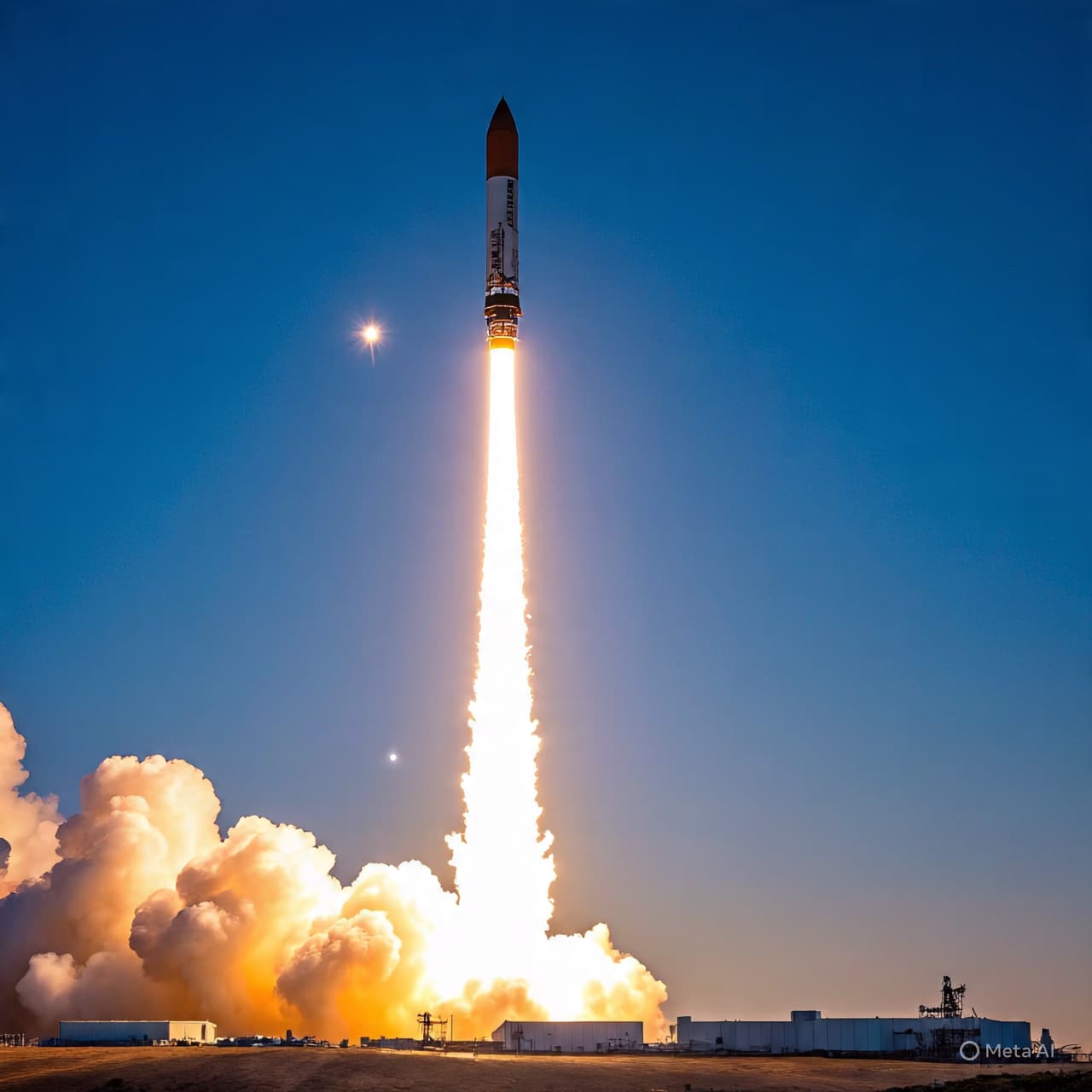
In a dazzling return to form, SpaceX has resumed Falcon 9 flights with the successful launch of a batch of Starlink satellites from California's Vandenberg Space Force Base. This marks a significant milestone for both the company and the ongoing expansion of SpaceX’s satellite internet service. The Falcon 9 rocket lifted off with a pristine display of power, sending another 60 Starlink satellites into low Earth orbit, where they will soon join a growing constellation designed to provide global internet coverage.
The Starlink project, which aims to provide high-speed broadband to underserved regions of the world, has become a cornerstone of SpaceX’s mission. Each successful launch brings more satellites into orbit, moving the company closer to its goal of creating a robust, worldwide network. What began as a bold vision just a few years ago is rapidly becoming a reality, with thousands of satellites already in place and more to come.
SpaceX’s Falcon 9 rocket, known for its reusability, has become synonymous with cost-effective space exploration. The rocket’s ability to return to Earth, land vertically, and be refurbished for future missions has drastically reduced the cost of launching payloads into space. This has been a game-changer for both SpaceX and the space industry at large, allowing for more frequent missions and a steady flow of Starlink satellites into orbit.
The launch itself was executed with the precision that has become a trademark of SpaceX. The rocket’s first stage successfully landed on the drone ship in the Pacific Ocean, ensuring that the company could reuse the vehicle for future launches. Meanwhile, the second stage deployed the Starlink satellites into their designated orbits, where they will begin communicating with ground stations and each other to create a mesh network.
This resumption of flights comes at a time when global demand for reliable internet is higher than ever, with millions of people still lacking access to high-speed connections. Starlink has already begun delivering broadband in remote areas, including parts of rural America and even areas devastated by natural disasters. As the constellation grows, it is poised to offer even more robust coverage, reaching places where traditional internet infrastructure has struggled to keep up.
For SpaceX, this launch is a testament to the company’s ability to innovate and adapt. Despite the challenges of the pandemic and other global disruptions, SpaceX has maintained an impressive cadence of launches, staying on track with its ambitious goals. With Starlink, SpaceX not only aims to revolutionize the way we connect to the internet but also reimagine how the future of space exploration could unfold.
As Falcon 9 rockets continue their ascent into the skies, they carry with them the promise of a more connected world. Each launch, like this latest Starlink mission, represents not just a technical achievement, but a vision of the future — one where access to information is universal, no matter how remote or isolated the location. SpaceX’s success with its reusable rocket technology and Starlink satellites is proof that innovation, when paired with determination, can break down the barriers that limit us. As we look to the stars, we see a future where the vast distances of space might be bridged by the connections we make on Earth.
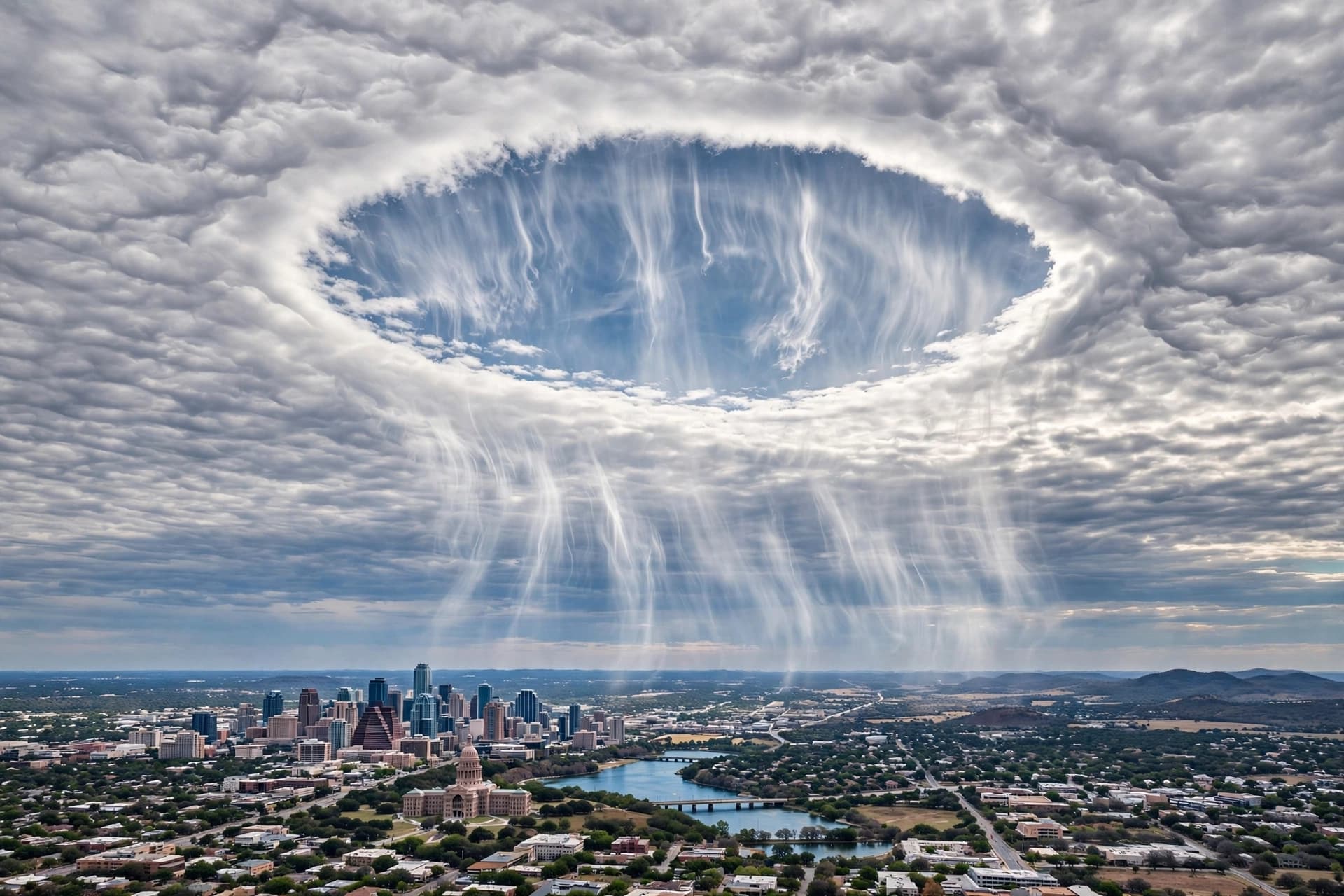
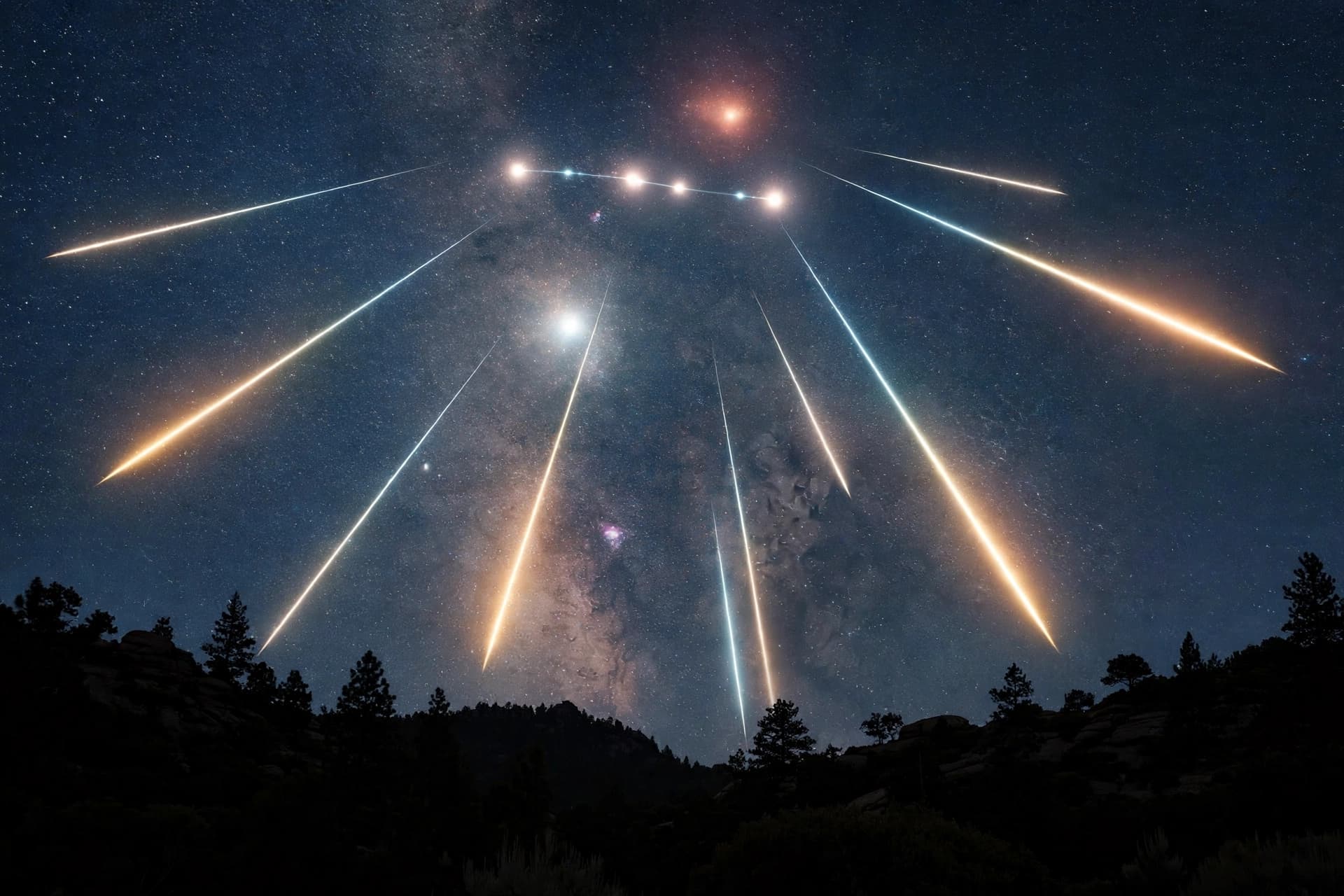
AI Image Disclaimer: "Images in this article are AI-generated illustrations, meant for concept only." "Visuals are created with AI tools and are not real photographs." "Illustrations were produced with AI and serve as conceptual depictions." "Graphics are AI-generated and intended for representation, not reality." Sources: SpaceX The Verge Reuters BBC News NASA Space Flight
Published by Banx Network. This article is part of the Banx decentralized media programme, powered by the BXE token on the XRP Ledger.