

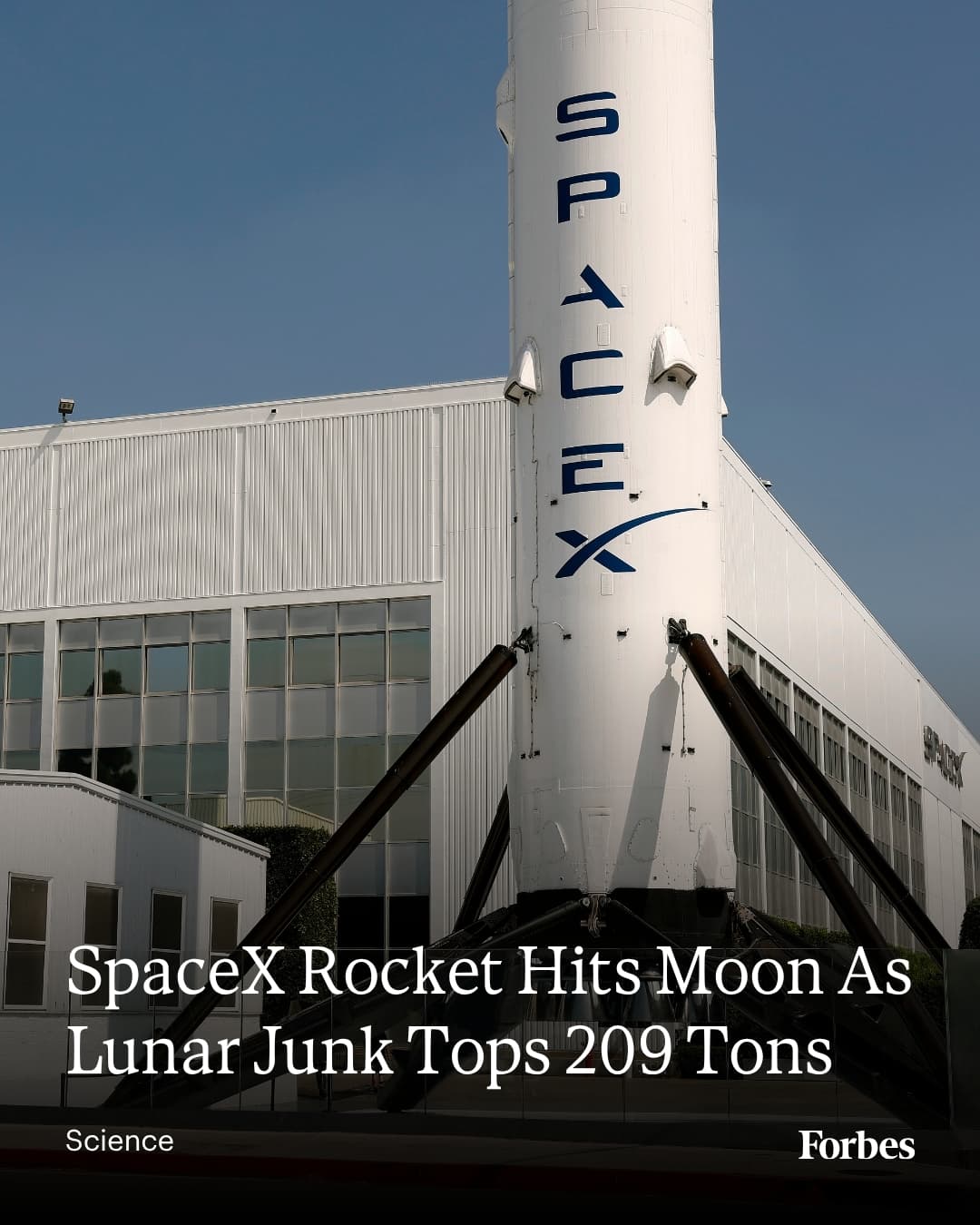
Key Highlights
- Strong Performance:SpaceX reported robust financial results for Q2 2026.
- Launch Cadence:The company maintained a high launch frequency, supporting various missions.
- Starlink Growth:Continued expansion of the Starlink satellite internet service.
SpaceX reported another strong quarter in Q2 2026, reinforcing its position as one of the world's leading commercial aerospace companies. The company's continued success reflects growing demand for launch services, satellite deployment, Starlink expansion, and government missions, while sustained investment in reusable rocket technology continues improving operational efficiency.
Throughout the quarter, SpaceX maintained a high launch cadence, supporting commercial customers, national security missions, and scientific research. Frequent launches have become one of the company's greatest competitive advantages, allowing it to reduce costs while increasing reliability through repeated use of Falcon rockets. This operational strategy has not only enhanced SpaceX's reputation but also solidified its market position against competitors.
Starlink remains another major growth driver for SpaceX. The satellite internet network continues expanding globally, adding new subscribers and increasing coverage across underserved regions. Revenue generated from Starlink helps diversify SpaceX beyond launch services, creating recurring income that can support future projects, including Starship development and deep-space exploration. The integration of Starlink into SpaceX's business model exemplifies a forward-thinking approach to revenue generation in the aerospace sector.
Investment in Starship also continued during the quarter. The next-generation launch vehicle is expected to play a central role in future lunar missions, Mars exploration, and ultra-heavy cargo transportation. Although development remains technically challenging, progress continues through iterative testing and engineering improvements. This ambitious project underscores SpaceX's commitment to pioneering advancements in space travel and exploration.
Operational efficiency has been enhanced by reusable rocket technology, enabling boosters to fly multiple missions while reducing manufacturing costs. This approach has fundamentally changed the economics of spaceflight and strengthened SpaceX's competitive position within the global launch market. The ability to reuse rockets not only lowers costs but also accelerates the pace of launches, further solidifying SpaceX's leadership in the industry.
The broader commercial space industry is experiencing significant growth as governments and private companies increase investment in satellite communications, Earth observation, scientific research, and national security infrastructure. SpaceX remains one of the primary beneficiaries of this expansion due to its established launch capabilities and vertically integrated business model. As the demand for space-based services continues to rise, SpaceX is well-positioned to capitalize on these trends.
Looking ahead, analysts expect continued growth driven by Starlink, increased launch demand, and ongoing Starship development. As space infrastructure becomes increasingly important for communications, defense, and global connectivity, SpaceX is poised to remain one of the industry's most influential companies, shaping the future of aerospace and exploration.
Published by Banx Network. This article is part of the Banx decentralized media programme, powered by the BXE token on the XRP Ledger.




