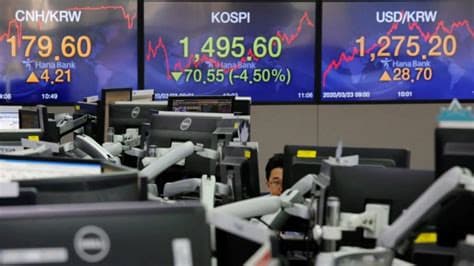
On February 1, 2026, South Korea's Kospi index witnessed a dramatic fall of over 4%, compelling regulators to implement a temporary halt in trading. The index's alarming decline was marked by losses among key heavyweights, with SK Hynix and Samsung Electronics suffering declines of 6.66% and 5.55%, respectively.
This volatility was not isolated; across the region, stock markets reflected a pessimistic sentiment among investors. The Kosdaq, a smaller cap index, dropped 4.45%, further signifying broader economic anxiety. These movements were part of a larger trend in the Asia-Pacific markets on that day, as traders reacted to lingering concerns regarding China's economic recovery and potential impacts on global demand.
Reports regarding China's manufacturing sector also contributed to the unease. Although data released indicated a modest uptick in factory activity, it failed to alleviate fears about the underlying economic conditions in the region. Investors were particularly attuned to these reports as they assessed potential ripple effects on South Korea's export-driven economy.
In response to this market downturn, trading was suspended temporarily under a mechanism known as the “sidecar”, which is triggered by significant drops in stock prices. This pause aimed to reduce panic selling and allow market participants to stabilize their positions.
The recent trading episode underscores the sensitivity of South Korea's markets to both domestic economic indicators and international developments, particularly those linked to major trading partners like China. As the markets remain volatile, investors are likely to closely monitor forthcoming economic data and geopolitical developments to gauge the path ahead.
Market analysts caution that while this may represent a temporary setback, ongoing global economic uncertainties will likely continue to influence market sentiment in the weeks to come.
Published by Banx Network. This article is part of the Banx decentralized media programme, powered by the BXE token on the XRP Ledger.