Economic growth can look impressive in national statistics while feeling distant from the daily lives of households. Factories may receive more orders, export terminals may become busier, and companies may invest in new equipment, even as consumers remain cautious about spending.
South Korea’s economy expanded by 1% in the third quarter of 2026 compared with the previous quarter, according to advance estimates released by the Bank of Korea on October 27. The result exceeded economists’ expectations of 0.7% and accelerated from the 0.6% growth recorded in the second quarter.
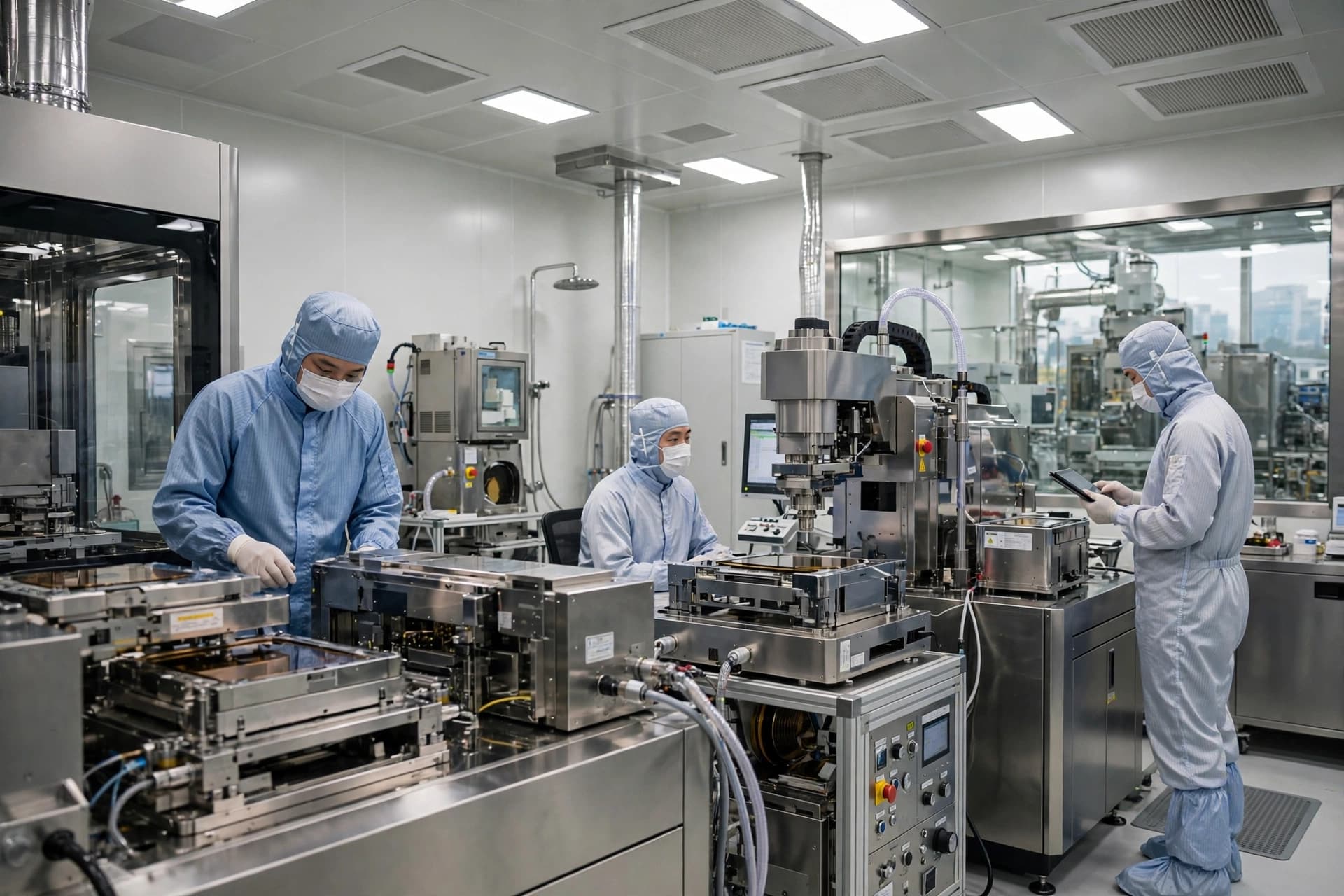
The strongest contribution came from the semiconductor industry, which has benefited from worldwide investment in artificial intelligence. Chips are essential components in data centers and advanced computing systems, making South Korean manufacturers important suppliers to companies expanding their AI infrastructure.
The Bank of Korea estimated that semiconductors accounted for approximately half of the country’s economic growth during the quarter. Exports rose 2.3%, supported by demand for semiconductors, machinery, and electrical equipment. Investment in facilities increased 4.1%, led by spending on machinery used in semiconductor manufacturing.
The momentum also appeared in the country’s trade figures. South Korea’s exports exceeded $800 billion during the first nine months of 2026, surpassing its previous full-year record. The country was on track to reach $1 trillion in annual exports, although that milestone remained a projection rather than a completed result.
Yet the domestic economy showed a different pattern. Private consumption fell 0.2% in the third quarter, marking its first decline in nearly four years. The weakness reflected several pressures, including reduced financial services activity amid a stock-market decline and lower vehicle purchases during strikes at major automakers.
This contrast highlights a challenge for export-oriented economies. Strong demand from international customers can support production, investment, and company revenues, but the benefits may not immediately spread to households. Workers and consumers experience economic growth through employment, wages, prices, borrowing costs, and confidence about the future.
The semiconductor boom also creates a concentration risk. If global demand for AI infrastructure remains strong, Korean chipmakers may continue supporting exports and investment. If technology companies slow their spending or chip prices weaken, the country’s reliance on this sector could make overall growth more vulnerable.
The Bank of Korea maintained interest rates following increases in July and September, while taking a more optimistic view of the economy’s growth prospects. Even so, the outlook for household consumption remained more cautious than the export picture.
South Korea’s third-quarter figures therefore tell two stories at once: an industrial economy gaining momentum from the global AI boom, and households still waiting for that strength to translate into broader domestic recovery. The coming quarters will show whether export success can sustain investment while supporting more balanced growth.
### Image Disclaimer
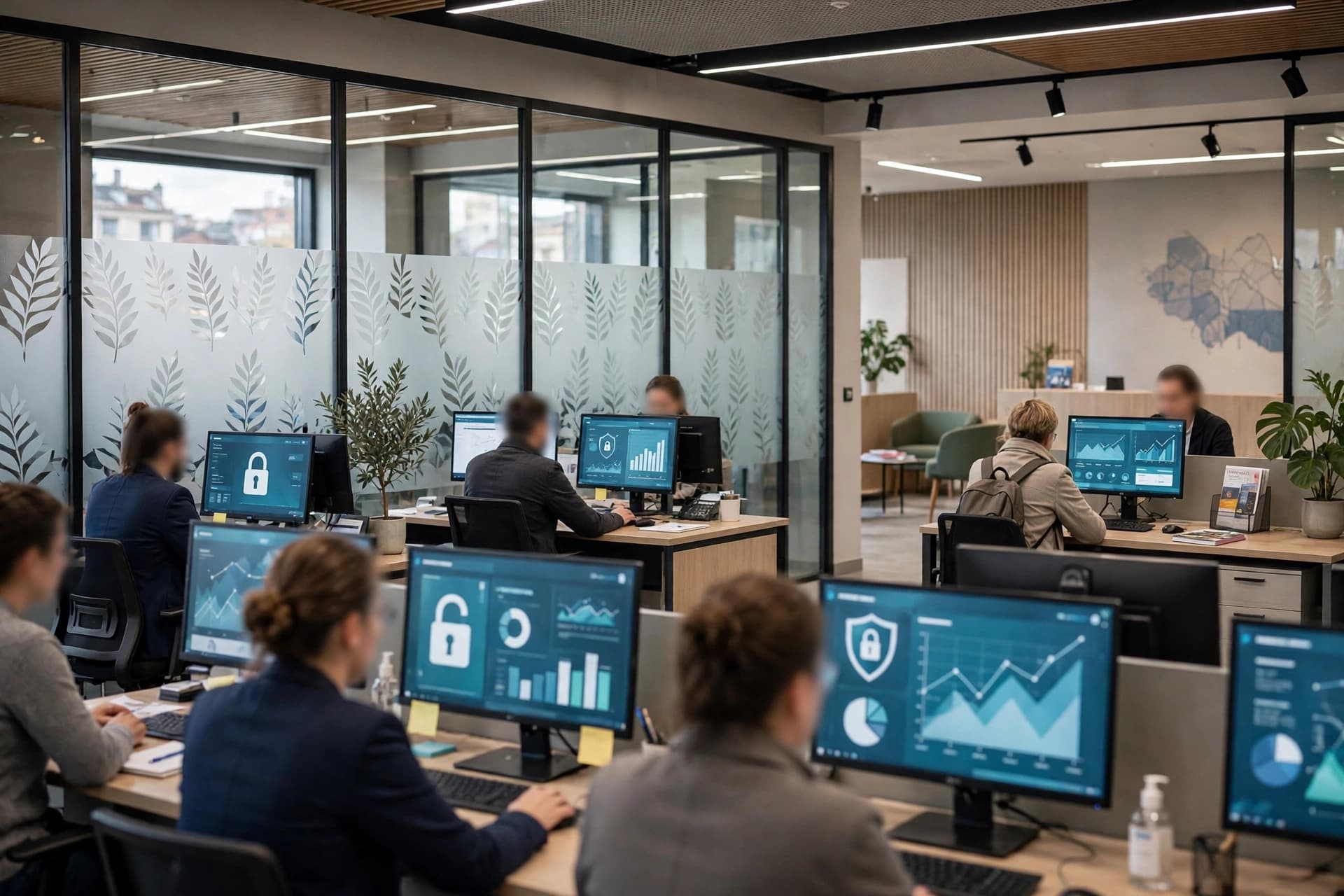
The illustrations are conceptual depictions of South Korea’s economy, semiconductor production, and export activity. They do not represent actual economic data visualizations or specific company facilities.
### Sources
• Reuters
• Bank of Korea
Published by Banx Network. This article is part of the Banx decentralized media programme, powered by the BXE token on the XRP Ledger.