As of January 27, 2026, South Carolina is grappling with a severe measles outbreak that has now reached 789 confirmed cases, making it the largest in the United States since measles was declared eliminated in 2000. This alarming increase includes 89 new cases reported within just a few days, indicating that the situation is not under control.
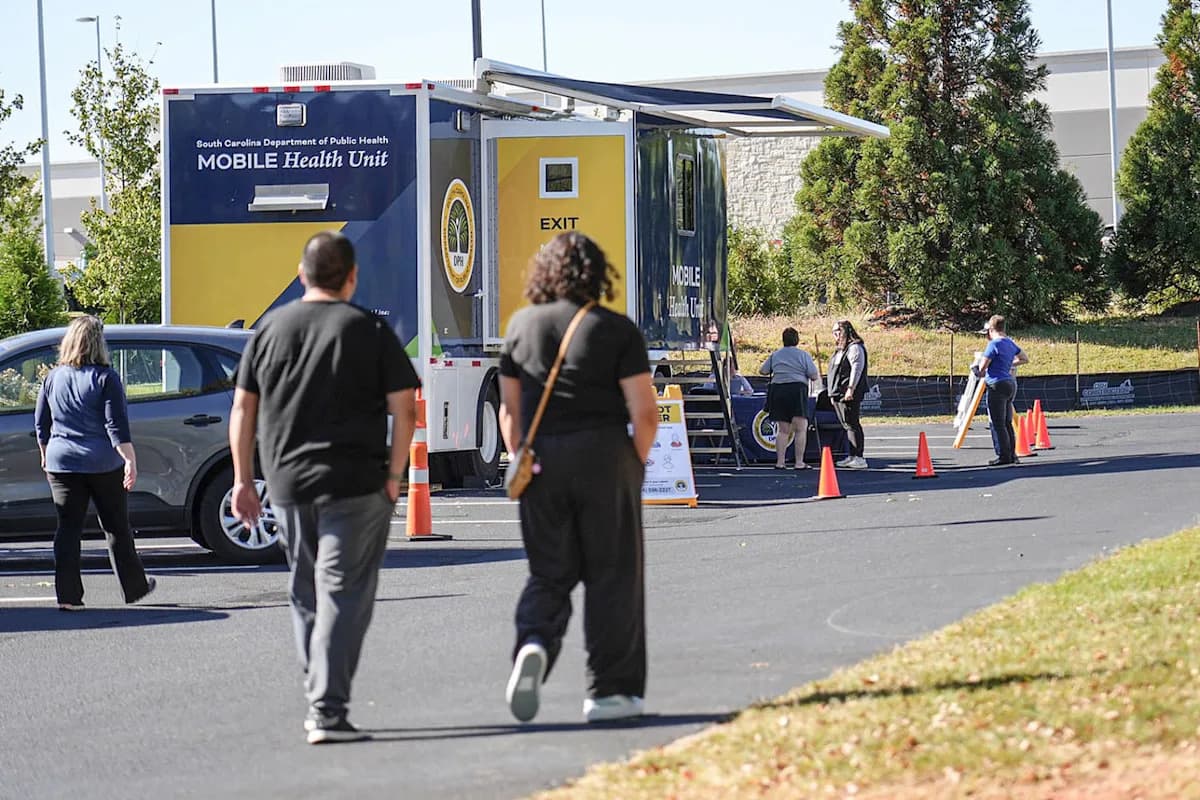
The outbreak is concentrated primarily in Spartanburg County, where many of those affected are individuals who are either unvaccinated or unaware of their vaccination status. The South Carolina Department of Public Health (DPH) reports that about 557 people are currently in quarantine, including students from various educational institutions.
Dr. Zack Moore, the state epidemiologist for North Carolina, has expressed concern over the outbreak's potential reach, especially as confirmed cases have emerged in neighboring states, including 14 cases in North Carolina linked directly to South Carolina. Areas with low vaccination rates are particularly vulnerable, with certain schools reporting vaccination rates as low as 60%.
The DPH has noted that public exposure sites have increased, suggesting active circulation of the measles virus within the community. This outbreak underscores ongoing challenges with vaccination compliance, as many families are choosing not to vaccinate for personal or religious reasons.
Health officials are urging the public to increase vaccination rates as the best defense against the highly contagious virus, which can lead to severe complications, including pneumonia and brain swelling. The MMR (measles, mumps, rubella) vaccine is incredibly effective, with two doses providing 97% immunity against measles.
The CDC warns that the nation is at risk of losing its measles elimination status if outbreaks like this continue to occur, emphasizing the critical importance of increasing vaccination rates to protect public health.
This situation serves as a stark reminder of the vulnerabilities posed by declining vaccination rates and the pressing need for increased education and outreach efforts in communities to combat misinformation about vaccines.
Published by Banx Network. This article is part of the Banx decentralized media programme, powered by the BXE token on the XRP Ledger.