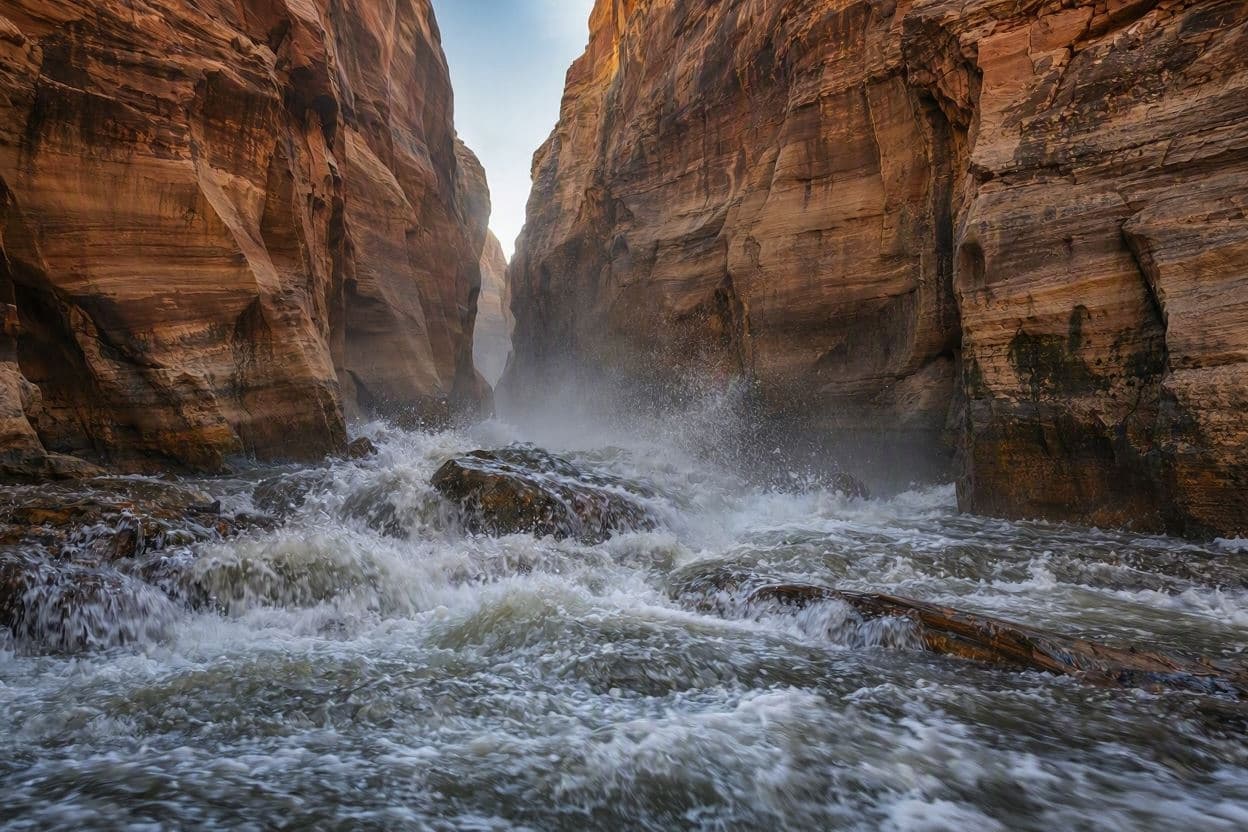
The Grand Canyon is a monument to geological time, a vast silence carved by the Colorado River over millions of years. For hikers, it offers a profound sense of solitude and awe, a place where the scale of nature dwarfs human concerns. Yet, this majesty comes with inherent risks, particularly when the desert sky opens up. Recently, a group of hikers found themselves trapped deep within the canyon as sudden rains transformed dry washes into raging torrents, leaving them with nowhere to go. This incident serves as a humbling reminder of the canyon’s unpredictable power and the importance of respecting its volatile nature.
Flash floods in the Grand Canyon are a well-known hazard, often triggered by thunderstorms that may be miles away from the hikers’ location. The steep walls of the canyon funnel water rapidly, turning calm trails into dangerous rivers in a matter of minutes. For those caught in the path, escape is often impossible, as the terrain offers few high grounds or safe havens. The recent event highlighted how quickly a serene hike can turn into a life-threatening situation.
The hikers, experienced but perhaps underestimating the weather’s potential, found their route cut off by rising waters. Park rangers emphasize that weather in the Southwest can change with little warning, making constant vigilance essential. Checking forecasts for upstream areas, not just the immediate location, is a critical safety practice that can mean the difference between life and death.
Rescue operations in such remote and rugged terrain are complex and dangerous. Helicopters and ground teams must navigate difficult conditions to reach stranded individuals, often waiting for weather windows to open. The success of these missions relies on precise coordination and the bravery of first responders who risk their own safety to save others. For the hikers, the wait for rescue is a test of endurance and hope.
This incident underscores the importance of preparedness. Carrying emergency supplies, knowing evacuation routes, and understanding the signs of impending weather changes are vital skills for any canyon visitor. Education campaigns by the National Park Service aim to instill these habits, but the allure of the landscape can sometimes lead to complacency.
The psychological impact on those trapped is significant. Facing the raw force of nature without control can be terrifying, leaving lasting impressions on those who survive. It reinforces the idea that while humans can explore these wild places, they do so at the mercy of natural forces that demand respect and caution.
Community and family members of the hikers endure their own anxiety during such events. The uncertainty of the situation creates a ripple effect of worry, highlighting the interconnectedness of adventure and responsibility. When one person ventures into the wild, their safety becomes a concern for many.
As the waters recede and the hikers are brought to safety, the focus shifts to recovery and reflection. Each close call serves as a lesson for the broader hiking community, reinforcing the need for humility and preparation. The canyon remains a place of beauty, but also of consequence.
Hikers trapped in the Grand Canyon by sudden flash floods highlight the dangers of desert weather and the importance of preparedness. As rescue teams work to ensure safety, the incident reminds visitors to respect the unpredictable power of nature and stay informed about weather conditions.
AI Image Disclaimer: The visual representations accompanying this article are AI-generated interpretations designed to symbolize the grandeur and volatility of the Grand Canyon, using abstract imagery of rock formations and water.
Sources: National Park Service Arizona Republic Local News Outlets
Published by Banx Network. This article is part of the Banx decentralized media programme, powered by the BXE token on the XRP Ledger.