
Key Highlights
- Japan's industrial parks are at the forefront of sustainable technology development.
- Increased investments are being made in clean manufacturing and renewable energy.
- Collaboration between businesses and research institutions is enhancing productivity.
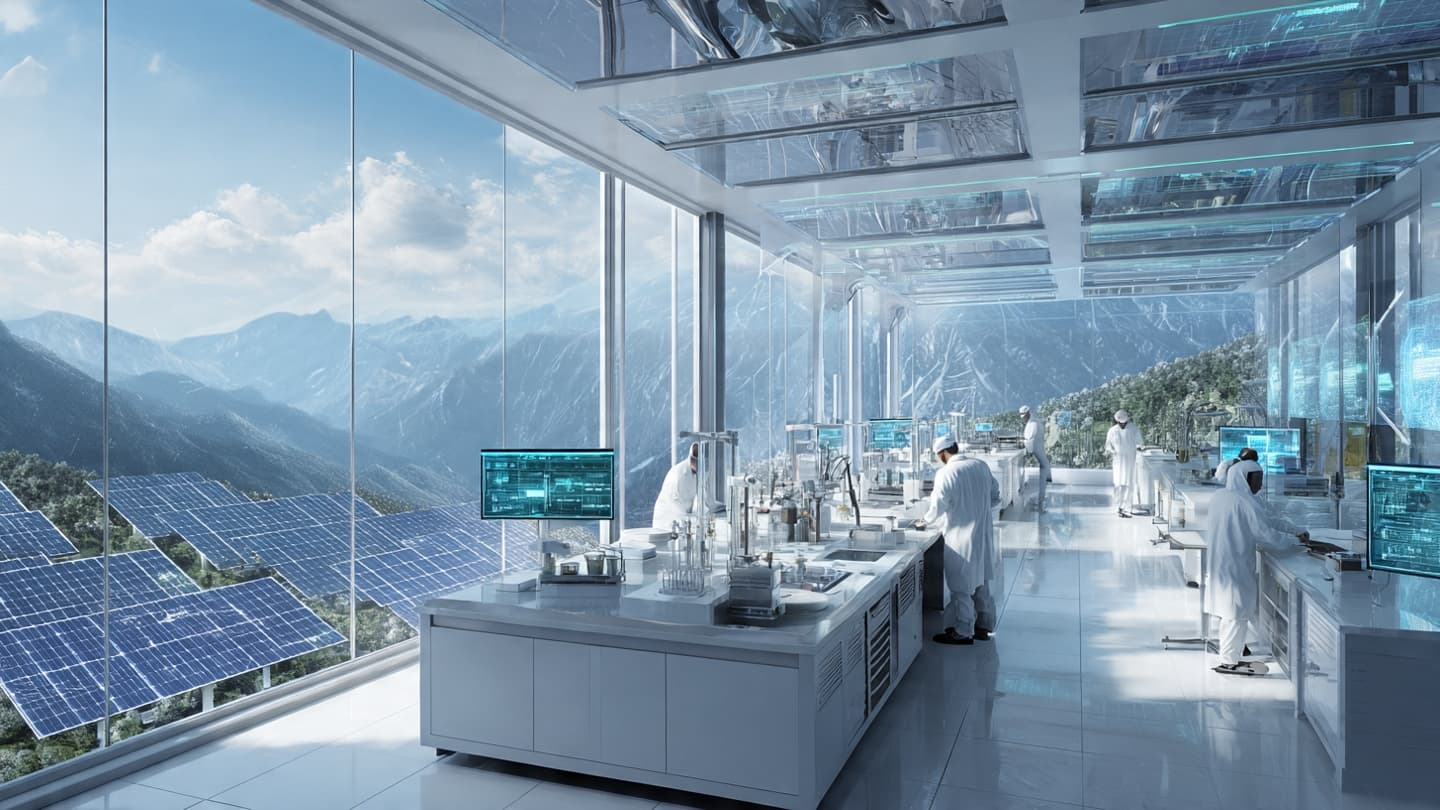
Japan is witnessing a quiet yet significant transformation in its industrial landscape, particularly within its innovation districts. These areas, often home to research centers and industrial parks, are becoming hubs for the development of technologies aimed at sustainability and efficiency. As the world grapples with climate change and resource scarcity, Japan's commitment to innovation in these sectors is more crucial than ever.
In recent years, businesses across Japan have ramped up investments in clean manufacturing processes, renewable energy technologies, and battery development. This shift is not merely a trend but a strategic move to align with global sustainability goals. The Japanese government has also played a pivotal role in this transition by providing incentives for companies to adopt environmentally friendly practices, thereby fostering a culture of innovation that prioritizes sustainability.
Collaboration is key to Japan's industrial evolution. Engineering firms are increasingly partnering with universities and research institutes to accelerate product development. This synergy not only enhances the quality of innovations but also improves manufacturing productivity. For instance, advancements in digital technologies are being integrated into industrial operations, streamlining processes and reducing waste. Such collaborations are essential for maintaining Japan's competitive edge in the global manufacturing arena.
Market analysts project that sustained investment in advanced engineering will bolster Japan's position in international markets. This focus on innovation is expected to support long-term economic resilience, allowing Japan to navigate the challenges posed by global competition and environmental concerns. As industries evolve, the integration of scientific research with responsible industrial practices will be vital for Japan's future.
Moreover, the emphasis on sustainability is not just about compliance with regulations; it reflects a broader societal shift towards environmental responsibility. Consumers are increasingly demanding products that are not only high-quality but also produced sustainably. This change in consumer behavior is prompting companies to rethink their production methods and supply chains, further driving the push for innovation.
In conclusion, Japan's innovation districts are not just centers of technological advancement; they are also beacons of sustainable industrial growth. By investing in clean technologies and fostering collaboration between businesses and research institutions, Japan is setting a precedent for how industries can evolve responsibly in the face of global challenges. As the nation continues to embrace this path, it stands to inspire other countries to follow suit in the quest for a sustainable future.
Published by Banx Network. This article is part of the Banx decentralized media programme, powered by the BXE token on the XRP Ledger.



