The rhythms of the seasons are dictated by vast, invisible forces that circle the globe. Among these, El Niño stands out as a powerful driver of weather patterns, capable of reshaping winters thousands of miles away. As new data suggests the emergence of a "Super El Niño," residents of the American West are looking to the skies with a mix of hope and caution. This phenomenon promises changes to the upcoming snow season, offering potential relief from drought but also bringing the risk of extreme weather.
El Niño is characterized by warmer-than-average sea surface temperatures in the central and eastern Pacific Ocean. When these temperatures rise significantly, as they do in a "Super" event, the impact on global weather can be profound. For the Western United States, this typically means a stronger jet stream that directs moisture-laden storms toward California and the Southwest.
Historical data shows that strong El Niño years often correlate with above-average snowfall in the Sierra Nevada and other mountain ranges. For ski resorts and water managers, this is welcome news. Snowpack acts as a natural reservoir, storing water that melts gradually in the spring to supply rivers and aquifers. A robust snow season can help alleviate the persistent drought conditions that have plagued the region for years.
However, the term "Super" also implies intensity and unpredictability. While total precipitation may increase, it can come in the form of intense atmospheric rivers rather than steady snowfall. These heavy rain events can lead to flooding, landslides, and erosion, posing risks to communities and infrastructure. The balance between beneficial snow and hazardous rain is delicate and difficult to predict.
Climate change adds another layer of complexity to these forecasts. Rising global temperatures mean that even with increased precipitation, more of it may fall as rain rather than snow, especially at lower elevations. This shift affects the timing and volume of water runoff, challenging existing water management strategies. Scientists are working to refine models that account for these warming trends.
For outdoor enthusiasts and winter sports industries, the outlook is cautiously optimistic. A snowy winter boosts tourism and local economies, providing a much-needed economic lift. Yet, preparations must be made for variable conditions, including potential storms that could disrupt travel and daily life. Flexibility and readiness are key to navigating the season.
Water authorities are closely monitoring the data, adjusting reservoir levels and conservation measures accordingly. The promise of a wet winter offers a chance to replenish depleted supplies, but it also requires careful management to prevent overflow and damage. Collaboration between agencies and communities is essential for maximizing benefits and minimizing risks.
As the winter approaches, the focus shifts to adaptation and resilience. Whether the snow falls gently or the rain pours heavily, the West must be prepared. The looming Super El Niño is a reminder of nature’s power and the importance of respecting its cycles. It invites us to live in harmony with the environment, adapting to its changes with wisdom and care.
The potential arrival of a Super El Niño signals a significant shift in weather patterns for the American West. While it offers hope for drought relief through increased snowfall, it also brings risks of extreme precipitation. Preparedness and adaptive management will be crucial for navigating the upcoming winter season.
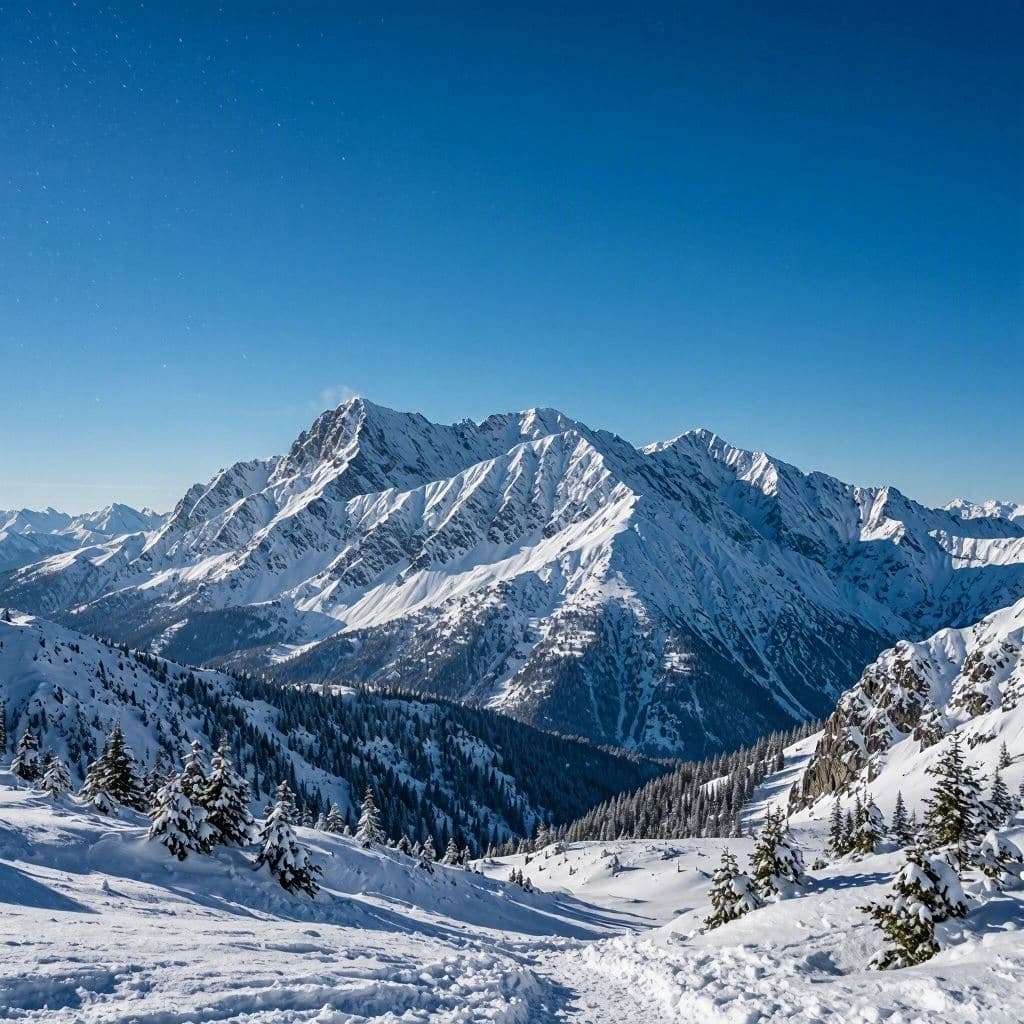
AI Image Disclaimer: The visual elements accompanying this article are AI-generated interpretations designed to illustrate the concepts of weather patterns, snow, and environmental cycles, using natural and serene imagery.
Sources: National Oceanic and Atmospheric Administration (NOAA) Western Water Assessment Climate Central
Published by Banx Network. This article is part of the Banx decentralized media programme, powered by the BXE token on the XRP Ledger.