Iron is a double-edged sword for living cells. Essential for carrying oxygen and producing energy, it becomes toxic when present in excess, generating harmful free radicals that can damage DNA and cell membranes. For years, scientists believed that cells relied primarily on specialized proteins to manage iron levels. However, new research has uncovered a surprising ally in this delicate balancing act: a small, often overlooked molecule called polyamine. This discovery reveals a novel mechanism by which cells protect themselves from iron overload, offering new insights into cellular health and disease.
The study, published in the journal Cell, shows that polyamines act like microscopic storage lockers for iron. Instead of letting excess iron roam freely and cause oxidative stress, cells bind it to polyamines, keeping it in a safe, non-reactive state. This process allows the cell to store iron until it is needed for essential functions, preventing the damage that can occur when iron levels spike unexpectedly.
Polyamines are small, positively charged molecules found in all living organisms. They are known for their role in cell growth and division, but their ability to interact with metals has been less understood. The new findings suggest that this interaction is a critical part of the cell’s defense system, providing a rapid and efficient way to neutralize potential threats. It is a elegant solution to a complex biological problem.
This mechanism is particularly important in conditions where iron regulation is disrupted, such as in certain genetic disorders or neurodegenerative diseases. In these cases, the buildup of iron can lead to cell death and tissue damage. Understanding how polyamines help manage iron could lead to new therapeutic strategies that boost this natural protective pathway.
Researchers used advanced imaging and biochemical techniques to observe the interaction between iron and polyamines in real-time. They found that when cells were exposed to high levels of iron, the concentration of polyamines increased, and the two molecules formed stable complexes. This response was quick and effective, highlighting the importance of polyamines in maintaining cellular homeostasis.
The discovery also sheds light on the evolution of cellular defense mechanisms. It suggests that before the development of complex protein-based systems, early life forms may have relied on simple molecules like polyamines to handle metal toxicity. This ancient strategy has been preserved and refined over billions of years, demonstrating its effectiveness.
For medical science, the implications are significant. Drugs that enhance polyamine production or stability could potentially be used to treat iron overload disorders. Additionally, understanding this pathway may help explain why some tissues are more susceptible to iron-related damage than others. It opens up new avenues for research into cellular resilience.
The role of polyamines in protecting cells from iron overload is a reminder of the ingenuity of biological systems. By deploying these rare molecules, cells ensure their survival in a world where essential nutrients can also be deadly poisons.
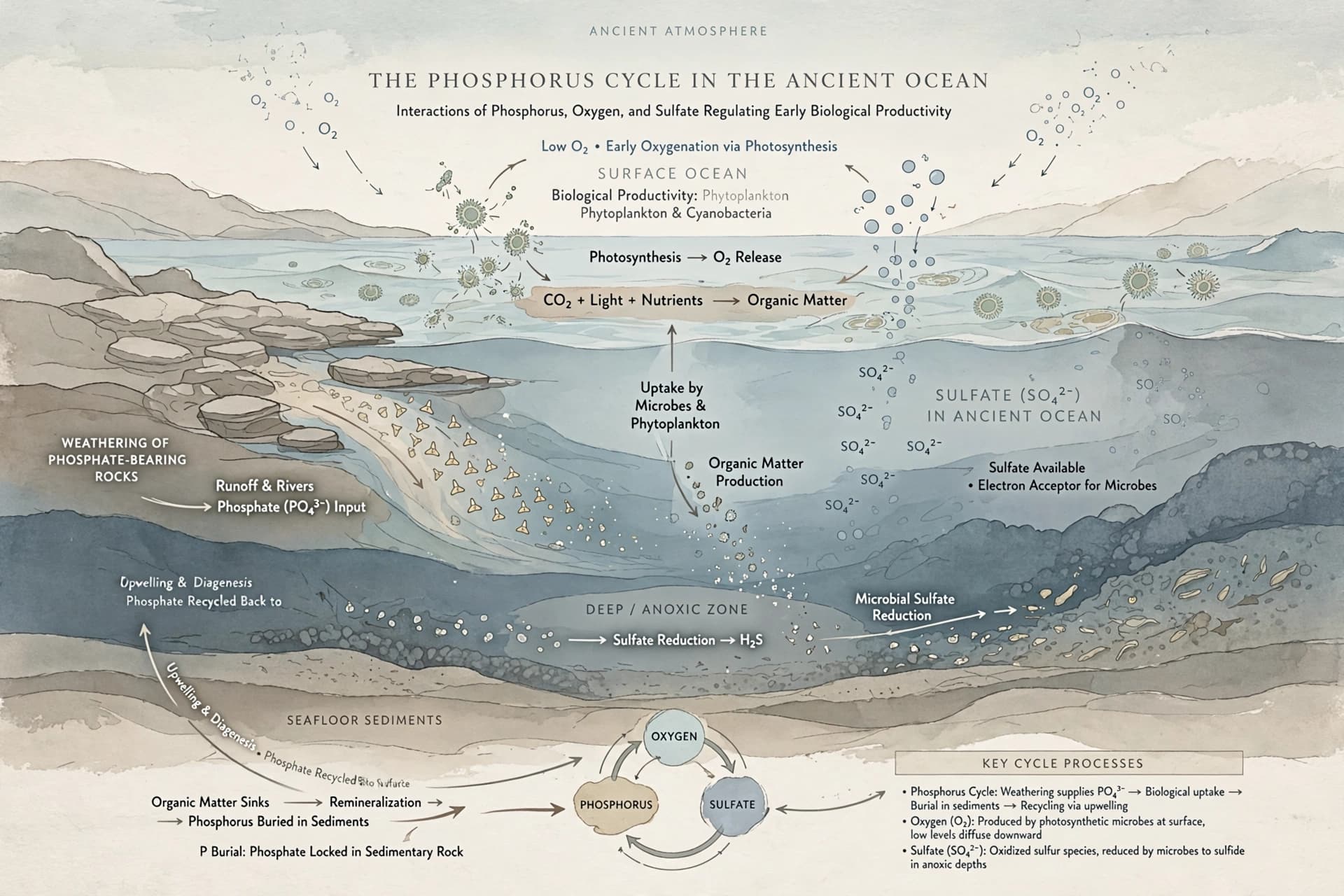
AI Image Disclaimer: The visual materials associated with this article are AI-generated and serve as illustrative aids rather than factual documentation.
Sources: Whitehead Institute Cell Journal Bioengineer.org Lifeboat Foundation
Published by Banx Network. This article is part of the Banx decentralized media programme, powered by the BXE token on the XRP Ledger.