In the rugged and windswept landscapes where penguins thrive, survival has always been a matter of instinct and endurance. But today, these resilient birds face a new, invisible threat: avian influenza. Conservationists are undertaking a delicate and complex mission to vaccinate thousands of wild penguins, a task that requires not just medical precision but also a deep understanding of animal behavior. This effort represents a poignant intersection of human intervention and natural preservation, highlighting our growing responsibility to protect wildlife from diseases exacerbated by global connectivity.
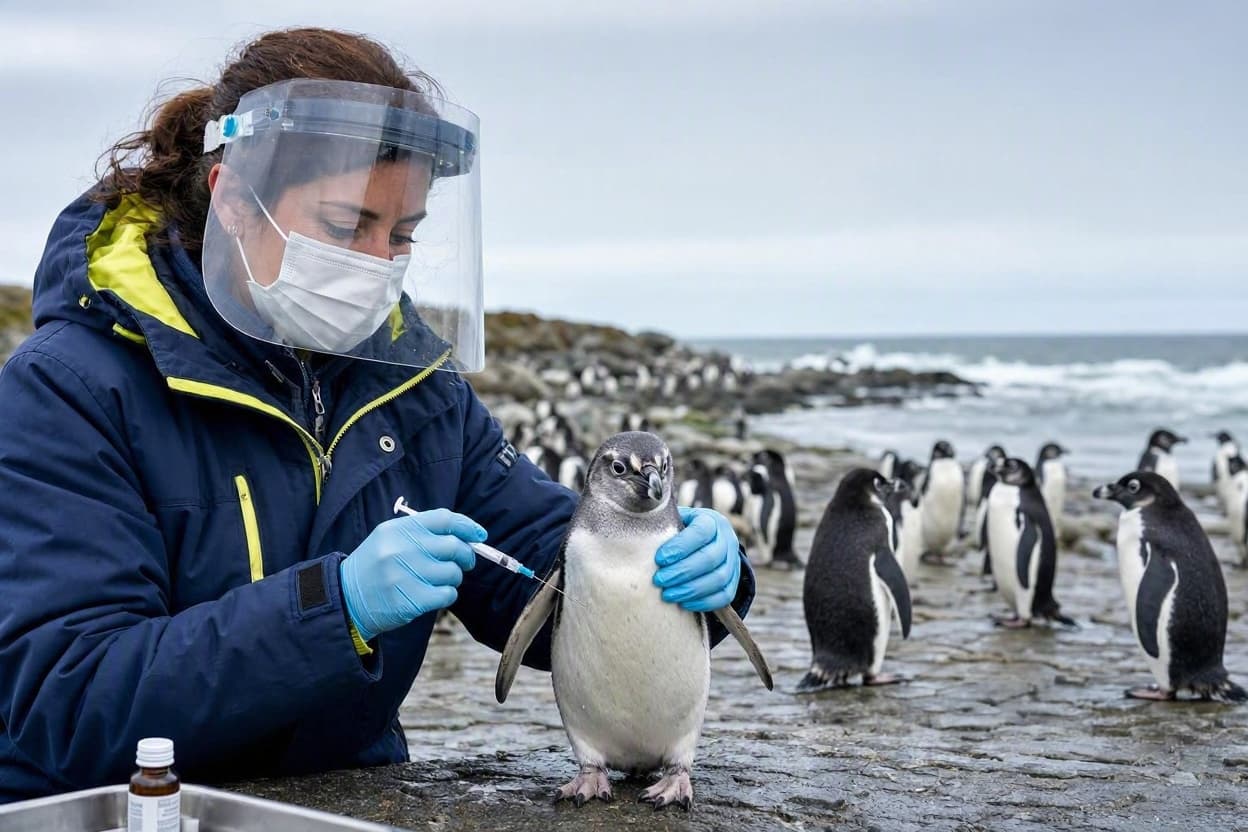
The challenge lies in the sheer logistics of reaching and treating wild animals without causing undue stress or disruption to their colonies. Penguins, particularly smaller species like the Little Blue Penguin, are sensitive to human presence. Approaching them requires patience and stealth, as sudden movements can cause panic, leading to stampedes or abandonment of nests. Veterinarians and volunteers must work in coordinated teams, often under difficult weather conditions, to gently capture and administer vaccines to individual birds.
The vaccine itself is a critical component of the strategy. Developed specifically for avian strains affecting seabirds, it offers a layer of protection that could prevent widespread mortality. However, administering it in the wild is far more complex than in a controlled zoo environment. Each penguin must be identified, handled with care, and released quickly to minimize disturbance. The process is slow and labor-intensive, requiring hundreds of hours of dedicated work.
Experts describe the task as "really tricky," noting that success depends on timing and technique. Vaccination campaigns are often scheduled during molting periods when penguins are land-bound and less likely to flee into the ocean. Even then, the risk of error remains high. A misplaced dose or a stressed bird can compromise the effectiveness of the program. Thus, training for volunteers is rigorous, emphasizing both medical skills and ethical handling practices.
Beyond the immediate health benefits, the vaccination drive serves as a broader conservation statement. It acknowledges that human activity has altered the natural landscape, introducing pathogens to vulnerable populations. By stepping in to mitigate this harm, conservationists are attempting to right a wrong, albeit partially. It is an act of stewardship that recognizes the interconnectedness of global ecosystems and the role humans play in both damaging and healing them.
Community support plays a vital role in these efforts. Local residents often assist in monitoring colonies and reporting sick birds, creating a network of vigilance. This collaboration fosters a sense of shared responsibility for local wildlife. Education programs help raise awareness about biosecurity measures, such as keeping dogs on leashes and avoiding contact with wild birds, which further protects the penguins.
As the campaign progresses, data is collected to assess the vaccine’s efficacy and long-term impact. Researchers monitor vaccinated individuals to track immunity levels and overall colony health. This scientific rigor ensures that the intervention is not just well-intentioned but also effective. The lessons learned here may inform future wildlife disease management strategies around the world.
Vaccinating wild penguins is a testament to the dedication of conservationists who strive to protect nature in an increasingly fragile world. It is a complex, challenging endeavor that underscores the importance of proactive care and the enduring hope for coexistence.
AI Image Disclaimer: Please note that any accompanying illustrations for this piece are AI-generated representations intended to evoke the mood of the described events.
Sources: BBC News, The Guardian, National Geographic, Wildlife Conservation Society
Published by Banx Network. This article is part of the Banx decentralized media programme, powered by the BXE token on the XRP Ledger.