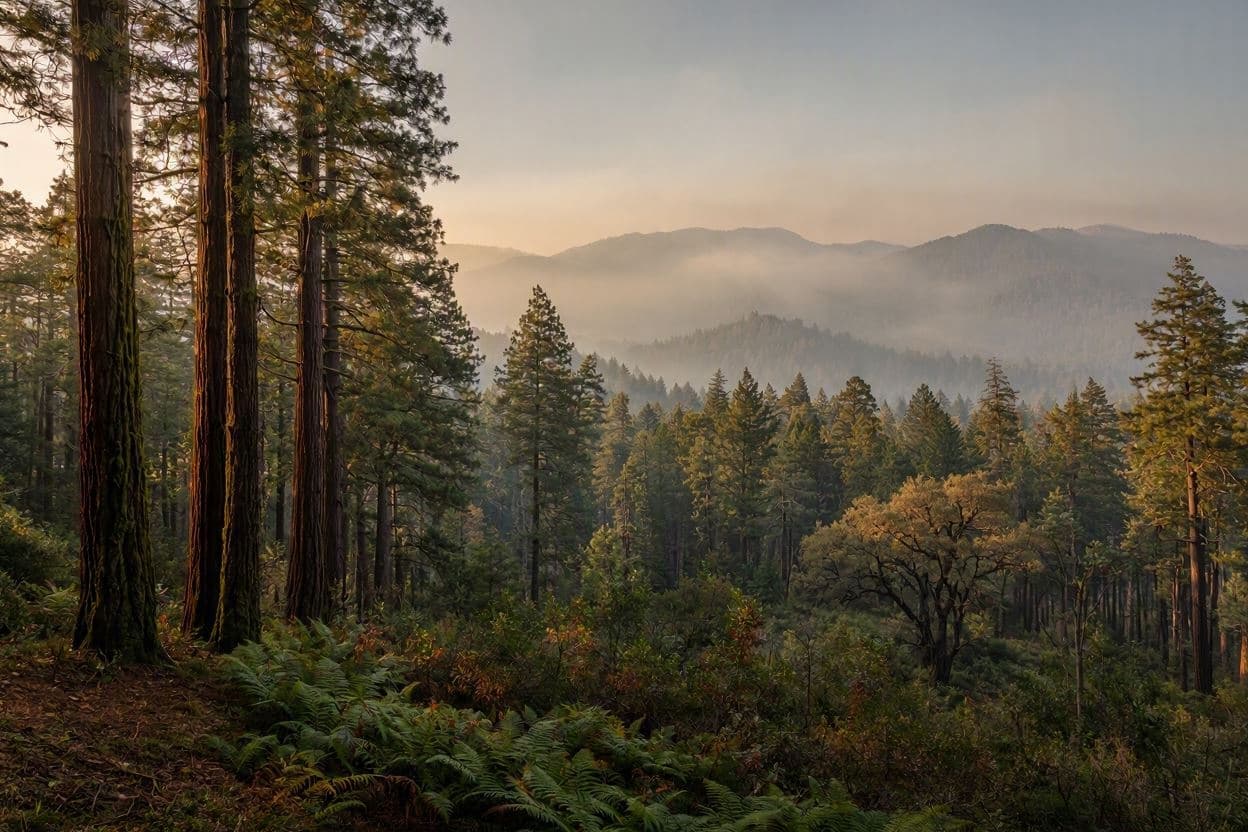
The skies of Northern California are known for their brilliant blues and crisp clarity, a backdrop to the region’s majestic redwoods and rugged coastlines. Yet, in recent years, a hazy gray veil has become an unwelcome seasonal guest. Wildfire smoke, carried by winds from distant blazes, has once again descended upon the region, altering the air we breathe and the view we see. The latest maps showing degraded air quality serve as a visual testament to the far-reaching effects of these fires.
On Monday, air quality indices in several Northern California counties rose to unhealthy levels due to the accumulation of particulate matter. This fine smoke, composed of tiny particles and gases, can penetrate deep into the lungs and even enter the bloodstream, posing health risks particularly for children, the elderly, and those with respiratory conditions. The map illustrating these impacts provides a clear guide for residents to adjust their activities accordingly.
Wildfires, whether sparked by lightning or human activity, have become more frequent and intense due to changing climate conditions. Drier vegetation and higher temperatures create ideal fuel for flames, which can burn for weeks and spread over vast areas. The smoke produced does not respect boundaries, traveling hundreds of miles to affect regions far from the fire’s origin.
For residents, the presence of smoke means making practical adjustments. Outdoor exercises may need to be moved indoors, windows sealed, and air purifiers run continuously. Schools and outdoor event organizers often monitor air quality reports closely, canceling activities when levels become hazardous. These disruptions, while manageable, highlight the pervasive influence of wildfires on daily life.
Health officials urge caution, recommending that sensitive groups limit exposure as much as possible. Simple measures like wearing N95 masks when outdoors can significantly reduce inhalation of harmful particles. Staying informed through local air quality alerts allows individuals to make proactive decisions to protect their health during these episodes.
The economic impact of poor air quality is also notable. Tourism, a vital industry in Northern California, can suffer when visitors are deterred by hazy skies and health concerns. Local businesses that rely on outdoor activities may see a decline in patronage, adding financial stress to the environmental challenge. It is a ripple effect that touches many aspects of the regional economy.
Efforts to mitigate wildfire risks include controlled burns, forest management, and public education on fire prevention. While these strategies aim to reduce the intensity and frequency of fires, the reality is that smoke events will likely remain a part of the region’s summer and autumn seasons. Adaptation and resilience are becoming key components of community planning.
Despite the challenges, there is a sense of shared endurance among Northern Californians. The community comes together to support firefighters, donate to relief efforts, and check on vulnerable neighbors. This spirit of cooperation helps mitigate the isolation that can come with being confined indoors due to poor air quality.
The impact of wildfire smoke on Northern California’s air quality serves as a reminder of the environmental challenges facing the region. By staying informed and taking protective measures, residents can navigate these periods of poor air quality. Continued efforts in fire management and climate adaptation are essential for long-term resilience.
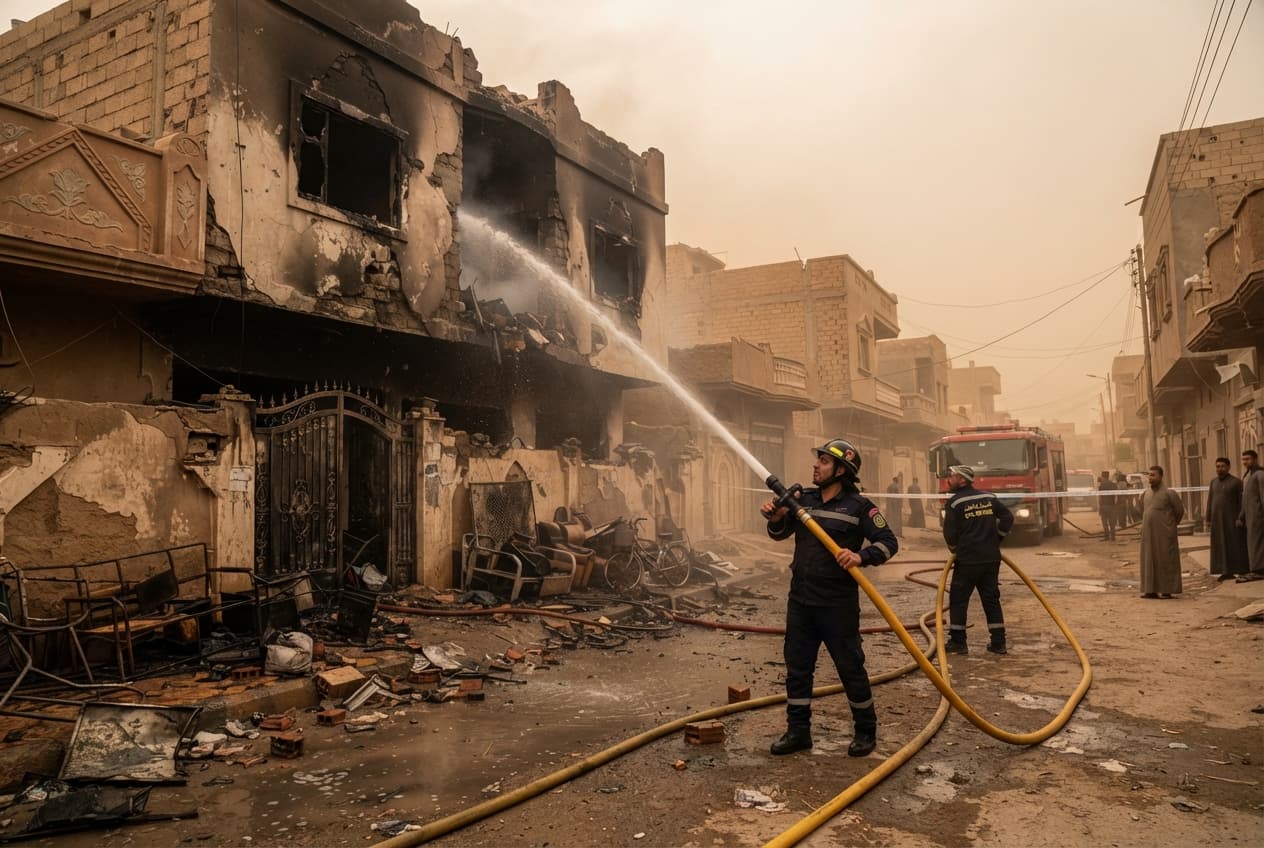
AI Image Disclaimer: The visuals accompanying this article are AI-generated representations designed to illustrate the concept of air quality monitoring and the atmospheric effects of wildfire smoke.
Sources: AirNow.gov California Air Resources Board Local Northern California News Outlets
Published by Banx Network. This article is part of the Banx decentralized media programme, powered by the BXE token on the XRP Ledger.