In the semiconductor industry, time has become almost as valuable as silicon. A chip can represent an enormous technological opportunity, yet the market often waits for another kind of signal—the moment when a promising agreement begins appearing clearly in company revenue.
Marvell Technology experienced that tension this week. Its shares fell more than 8% on Friday despite strong quarterly results and higher annual forecasts, as investors sought greater clarity about the financial contribution of its new artificial-intelligence chip agreement with Google.
The decline came after Marvell failed to provide a substantial increase to its long-term revenue outlook. For investors who had watched the company's shares nearly triple during the year, the absence of a larger forecast revision appeared to matter more than the strength of its latest quarterly performance.
The Google agreement itself is substantial. Marvell is helping develop custom chips for the technology company, with the partnership potentially generating as much as $120 billion in custom-chip sales through fiscal 2033. Google has also received an option to purchase a potential $12.2 billion stake in Marvell.
But the scale of the opportunity does not mean its financial impact will arrive immediately. Marvell has indicated that substantial contributions from the Google arrangement are expected to begin around fiscal 2029. That distance between today's valuation and tomorrow's revenue became a central question for investors.
The market's reaction unfolded against a much larger AI investment wave. Big technology companies are expected to spend more than $740 billion on AI infrastructure, creating strong demand for specialized processors, networking equipment, and other components required to expand computing capacity.
Marvell remains positioned within that expansion. The company expects approximately 45% revenue growth in fiscal 2027 and has projected revenue of about $18 billion by fiscal 2028. Several analysts continued to see longer-term potential, with at least eight brokerages raising their price targets after the latest results.
Yet the stock reaction illustrates how quickly expectations can change when an industry moves at extraordinary speed. Investors are increasingly examining not only whether AI demand exists, but also how quickly individual companies can turn that demand into production, contracts, margins, and recognized revenue.
The questions surrounding Marvell also extend beyond one agreement. Its prospects involving other major technology customers and AI connectivity give the company several possible paths for expansion, while competition with larger semiconductor players continues to shape the market landscape.
For now, Marvell remains a significant participant in the expanding custom-chip market, with ambitious growth forecasts and a major Google partnership ahead. The recent decline in its shares reflects a market waiting to see how quickly that future becomes visible in the present.
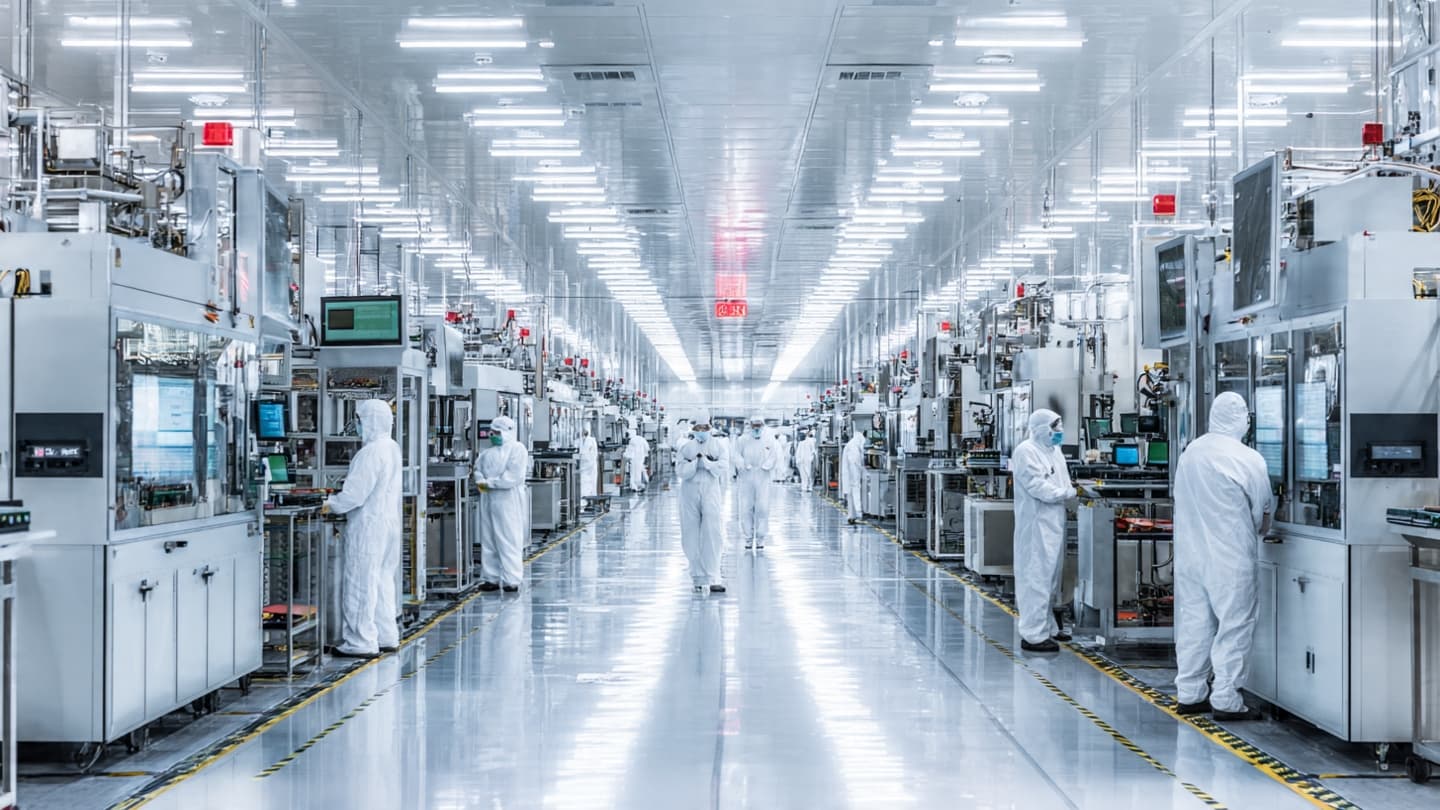
AI Image Disclaimer The illustrations accompanying this article were created with AI technology and are not representations of real photographs or actual scenes.
Sources Reuters
Published by Banx Network. This article is part of the Banx decentralized media programme, powered by the BXE token on the XRP Ledger.