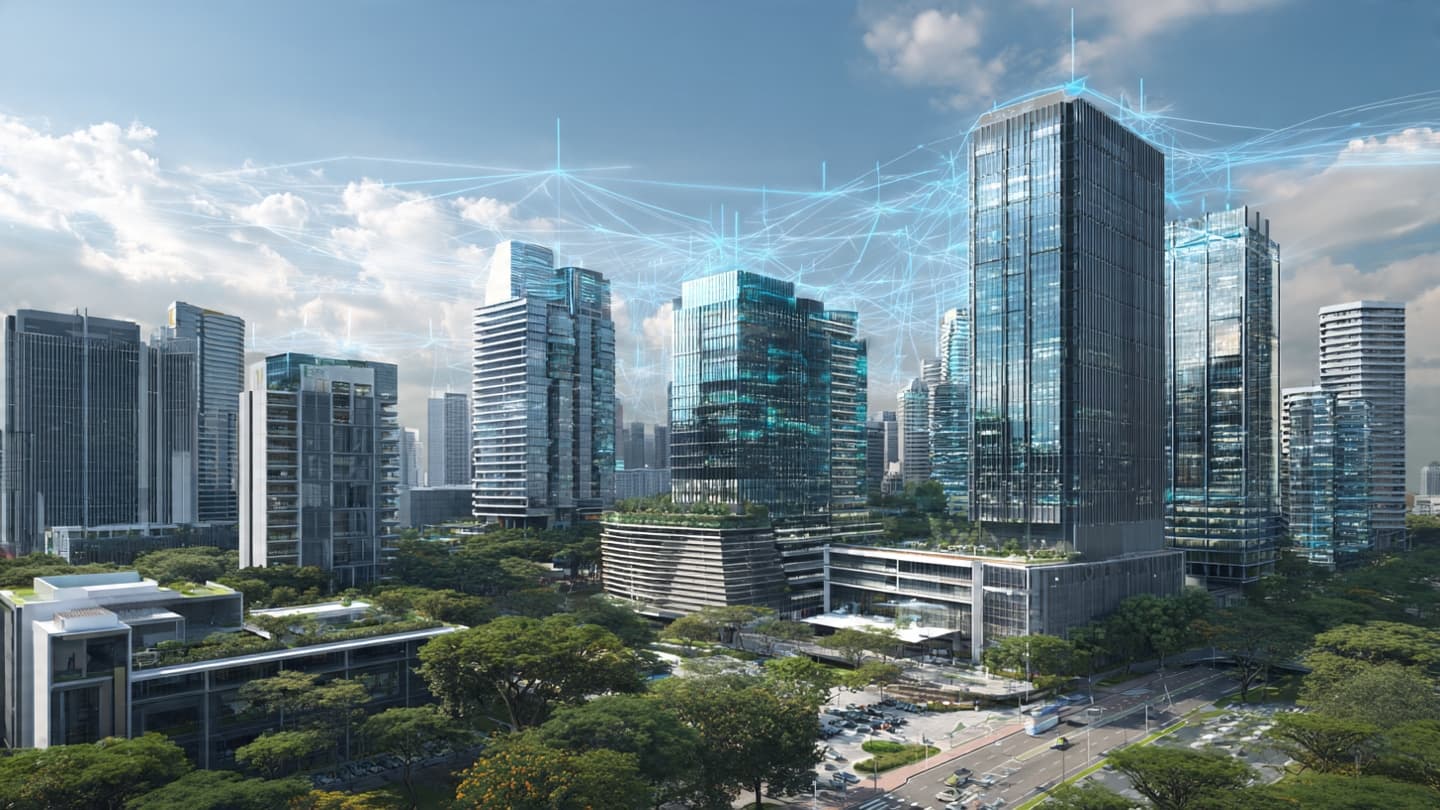
Singapore’s economic landscape has been moving with an unusual combination of speed and precision. In the first half of 2026, factories, technology companies and trade networks benefited from a global investment cycle increasingly centered on artificial intelligence. That momentum has now prompted Singapore to lift its expectations for the full year.
The Ministry of Trade and Industry raised its 2026 GDP growth forecast to between 4.5% and 5.5%, considerably higher than the previous range of 2% to 4%. The revision followed stronger-than-expected economic performance during the second quarter.
Singapore’s economy expanded 5.9% year-on-year in the second quarter, while growth for the first half reached 6.1%. The figures placed the city-state on a firmer footing than earlier forecasts had suggested and reflected strong activity in several parts of the economy.
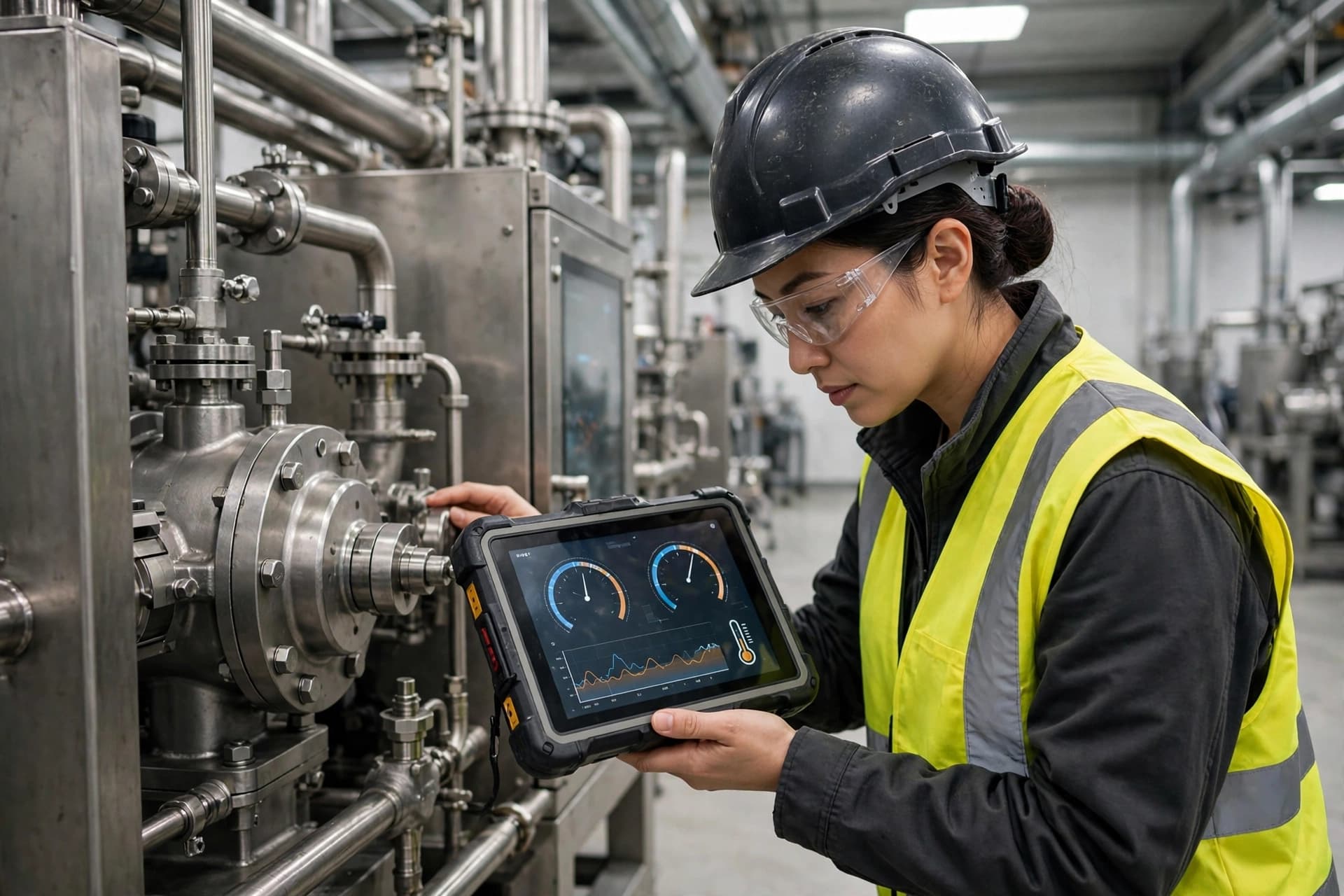
Artificial intelligence has become one of the clearest threads running through that expansion. Global companies continue to invest heavily in chips, computing infrastructure and related technology, creating additional demand for Singapore’s manufacturing and trade ecosystem.
The semiconductor industry has been particularly important. Singapore sits within the larger Asian technology supply chain, where factories and logistics networks connect producers of advanced components with markets around the world. As AI-related demand rises, those connections have become increasingly valuable.
Exports have also contributed to the improved outlook. Enterprise Singapore raised its forecast for non-oil domestic exports to between 14% and 16%, reflecting stronger external demand than had been anticipated earlier in the year.
Yet beneath the optimism sits a more measured question: how long can the AI investment cycle continue at its current pace? Singapore’s central bank has flagged the sustainability of the technology boom as a potential risk, particularly if global investment in AI infrastructure begins to slow.
Inflation also remains part of the economic picture. Singapore’s central bank raised its 2026 inflation forecast to between 1.5% and 2.5%, while energy prices have remained sensitive to developments in global oil markets.
For now, however, the numbers point toward an economy benefiting from a powerful technological wave. Singapore’s position in manufacturing, logistics and digital infrastructure gives it several ways to participate in the AI expansion, even as policymakers and businesses watch carefully for signs that the cycle may eventually lose momentum.
The revised forecast therefore reflects more than a stronger quarter. It captures a broader shift in Singapore’s economic rhythm, where advanced technology and global investment are increasingly shaping the pace of growth.
AI Image Disclaimer: The article is based on verified economic reporting. Any accompanying AI-generated visuals are illustrative representations and should not be interpreted as exact photographs of the reported economic activity.
Sources: Reuters Singapore Ministry of Trade and Industry Enterprise Singapore
Published by Banx Network. This article is part of the Banx decentralized media programme, powered by the BXE token on the XRP Ledger.