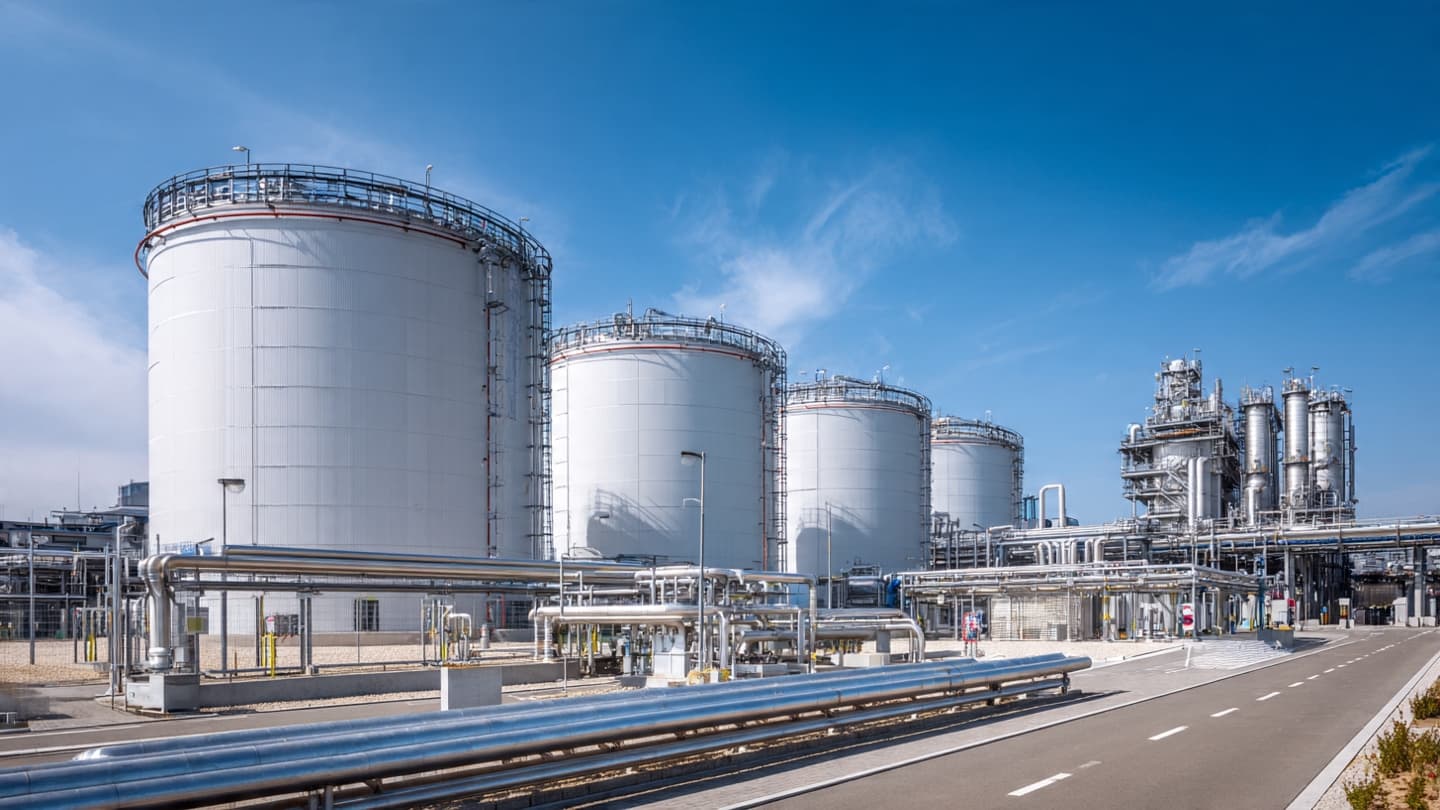
In the quiet rhythm of industrial production, some changes arrive almost unnoticed. A new data center opens, a semiconductor facility expands, or a technology company increases its computing capacity. Behind these developments sits another layer of infrastructure, one that rarely becomes visible to consumers but remains essential to modern industry. In France, Air Liquide is finding itself increasingly connected to that changing landscape as artificial intelligence drives demand for industrial gases.
Air Liquide, one of the world’s largest industrial gas companies, has attracted renewed attention from activist investor Elliott Investment Management. The investor has taken a stake in the company, placing greater focus on its strategy and the value of its operations at a moment when demand connected to artificial intelligence is becoming increasingly important.
The connection between industrial gases and artificial intelligence may appear distant at first. Yet semiconductor manufacturing and advanced electronics production require highly controlled industrial environments and specialized gases. As companies build more computing infrastructure, the supply chains supporting those facilities become increasingly significant.
That trend has placed companies such as Air Liquide in a different position within the technology story. Rather than producing processors, servers or software, the company operates further upstream, supplying materials and gases that are used across industrial and technological processes.
The growing investment surrounding artificial intelligence has therefore begun to reach parts of the economy that sit beyond the better-known technology giants. Data centers require enormous amounts of infrastructure, while semiconductor manufacturing depends on increasingly precise production conditions. Those requirements create opportunities for industrial suppliers operating behind the scenes.
For Air Liquide, the moment arrives as investors continue to examine how companies can benefit from the long-term expansion of AI infrastructure. The company has substantial operations across multiple markets, making its exposure broader than a single technology segment.
Elliott’s involvement adds another layer to that story. Activist investors typically seek changes that they believe could improve shareholder value, and their presence can encourage closer examination of corporate strategy, capital allocation and individual business units. Reuters reported the development as part of a broader focus on Air Liquide and the growing importance of AI-related demand.
The broader industrial picture is also changing. Artificial intelligence is no longer confined to laboratories or software companies. Its expansion is creating demand for electricity, cooling systems, semiconductor materials, construction and industrial services. Each layer moves at a different speed, but together they form an increasingly interconnected technology economy.
For France, Air Liquide represents one part of that wider industrial ecosystem. The company’s position illustrates how the AI expansion can travel through established industrial networks, reaching businesses whose names may be less familiar to consumers but whose activities remain closely tied to the machinery of modern production.
As autumn approaches, the story around Air Liquide is therefore less about a single investor or a single quarter than about the changing shape of industrial demand. Artificial intelligence continues to spread outward from screens and processors into factories, energy systems and physical infrastructure, quietly altering the landscape around it.
AI Image Disclaimer This article includes AI-generated illustrations created for visual representation. The images are illustrative and do not depict actual events or photographs.
Sources Reuters
Published by Banx Network. This article is part of the Banx decentralized media programme, powered by the BXE token on the XRP Ledger.