
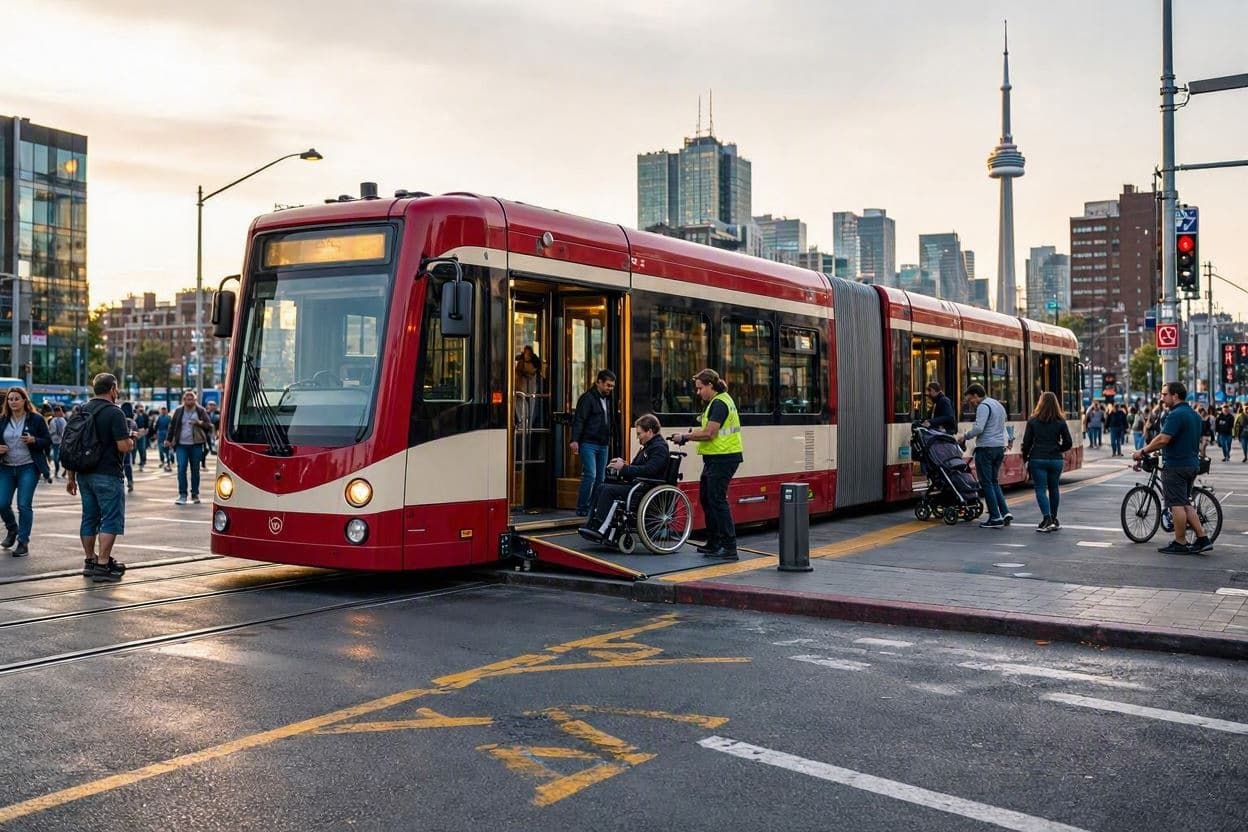
Public transit is more than a service; it is the circulatory system of a vibrant city, connecting people to their jobs, their families, and their communities. In Toronto, the conversation about accessibility and affordability has taken a new turn with Mayor Olivia Chow’s proposal for a weekly fare cap. This initiative aims to simplify the cost of commuting, ensuring that frequent riders are not penalized for their reliance on the transit network.
The proposal suggests that after a rider pays for ten trips in a single week, all subsequent rides for the remainder of that week would be free. This model is designed to benefit those who commute daily or use the TTC for multiple purposes throughout the week, such as running errands or attending evening classes. By capping the cost at the price of ten single fares, the system offers a predictable and potentially lower expense compared to purchasing a monthly pass upfront.
For many Torontonians, the current payment structure can feel complex and sometimes inequitable. Those who cannot afford the lump sum of a monthly pass often end up paying more over time by purchasing single tickets or day passes. The weekly cap addresses this disparity by allowing riders to pay as they go, with the assurance that their costs will not exceed a certain threshold. It is a step toward a more flexible and user-friendly fare system.
The implementation of such a cap requires technological updates to the Presto card system and other payment methods. However, the city has been moving toward fare capping in phases, with a monthly cap already in place. Adding a weekly layer builds on this infrastructure, offering greater granularity and choice for riders. It reflects a modern approach to transit management, where data and technology serve to enhance the user experience.
Critics may point to the potential revenue implications for the TTC, noting that farebox recovery is a significant part of the agency’s budget. However, proponents argue that increased ridership and improved public perception of the system could offset these costs in the long run. Making transit more affordable and accessible can encourage more people to leave their cars at home, reducing congestion and environmental impact.
From a social equity perspective, the weekly cap is particularly beneficial for low-income workers and those with irregular schedules. It provides a safety net for those whose income fluctuates or who may not have the financial flexibility to commit to a monthly pass. By removing the barrier of upfront costs, the city is signaling its commitment to inclusive urban planning.
As the proposal moves through council and public consultation, details regarding the exact pricing and start date will be refined. The goal is to ensure a smooth transition that minimizes disruption while maximizing benefit. Engaging with riders and stakeholders will be key to addressing any concerns and optimizing the system for all users.
In the end, the weekly fare cap is about more than just saving money; it is about valuing the people who keep the city moving. By making transit more affordable and predictable, Toronto is investing in the well-being of its residents and the vitality of its neighborhoods. It is a thoughtful adjustment to a system that serves as the backbone of daily life.
AI Image Disclaimer: The visual elements accompanying this article are AI-generated interpretations designed to illustrate the concepts of public transit and fare systems, without depicting specific real-world individuals or internal TTC documents.
Sources: CBC News, CP24, Toronto Star, Office of the Mayor of Toronto
Published by Banx Network. This article is part of the Banx decentralized media programme, powered by the BXE token on the XRP Ledger.



.jpg&w=3840&q=75 "Corruption Probe Targets Brazil Presidential Candidate Flavio Bolsonaro")