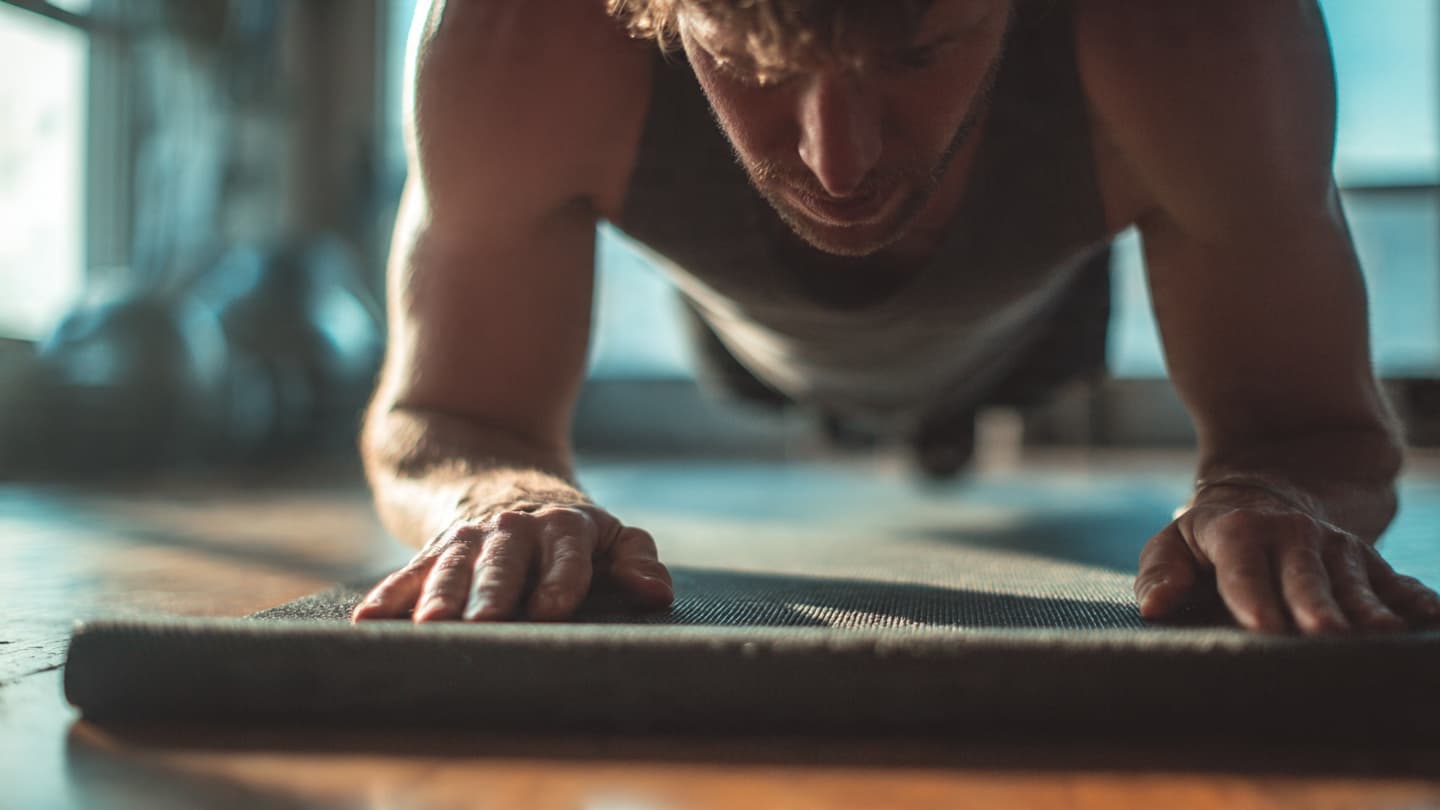
For decades, the image of fitness has been inextricably linked to the rhythmic rise and fall of the sit-up. It was the gold standard, the go-to move for anyone seeking a stronger midsection. Yet, modern understanding of human anatomy suggests that this classic exercise may not be the most effective—or even the safest—path to core strength. Recently, fitness experts have shifted the conversation, highlighting simpler, more functional movements that engage the deep stabilizing muscles without straining the neck or lower back. This evolution in thought invites us to reconsider what it means to be strong, moving away from aesthetic repetition toward holistic stability. It is a gentle reminder that sometimes, less is more.
The exercise often championed by trainers today is the plank, or its variations such as the dead bug or bird-dog. These movements focus on isometric contraction, requiring the body to maintain a stable position against gravity. Unlike the dynamic motion of a sit-up, which primarily targets the superficial abdominal muscles, these exercises engage the transverse abdominis, the deep corset-like muscle that supports the spine. This shift in focus promotes better posture and reduces the risk of injury during daily activities.
Experts argue that the core is not just about the "six-pack" but includes the obliques, lower back, and pelvic floor. A truly strong core acts as a bridge between the upper and lower body, facilitating efficient movement. By neglecting these deeper layers, traditional sit-ups can create imbalances. The new approach emphasizes integration, ensuring that all parts of the core work together harmoniously. This holistic view aligns with a broader trend in wellness that values function over form.
Performing these exercises requires mindfulness rather than momentum. Holding a plank, for instance, demands attention to breathing and alignment. It is a mental as well as physical challenge, encouraging practitioners to connect with their bodies in a deeper way. This introspective aspect of fitness can be meditative, offering a break from the fast-paced nature of modern life. It transforms exercise from a chore into a practice of self-care.
For beginners, the accessibility of these moves is a significant advantage. No equipment is needed, and they can be modified to suit different fitness levels. A knee plank or a shortened range of motion allows individuals to build strength gradually. This inclusivity makes core training available to everyone, regardless of age or ability. It democratizes fitness, removing barriers that might otherwise discourage participation.
As more people adopt these methods, the culture of fitness is becoming more nuanced. Social media feeds are filling with tutorials on proper form and the benefits of stability training. This spread of knowledge empowers individuals to take charge of their health with confidence. It fosters a community that values sustainability and long-term well-being over quick fixes.
The shift away from sit-ups toward functional core exercises like planks reflects a deeper understanding of human physiology. By focusing on stability and integration, individuals can build a stronger, healthier foundation for movement. The hope is for a continued emphasis on safe and effective fitness practices.
AI Image Disclaimer: The visual elements accompanying this report are AI-generated interpretations designed to reflect the health and wellness context of the story.
Sources: AARP Fit and Well Self Magazine
Published by Banx Network. This article is part of the Banx decentralized media programme, powered by the BXE token on the XRP Ledger.