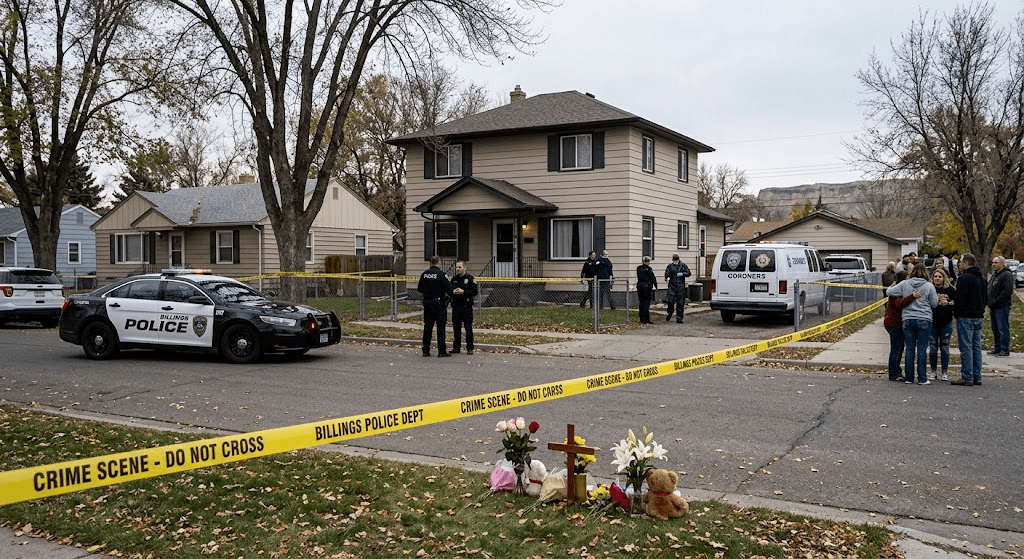
The morning sun rises over the shifting sands of the desert, casting long, amber shadows across the arterial veins of a city that never truly sleeps. On the asphalt arteries of the Emirates Road, time often holds a different cadence, one marked by the rhythmic hum of heavy tires and the steady pulse of a workforce bound by duty and dream. Yet, beneath this veneer of perpetual motion, a sudden and violent fracture occurred, leaving a silence where there should have been the mechanical songs of commute and commerce. It is in this quiet aftermath, away from the glare of headlines and the frantic pace of the highways, that a different story now unfolds—a story whispered in the sterile, hummed air of hospital wards.
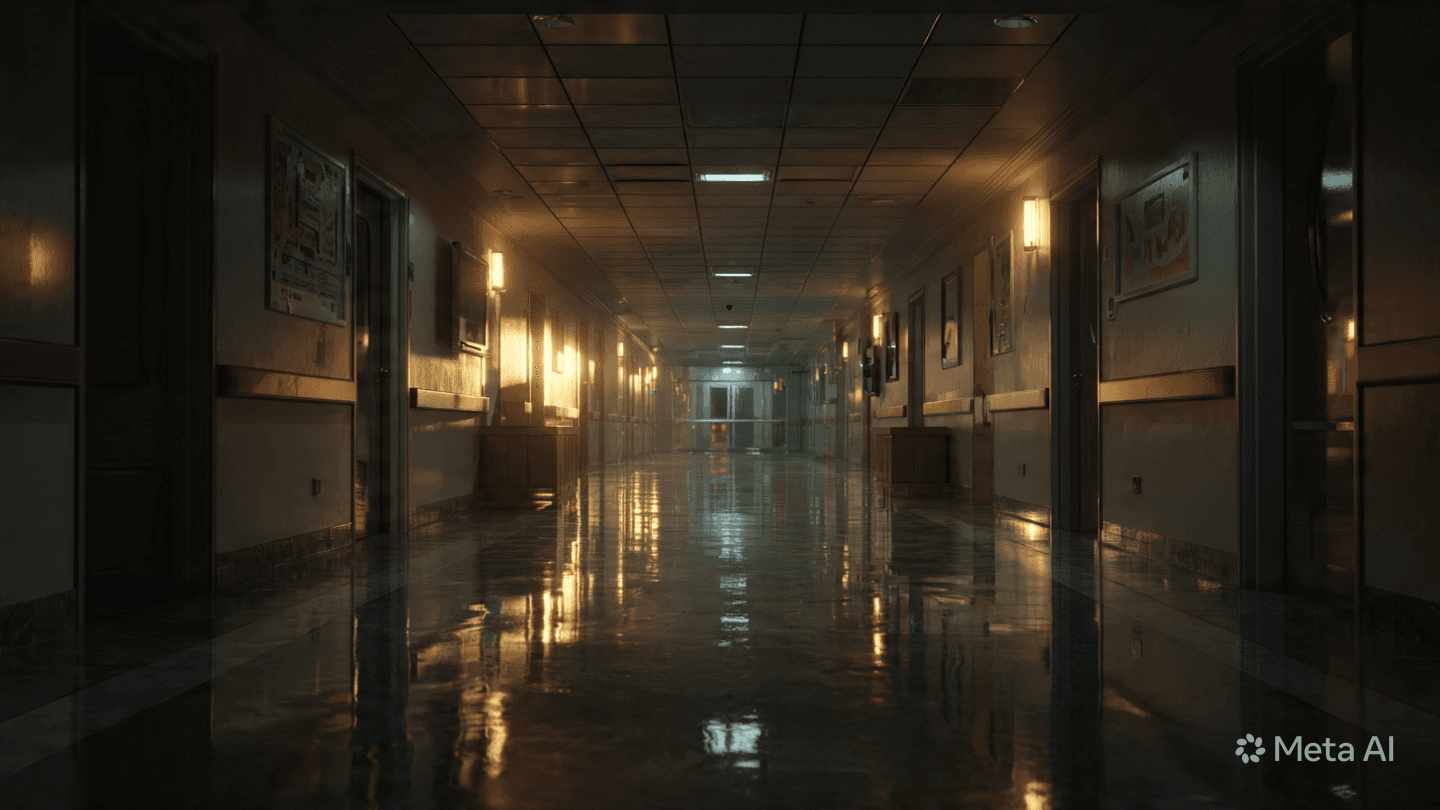
The geography of trauma is a landscape measured not in kilometers, but in the fragility of breath and the slow, agonizing recalibration of the physical self. Here, the world narrows to the span of a bedside, where the flickering monitors provide the only clock against which to measure the recovery of those who narrowly escaped the steel embrace of an accident. The air is thick with the scent of antiseptic and the heavy, invisible weight of shock, a lingering residue of the moment when a stationary obstacle became the crucible for a dozen lives. For the survivors, the transition from the chaotic roar of the road to the muffled stillness of care is a jarring, disorienting passage through the valley of the unexpected.
Families, separated by oceans and vast stretches of memory, find themselves tethered to this small, sanitized geography through the thin wires of telephone lines and the anxious wait for news. They imagine their loved ones not as patients in a cold facility, but as souls caught in the transition between the vibrant promise of their ambitions and the somber reality of their fragility. In these rooms, every minor improvement—the flutter of an eyelid, the steadying of a pulse, the first whispered word—is a monumental triumph, a defiant reclaiming of the self from the wreckage of a morning commute that promised only the usual routine.
The narrative of this recovery is written in the steady, patient hands of medical staff who navigate the delicate intersection of science and mercy. They move with an practiced grace, adjusting flows and checking levels, performing the quiet alchemy of healing that turns the tide against the encroaching darkness of trauma. There is a deep, human rhythm to this work, a silent pact made between the provider and the broken, a recognition that while they cannot undo the collision that brought them here, they can shepherd these individuals back toward the light of the ordinary world. It is a slow, tedious process, devoid of the spectacle of the event itself, yet infinitely more vital in its quiet persistence.
Generosity, too, has found its way into these wards, manifesting as a lifeline stretched across the borders that once defined these workers' lives. The quiet arrival of support—funds intended for the long road of rehabilitation—serves as a reminder that the human spirit possesses a remarkable capacity for empathy. It is a gesture that transcends the cold statistics of fatalities and injuries, seeking instead to stabilize the foundations of families who have been uprooted by the sudden loss of their primary providers. This intervention is a silent acknowledgment of the shared human condition, a refusal to let the tragedy be defined solely by the metallic coldness of the collision.
The survivors remain, caught in the threshold, their bodies bearing the maps of their survival while their minds grapple with the sudden absence of those who were their companions in transit. The hospital, in its own way, becomes a temporary home, a liminal space where the future is suspended and the past is a haunting, constant visitor. There is a profound, quiet dignity in this waiting, a resilience that is rarely captured in the frantic, immediate reporting of the disaster. It is a slow, internal work, as demanding and perilous as any journey across the shifting, arid dunes that surround this bustling metropolis.
Each passing day in the ward marks a slow departure from the epicenter of the tragedy, a gradual movement toward a horizon that feels both familiar and irrevocably altered. The survivors are learning to navigate a world that, only a short time ago, was defined by the simple, predictable motion of their daily labor. Now, their world is one of physical therapy, of navigating the complex terrain of pain, and of finding the strength to look toward a tomorrow that no longer holds the certainty it once possessed. They are the living witnesses to the thin margin between routine existence and the abrupt, life-altering turn of fate.
As the city outside continues its relentless, shimmering pace, these individuals represent the deep, hidden cost of a society built on the backs of those who travel its paths. Their recovery is a testament to the endurance of the human spirit, a narrative that asks us to remember that beneath every report of a highway incident lies a story of human longing, labor, and the quiet, agonizing work of healing. The road may eventually be cleared of the debris, and the traffic will resume its steady flow, but for those within the hospital walls, the journey is far from over.
The Dubai Police confirmed that the investigation into the circumstances of the collision continues, with experts examining data to understand the factors that led to the incident on Emirates Road. Four individuals remain under medical care in various facilities, with medical teams reporting that their conditions are being closely monitored, and while some have shown signs of stabilization, the recovery process is expected to be protracted. The Consulate of India, working in coordination with local authorities and the involved companies, continues to facilitate support for the survivors and the families of the deceased as they navigate the legal and humanitarian procedures required in the wake of the tragedy.
Published by Banx Network. This article is part of the Banx decentralized media programme, powered by the BXE token on the XRP Ledger.