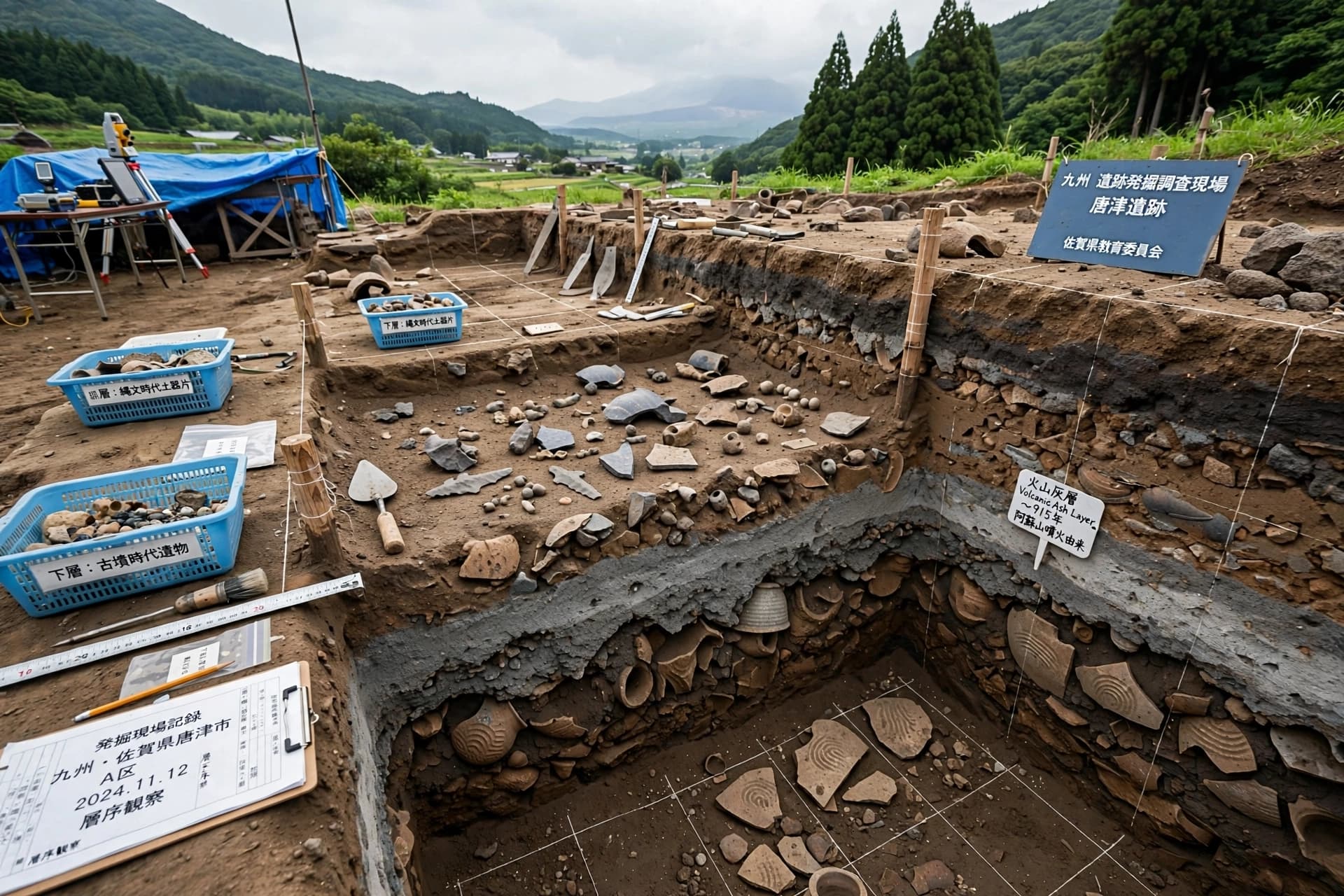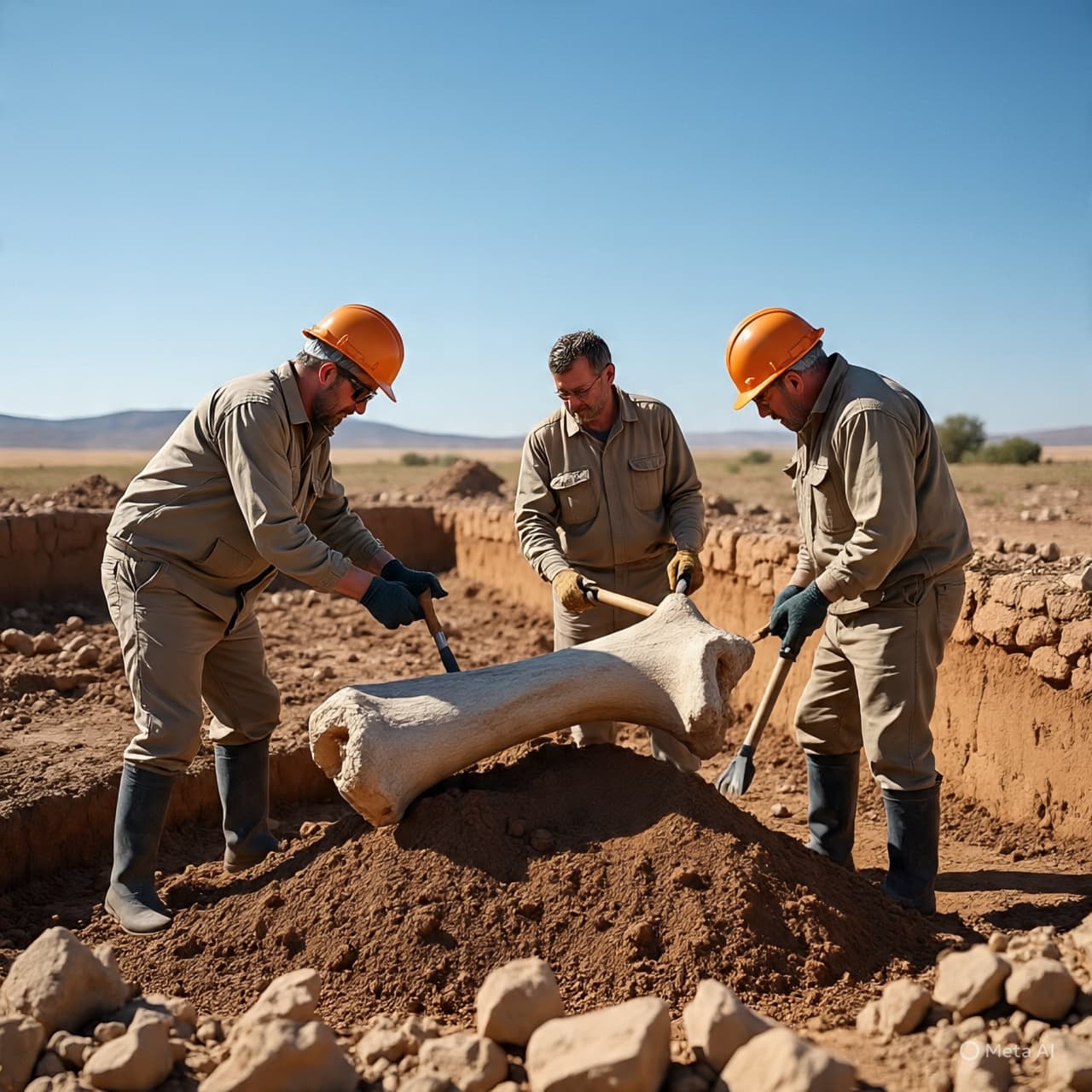
Beneath the sunlit soils of Spain, a fragment of the past has emerged—a single elephant bone, silent and immovable, yet resonating with stories of a long-vanished world. Archaeologists say it offers rare evidence of war elephants used during the Punic Wars, a reminder that history often whispers through the smallest traces of life that once thundered across battlefields.
The Punic Wars, fought more than two millennia ago between Rome and Carthage, are etched into the annals of strategy and conquest. Yet the presence of these massive beasts on European soil brings a humanizing element to those distant conflicts. War elephants were not only instruments of power but also creatures entwined in the logistics, fears, and marvels of ancient armies. Each bone recovered is a testament to the complexity of history, where warfare, nature, and culture intersect.
For modern observers, the discovery inspires reflection on how fleeting human conflicts can be against the enduring traces left by life itself. An elephant’s leg or tusk may endure long after soldiers, cities, and empires have faded, bridging the gap between past and present. It is a reminder that history is not only written in texts and stone but in the quiet testimony of bone, soil, and time.
As researchers carefully catalogue and study the find, the Spanish landscape becomes more than a backdrop for discovery; it is a repository of memory, where echoes of ancient thunders and the weight of living creatures linger beneath the earth. In this small, fossilized fragment, the distant roar of Punic campaigns resonates, inviting reflection on the scale, wonder, and fragility of human and animal endeavors alike.
AI Image Disclaimer
Visuals are AI-generated and serve as conceptual representations.
Sources
BBC News Reuters National Geographic The Guardian Live Science
Published by Banx Network. This article is part of the Banx decentralized media programme, powered by the BXE token on the XRP Ledger.