In democratic institutions, moments of silence can carry as much significance as spoken testimony. A witness's decision not to answer questions often reflects not only legal strategy but also the broader tensions surrounding public trust, accountability, and history. Such a moment unfolded in the U.S. Senate as one of the most recognizable public health figures of the COVID-19 era appeared before lawmakers amid renewed scrutiny of the pandemic's origins.
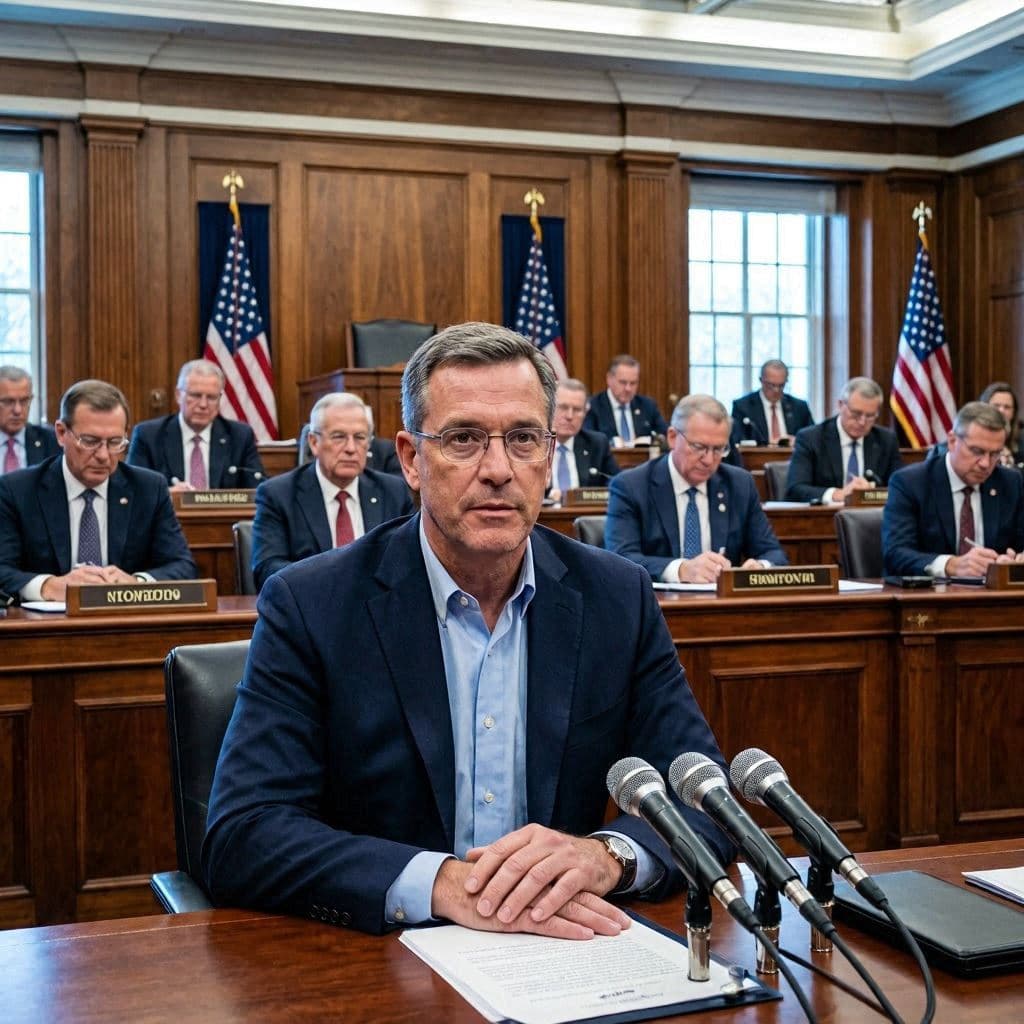
Former National Institute of Allergy and Infectious Diseases Director Dr. Anthony Fauci appeared before the Senate Homeland Security and Governmental Affairs Committee after being subpoenaed by Chairman Senator Rand Paul. Before questioning began, Fauci announced that, on the advice of his attorneys, he would invoke his Fifth Amendment right against self-incrimination and decline to answer questions posed during the hearing.
In his opening remarks, Fauci stated that he believed the hearing was designed to expose him to potential criminal prosecution rather than to gather legislative information. He argued that years of public accusations and repeated calls for his prosecution by Senator Paul had led him to conclude that remaining silent was the appropriate legal course. His attorneys had previously expressed similar concerns in correspondence with the committee.
Republican members of the committee maintained that the hearing formed part of Congress's oversight responsibilities concerning the federal response to the COVID-19 pandemic and ongoing questions surrounding the virus's origins. Senator Paul has long questioned Fauci's testimony regarding U.S.-funded research involving the Wuhan Institute of Virology and has argued that further examination remains necessary. No definitive scientific consensus has established whether COVID-19 originated through natural spillover or a laboratory-related incident.
Because Fauci declined to answer more than one hundred questions, the hearing concluded without extensive factual exchanges between the witness and committee members. Senator Paul subsequently indicated that he intended to pursue a Senate contempt referral, although any criminal contempt case would require additional procedural steps and action by the U.S. Department of Justice before prosecution could be considered.
Legal experts note that invoking the Fifth Amendment is a constitutional right available to witnesses who believe their testimony could expose them to criminal liability. Exercising that right is not, by itself, an admission of wrongdoing. Whether Congress ultimately pursues contempt proceedings, and whether any such referral advances further, will depend upon legal standards and future decisions by federal authorities.
The hearing also underscored how debates surrounding the pandemic continue to shape American political discourse years after the global emergency began. Questions regarding public health policy, scientific communication, research oversight, and governmental accountability remain subjects of active discussion among lawmakers, scientists, and the public.
As the hearing concluded, few of the longstanding disagreements surrounding COVID-19 had been resolved. Instead, the proceedings illustrated how legal protections, congressional oversight, and scientific debate continue to intersect, leaving many of the broader questions to future investigations, research, and public dialogue.
AI Image Disclaimer: The accompanying images are AI-generated illustrations inspired by verified public reporting and are intended for visual representation only.
Sources (Verified):
Reuters NBC News U.S. Senate Committee on Homeland Security and Governmental Affairs STAT News The Guardian
Published by Banx Network. This article is part of the Banx decentralized media programme, powered by the BXE token on the XRP Ledger.