In the vast expanse of Russian public life, silence has long been a survival strategy. Yet, beneath the surface of official narratives and state-controlled media, a quiet shift is occurring. Recent reports and subtle indicators suggest that patience with the ongoing war in Ukraine is wearing thin among segments of the Russian population. This growing fatigue is not manifesting in open rebellion, but in a gradual erosion of enthusiasm, marked by economic strain, social withdrawal, and a deepening sense of uncertainty about the future.
The initial wave of patriotic fervor that accompanied the invasion has given way to a more somber reality. As the conflict drags on, the human cost becomes increasingly visible in communities across the country. Families are grappling with the loss of loved ones, while others face the anxiety of mobilization orders. The war, once presented as a swift and necessary operation, has transformed into a protracted struggle that demands ever more resources and sacrifices from ordinary citizens.
Economic pressures are also playing a significant role in shaping public sentiment. Sanctions and isolation have led to inflation, supply chain disruptions, and a decline in living standards for many. While the government has managed to stabilize the macroeconomy through wartime spending, the microeconomic reality for households is often one of tightening belts and reduced opportunities. The promise of prosperity that underpins political stability is being tested by the harsh realities of a war economy.
Socially, there is a noticeable retreat from public engagement. Many Russians are avoiding discussions about politics, focusing instead on personal survival and family well-being. This apathy is not necessarily a sign of support for the war, but rather a coping mechanism in an environment where dissent is risky and information is controlled. The lack of open debate creates a vacuum where rumors and anxieties can flourish, further eroding trust in official channels.
Intellectuals and cultural figures, who once largely supported or remained silent on the conflict, are beginning to express subtle doubts. Some have left the country, while others use coded language in their work to critique the status quo. These voices, though marginalized, serve as barometers of changing attitudes within the educated elite. Their unease reflects a broader questioning of the war’s purpose and its long-term implications for Russian society.
The Kremlin remains aware of these shifting tides. Authorities continue to enforce strict censorship laws and punish dissent, aiming to maintain the appearance of unity. However, the need for such heavy-handed measures suggests that genuine consensus is fragile. The government is walking a tightrope, balancing the demands of the military-industrial complex with the growing discontent of the populace.
International observers note that while there is no immediate threat to the regime’s stability, the long-term sustainability of the war effort is questionable. A population that is tired, economically strained, and socially withdrawn may eventually become a liability rather than an asset. The resilience of the Russian state is being tested not just on the battlefield, but in the hearts and minds of its people.
As the war enters another year, the question is not whether Russians support the conflict, but how long they can endure it. The signs of impatience are subtle but persistent, like cracks in a frozen lake. They may not break the surface immediately, but they indicate that the ice is thinner than it appears. For now, silence remains, but it is a silence filled with unspoken questions.
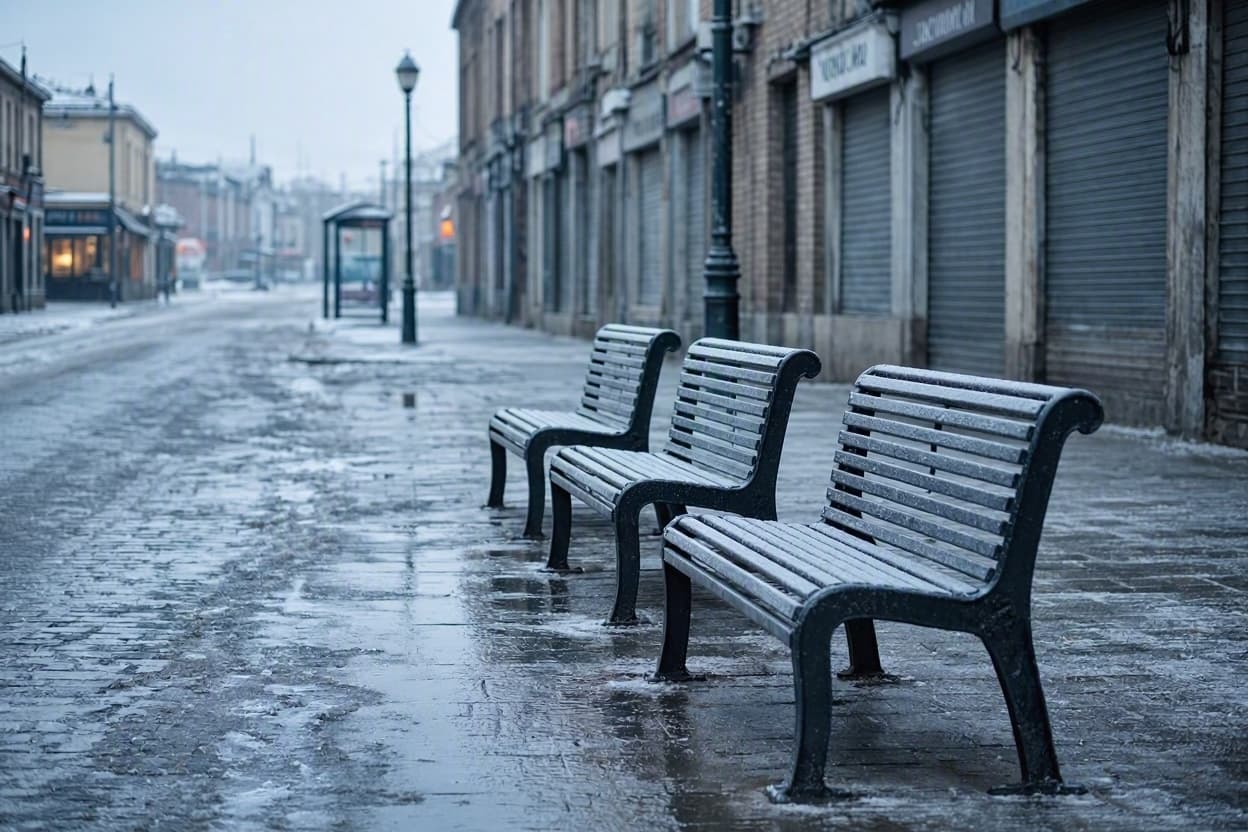
AI Image Disclaimer: The visual elements in this article are AI-generated illustrations depicting urban landscapes and abstract representations of social mood, designed to reflect the themes of public sentiment without showing real political figures or protest scenes.
Sources: Reuters, The Moscow Times (independent), BBC News
Published by Banx Network. This article is part of the Banx decentralized media programme, powered by the BXE token on the XRP Ledger.