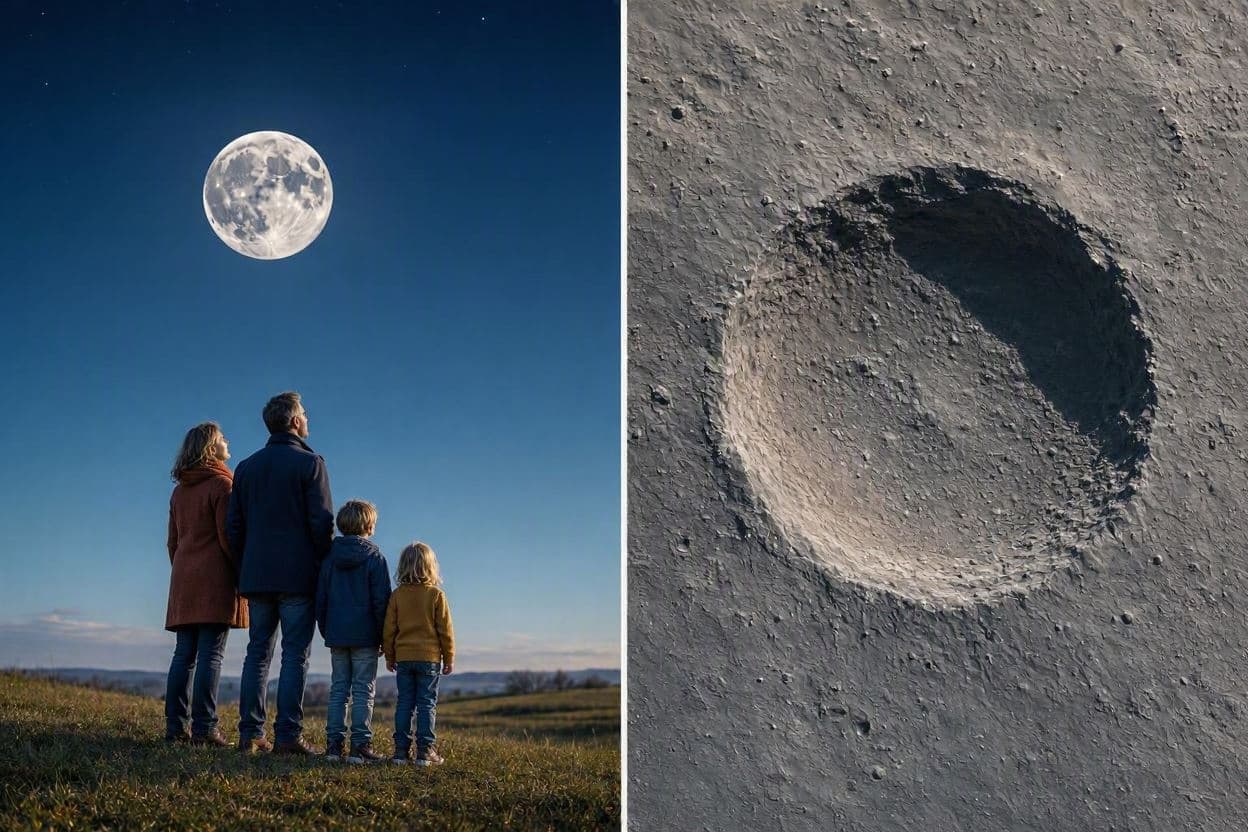
There are few celestial events as awe-inspiring as a total solar eclipse, where day turns to night and the sun’s corona reveals itself in a halo of ethereal light. On August 12, 2026, millions across Europe and parts of North America will have the chance to witness this cosmic dance. However, the beauty of the eclipse comes with a critical caveat: looking directly at the sun, even when partially covered, can cause permanent eye damage. Protecting your vision is not just a recommendation; it is a necessity for enjoying this rare spectacle safely.
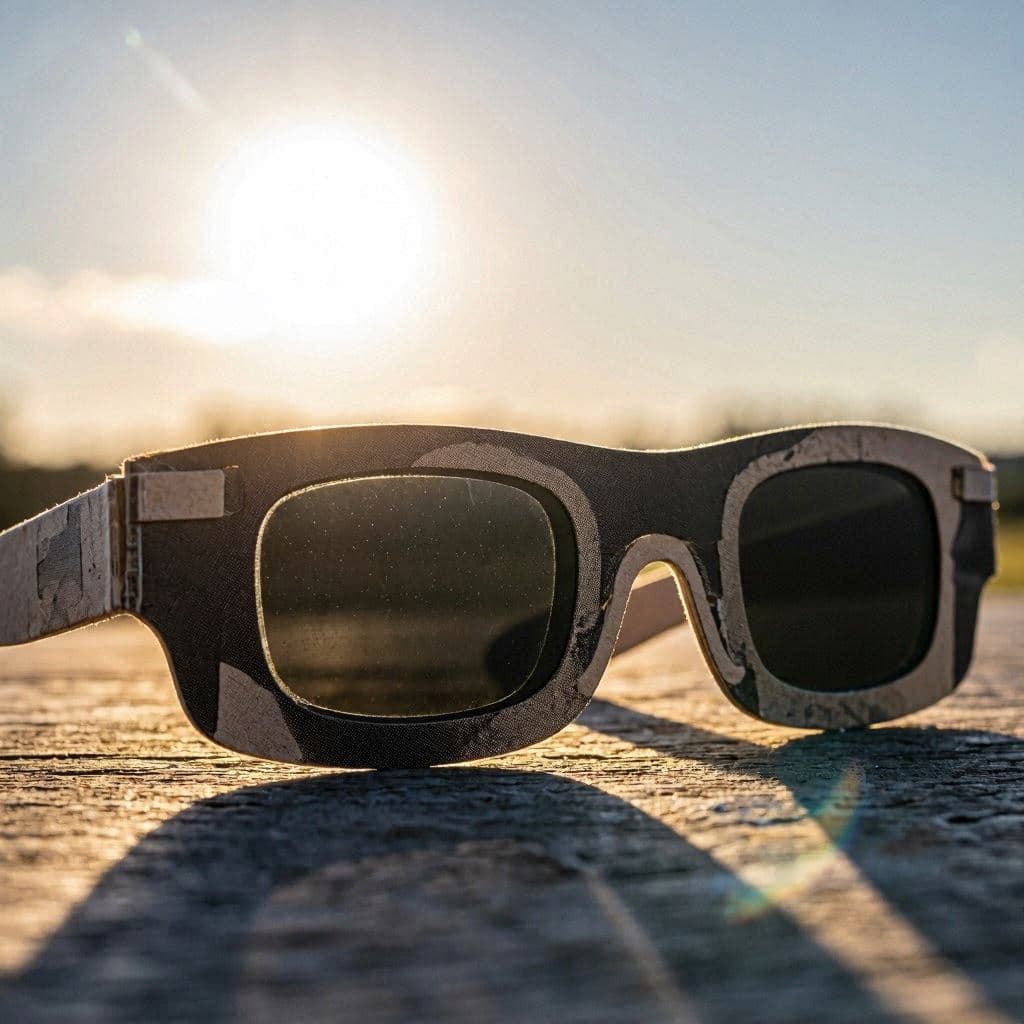
The primary rule of eclipse viewing is simple: never look directly at the sun without proper protection. Standard sunglasses, no matter how dark, are insufficient. Only ISO-certified solar viewers or eclipse glasses that block 99.99% of sunlight are safe for direct viewing. These specialized filters reduce the sun’s intensity to a level that is comfortable and safe for the eyes, allowing viewers to see the partial phases of the eclipse without risk.
During the brief period of totality, when the moon completely covers the sun’s bright face, it is safe to look with the naked eye. This moment, lasting only a few minutes depending on location, is the highlight of the event. However, as soon as the first sliver of sunlight reappears, viewers must immediately put their eclipse glasses back on. Timing is crucial, and many observers use timers or apps to track the phases accurately.
For those who prefer indirect methods, pinhole projectors offer a safe and engaging alternative. By projecting an image of the sun onto a surface, viewers can observe the eclipse’s progress without looking at the sun directly. This method is particularly suitable for children and groups, as it allows multiple people to view the event simultaneously. Simple materials like cardboard boxes or paper plates can be used to create effective projectors.
It is also important to avoid using optical devices such as cameras, telescopes, or binoculars without proper solar filters. Looking through these devices at the sun can concentrate its rays and cause instant, severe eye injury. Specialized solar filters must be attached to the front of any optical equipment to ensure safety. Manufacturers often provide specific guidelines for eclipse photography, which should be followed strictly.
Parents and educators play a key role in promoting safe viewing practices. Teaching children about the risks and demonstrating proper techniques can prevent accidents and foster a lifelong interest in astronomy. Schools and community centers often host organized viewing events, providing certified glasses and expert guidance. These gatherings not only ensure safety but also enhance the communal experience of the eclipse.
Weather conditions can also impact visibility, so checking local forecasts is essential. Cloud cover may obscure the view, but it does not reduce the danger of looking at the sun. Even on cloudy days, harmful UV rays can penetrate, so protective measures should remain in place. Patience and preparation are key to making the most of the event, regardless of the weather.
The August 2026 total solar eclipse promises to be a memorable event for many. By prioritizing eye safety and using proper viewing methods, everyone can enjoy this natural wonder without compromise. Let the darkness of totality be a moment of wonder, not regret.
AI Image Disclaimer: Please note that the images in this piece are AI-generated illustrations created to depict the themes of eclipse safety and astronomical observation.
Sources: NASA, American Astronomical Society, CNN, National Eclipse
Published by Banx Network. This article is part of the Banx decentralized media programme, powered by the BXE token on the XRP Ledger.