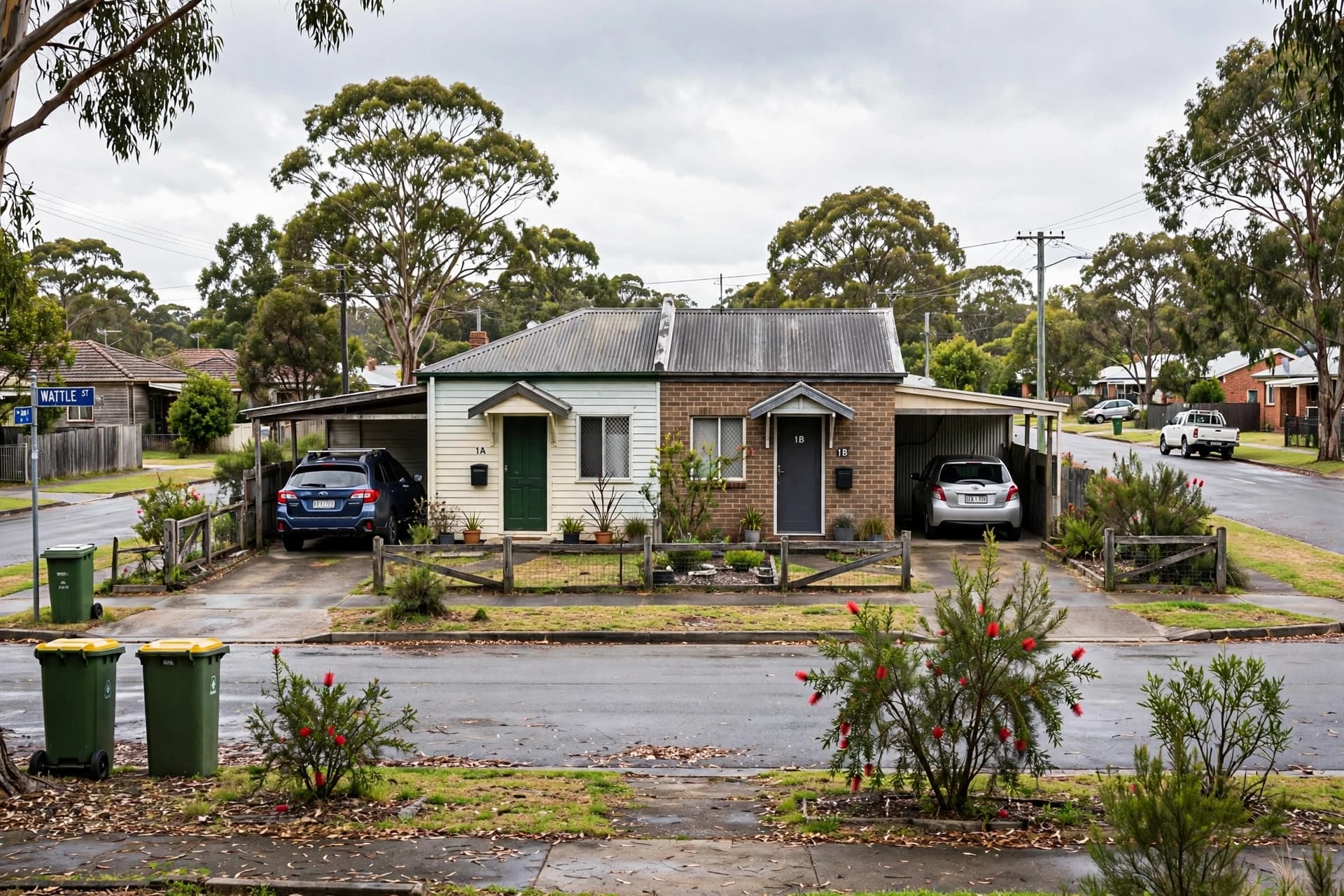
In the rhythm of everyday life across European cities, a silence has grown louder than any protest chant: the quiet but persistent strain of families paying ever‑higher rents and mortgage bills. This week, Barcelona’s mayor, Jaume Collboni, invoked a striking metaphor, likening Europe’s housing cost crisis to a “new pandemic” — not because of disease, but because of its pervasive harm to social cohesion and everyday well‑being.
Collboni’s warning reflects a mounting sense of urgency among urban leaders. Alongside mayors representing some 20 million citizens, he is calling for bold action from the European Union akin to the extraordinary funding deployed during the COVID‑19 pandemic. His message: housing affordability is no longer a localized issue — it’s a continent‑wide social emergency that demands coordinated policy and investment.
Over the past decade, housing costs across EU member states have risen sharply. House prices have surged around 48 % since 2010, and rents have climbed by about 22 %, according to EU data — trends that have outpaced wage growth for many households and pushed a growing share of income into housing costs. In some regions, the pressures are especially acute, with younger people, key workers, and middle‑income families finding it increasingly difficult to afford basic accommodation.
For many residents of Barcelona and other major European cities, the effects are visible on the ground. Rental supply has dwindled in several urban centers, while short‑term tourist rentals and investment purchases have siphoned housing away from long‑term residents. Local authorities have experimented with measures such as banning certain tourist flats, buying residential blocks to prevent evictions, and exploring restrictions on speculative property purchases — a sign of how deeply the issue has penetrated everyday life.
The analogy to a pandemic isn’t merely rhetorical. Like a public health crisis, the housing affordability crunch spreads quietly but relentlessly, deepening inequality, eroding community stability, and triggering displacement. National and EU‑level policymakers are under pressure to respond with financial instruments, planning reforms, increased social housing, and regulatory changes that reduce speculative pressure on housing markets. A European Housing Action Plan — promoted by city mayors and local leaders — outlines some of these strategies, calling for emergency financing and structural reforms to give cities more tools to build and maintain affordable, sustainable housing.
Critics of the comparison suggest that housing costs, while serious, differ from the immediate public health threat posed by infectious disease. Yet many analysts agree that long‑term affordability stress has deep societal impacts — straining families, dampening labor mobility, and challenging cities’ economic competitiveness if talent cannot afford to live where jobs are located.
For Collboni and his peers, the call is clear: without decisive investment and policy coordination at the EU level, the housing crisis could weaken faith in public institutions and widen social divides. Whether this crisis will prompt new political action on par with past emergencies remains to be seen; for millions of Europeans struggling with skyrocketing costs, the stakes could hardly be higher.
AI Image Disclaimer Visuals are AI‑generated illustrations and are not real photographs.
Sources (News): The Guardian News Service
• iAsk Canada (Reuters syndication)
• Spain Airbnb news (context on housing pressures)
Published by Banx Network. This article is part of the Banx decentralized media programme, powered by the BXE token on the XRP Ledger.